Hip Bursitis Symptoms: Causes, Treatment, and When to See a Doctor
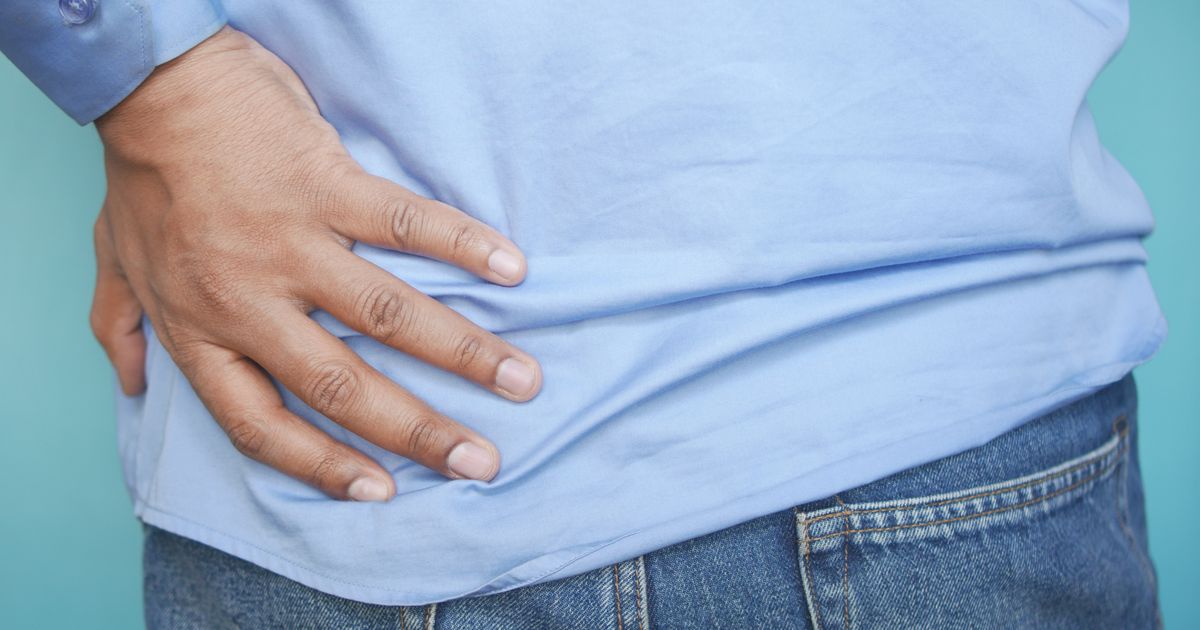
Hip bursitis symptoms usually show up as a sharp, nagging pain on the outer point of the hip — the kind that makes it hard to lie on that side at night, climb stairs, or get up from a low chair without wincing. It’s one of the most common causes of hip pain after 50, and the good news is that it’s rarely serious and usually responds well to simple, non-surgical treatment once you know what you’re dealing with. Here’s how to recognize hip bursitis, what causes it, and what actually helps.
Quick answer: Hip bursitis (trochanteric bursitis) causes pain on the outer side of the hip that can spread down the outer thigh. It’s typically worse at night, when lying on the affected side, when standing up from sitting, and after walking, climbing stairs, or squatting. It’s caused by inflammation of a small fluid-filled cushion (bursa) near the hip bone, usually from overuse, a fall or bump, muscle imbalance, or conditions like rheumatoid arthritis. Most cases improve with activity changes, over-the-counter NSAIDs, physical therapy, and sometimes a corticosteroid injection — surgery is rarely needed.
What Is Hip Bursitis?
A bursa is a small, flattened, fluid-filled sac that sits between bones and the soft tissue — muscles, tendons, and skin — that moves over them, cushioning friction so things glide smoothly. The hip has several bursae, but the one that causes the classic “outer hip pain” is located over the greater trochanter, the bony bump you can feel on the outside of your hip. According to the American Academy of Orthopaedic Surgeons (AAOS), when this bursa becomes inflamed — a condition called trochanteric bursitis, or more broadly greater trochanteric pain syndrome — it causes pain right at that bony point that can radiate down the outside of the thigh. It can affect anyone, but the AAOS notes it’s more common in women and in middle-aged or older adults, and less common in younger people and in men.
Hip Bursitis Symptoms: What to Look For
The hallmark symptom is pain centered directly over the bony point on the outside of your hip. A few patterns tend to show up consistently:
- Location: Sharp, localized pain at the outer hip that can spread down the outside of the thigh, sometimes as far as the knee.
- Timing: Early on, the pain is often sharp and intense; over time, it tends to become a more widespread, dull ache.
- Worse at night: Pain that flares up when you lie on the affected side is one of the most distinctive features — many people end up avoiding that side entirely when sleeping.
- Worse with movement: Standing up from a chair, walking for a while, climbing stairs, or squatting typically makes the pain worse.
- Tenderness to touch: Pressing directly on the outer hip bone is usually tender, which is part of how a doctor confirms the diagnosis on exam.
This pattern — pain on the outside of the hip, worse at night and with activity — is what sets bursitis apart from other common hip problems, which is worth understanding since the treatment approach differs (more on that below).
What Causes Hip Bursitis?
Per the AAOS, hip bursitis has several common causes and risk factors, and it’s common for more than one to be involved at once:
- Repetitive overuse: Running, climbing stairs, cycling, or standing for long stretches can irritate the bursa over time.
- Injury: A fall onto the hip, a direct bump, or even lying on one side for a prolonged period can trigger inflammation.
- Gait and alignment issues: Spine problems like scoliosis or lower-back arthritis can change the way you walk, putting uneven stress on the hip.
- A tight IT band: The iliotibial band, a thick band of tissue running down the outside of the thigh, can rub against and irritate the bursa if it’s unusually tight.
- Leg-length difference: Even a small difference in leg length can change hip mechanics enough to contribute to bursitis.
- Rheumatoid arthritis: This inflammatory condition increases the risk of bursitis, including in the hip.
- Previous hip surgery or implants: Scar tissue or changes to the joint from past surgery, including hip replacement, can make bursitis more likely.
- Bone spurs or calcium deposits: Small calcium deposits in the tendons near the greater trochanter can also play a role.
How Hip Bursitis Is Diagnosed
In most cases, a doctor can diagnose hip bursitis from your description of the pain plus a physical exam, pressing on the outer hip to check for the characteristic tenderness. Imaging isn’t always necessary, but X-rays, an MRI, or a bone scan may be used if the diagnosis isn’t clear or to rule out other causes of hip pain, such as a stress fracture, hip osteoarthritis, or a labral tear. If your pain doesn’t fit the classic pattern — for example, if it’s centered in the groin rather than the outer hip — it’s worth mentioning that specifically, since it may point toward a different diagnosis entirely.
Hip Bursitis vs. Hip Osteoarthritis: How to Tell the Difference
These two conditions are often confused because they both cause hip pain in the same general area, but the location and pattern are usually different. Hip osteoarthritis typically causes deep, aching pain in the groin or front of the hip that worsens with weight-bearing and may come with stiffness, especially in the morning. Hip bursitis, by contrast, causes pain specifically over the bony point on the outside of the hip, and is more tied to lying on that side or direct pressure. It’s possible to have both at once, since osteoarthritis and altered gait from hip joint changes can themselves contribute to bursitis. If you’re not sure which pattern fits, that’s exactly the kind of detail worth bringing to a doctor’s appointment rather than guessing.

Treatment: What Actually Helps
The AAOS outlines a clear first-line, non-surgical approach that resolves most cases of hip bursitis:
- Activity modification: Temporarily cutting back on the activities that aggravate the pain — prolonged standing, stair climbing, or lying directly on the affected side — gives the bursa a chance to calm down.
- NSAIDs: Over-the-counter anti-inflammatories like ibuprofen or naproxen can ease pain and inflammation, though the AAOS recommends using them cautiously and for limited periods, especially for older adults who may be more sensitive to their stomach, kidney, or cardiovascular effects. See our guides to naproxen side effects and ibuprofen side effects for what to watch for.
- A cane or crutches: Temporarily using a walking aid on the opposite side can take pressure off the inflamed bursa while it heals.
- Physical therapy: A physical therapist can guide IT band stretching, hip and core strengthening, and gait correction — often the most important long-term fix, since it addresses the underlying mechanics rather than just the symptom.
- Corticosteroid injection: A steroid injection directly into the bursa can provide meaningful, sometimes lasting, relief when activity changes and NSAIDs aren’t enough. The AAOS notes these should be used sparingly, since repeated injections can damage the surrounding tissue over time.
Surgery is rarely needed for hip bursitis. If symptoms persist despite months of non-surgical treatment, a doctor may discuss removing the bursa, either through an open incision or endoscopically through a small incision — both are typically outpatient procedures, and the hip works normally afterward without it.
How Long Does Hip Bursitis Take to Improve?
Most people notice meaningful improvement within a few weeks of consistent activity modification, NSAID use (if appropriate), and stretching or physical therapy. Chronic or recurring cases, especially those tied to an underlying gait issue or leg-length difference, can take longer and may benefit more from a formal physical therapy program that addresses the root mechanical cause rather than just calming the current flare-up.
Exercises to Avoid During a Flare-Up
While physical therapy is a key part of recovery, not every exercise helps during an active flare. Movements that put direct, repeated pressure on the outer hip tend to make things worse in the short term, including lying directly on the affected side for stretching, deep lunges, wide-leg squats, and exercises that involve crossing one leg tightly over the other (like a seated figure-four stretch pushed too far). It’s also worth easing off high-impact cardio — running, step aerobics, or long hikes on uneven ground — until the acute pain settles. This doesn’t mean staying completely still: gentle range-of-motion movement, walking at a comfortable pace, and the specific stretches a physical therapist recommends are usually still fine, and often helpful, even during a flare. The distinction is between gentle, guided movement and the kind of repetitive loading or direct pressure that aggravates the bursa further.
Preventing Hip Bursitis From Coming Back
Because hip bursitis is so often tied to repetitive stress or muscle imbalance, prevention focuses on the same things that help treat it: avoiding repetitive strain on the hips where possible, maintaining a healthy weight to reduce joint load, using a proper shoe insert if you have a known leg-length difference, and keeping the muscles around the hip — especially the glutes and core — strong and flexible through regular, low-impact exercise. If balance or stability is also a concern, pairing hip-strengthening work with general balance training can help on both fronts.
When to See a Doctor
Most hip bursitis isn’t an emergency, but it’s worth getting evaluated rather than just pushing through outer-hip pain that doesn’t improve within a couple of weeks of rest and basic care. See a doctor promptly if the hip is red, warm, or swollen along with the pain (which can signal an infected bursa and needs prompt treatment), if you have a fever alongside hip pain, if the pain follows a fall or injury, or if the pain is severe enough to affect walking. A doctor can also help sort out whether what you’re feeling is bursitis, osteoarthritis, or something else entirely, which matters for picking the right treatment.
Frequently Asked Questions
Can hip bursitis go away on its own?
Mild cases sometimes improve with rest and activity modification alone, but most people get faster, more complete relief by combining rest with NSAIDs (if appropriate) and physical therapy. Without addressing the underlying cause — like a tight IT band or an altered gait — bursitis can also come back even after it initially settles down.
Is walking bad for hip bursitis?
Walking itself isn’t harmful, but prolonged walking, especially at a brisk pace or on hard surfaces, can aggravate symptoms during a flare-up. Shorter, gentler walks are usually fine and even helpful for circulation and mobility; it’s prolonged or high-impact activity that tends to need temporary modification.
What’s the best sleeping position for hip bursitis?
Sleeping on the unaffected side with a pillow between the knees is usually the most comfortable option, since it keeps the inflamed bursa off the mattress. Some people also find relief sleeping on their back with a pillow under the knees.
How long do corticosteroid injections for hip bursitis last?
Relief varies by person, but many people get weeks to several months of significant improvement from a single injection. Because repeated injections can weaken the surrounding tendon and tissue over time, doctors generally limit how often they’re given.
Can hip bursitis be mistaken for sciatica?
Yes — both can cause pain radiating down the outside of the leg, which is part of why a proper exam matters. Sciatica typically involves nerve-related symptoms like numbness, tingling, or shooting pain following a specific nerve pathway, while bursitis pain is more localized to the outer hip and worsens with direct pressure or lying on that side.
This article is for general educational purposes and isn’t a substitute for personalized medical advice. Always follow your doctor’s specific guidance about diagnosis, treatment, and any symptoms that concern you.
Hip bursitis is uncomfortable, but it’s also one of the more straightforward hip problems to treat once it’s correctly identified: the combination of activity changes, NSAIDs when appropriate, physical therapy, and an occasional corticosteroid injection resolves the large majority of cases without surgery. The outer-hip location and the nighttime, lying-on-that-side pattern are the two biggest clues that what you’re dealing with is bursitis rather than arthritis or a nerve issue — and getting that distinction right is the first step toward the treatment that will actually help.
Related Reading
Hip pain from a different cause? See hip flexor tightness after 50 for how to tell them apart.
Using NSAIDs for the pain? See naproxen side effects for what to watch for.
Prefer ibuprofen instead? See ibuprofen side effects for what’s common and what’s rare.
Worried about falls while your hip heals? See our balance exercises for seniors.
Dealing with stiffness beyond just the hip? See what helps joint stiffness after 50.
Polymyalgia Rheumatica Symptoms: Causes, Diagnosis, and Treatment
Dealing with hip pain that might call for this treatment? See Cortisone Shot Side Effects.