Naproxen Side Effects: What to Know
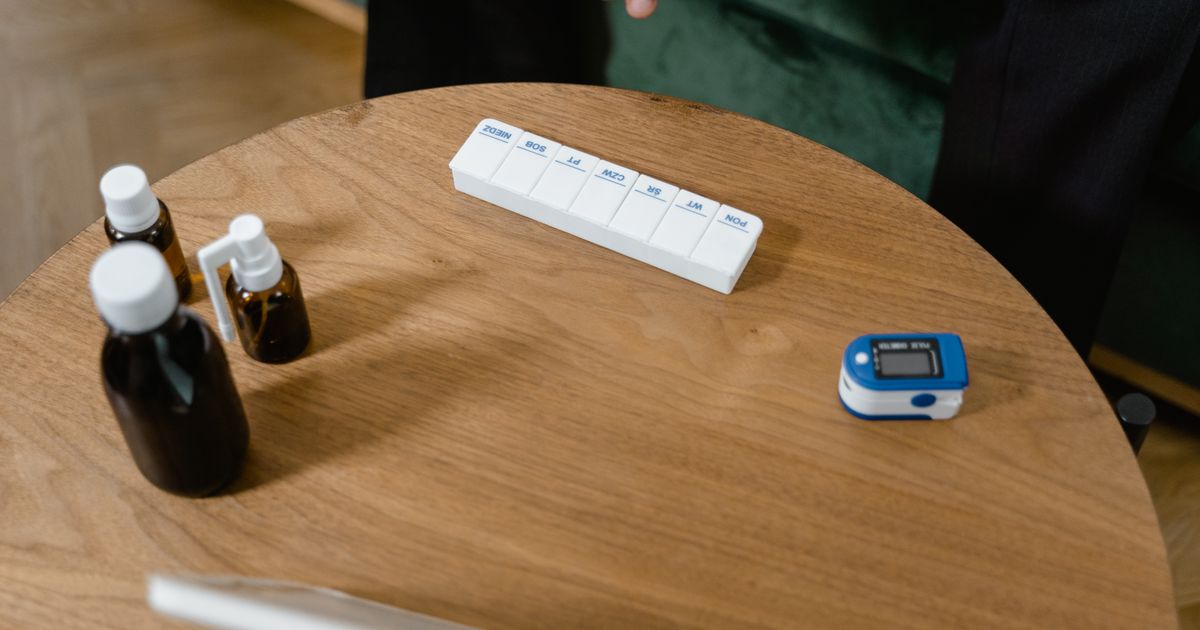
Whether it’s a bottle of over-the-counter Aleve or a prescription-strength dose from a doctor, understanding real naproxen side effects matters more than most people realize, especially past 50. Naproxen is one of the most widely used pain relievers for joint pain, arthritis, and muscle strains, and for many people it works well with few problems. But it also carries genuine risks — to the stomach, the heart, and the kidneys — that become more important the longer it’s used and the older the person taking it. This guide covers what’s common, what’s serious, how naproxen compares to other options, and exactly when a symptom is worth a call to your doctor.
Quick answer: Naproxen’s most common side effects are headache, heartburn or indigestion, nausea, and mild dizziness, each affecting a meaningful share of people who take it. The two risks that matter most are gastrointestinal bleeding — naproxen can cause ulcers, bleeding, or even a hole in the stomach or intestine, especially with long-term use — and a small but real increase in heart attack and stroke risk shared by the entire NSAID drug class. Older adults face higher risk on both counts, which is why current geriatric prescribing guidance (the American Geriatrics Society’s Beers Criteria) lists oral NSAIDs like naproxen among medications to use cautiously or avoid for regular, ongoing pain in this age group. Bloody or black stools, chest pain, sudden weakness on one side, or swelling with reduced urination are all reasons to seek medical attention right away.
Dealing with shoulder stiffness specifically? See our guide to frozen shoulder symptoms and what helps at each stage.
What Is Naproxen and Why Is It Prescribed?
Naproxen is a nonsteroidal anti-inflammatory drug (NSAID), available over the counter under brand names like Aleve and in prescription strength for more significant pain. It’s commonly used for osteoarthritis and rheumatoid arthritis pain, tendinitis, bursitis, gout flares, muscle aches, menstrual cramps, and general aches from conditions like sciatica. Compared to acetaminophen (Tylenol), which relieves pain but doesn’t meaningfully reduce inflammation, naproxen does both — which is part of why it’s often reached for specifically for joint and muscle conditions where swelling is part of the problem, not just the pain.
How Naproxen Works
Naproxen works by blocking enzymes called COX-1 and COX-2, which the body uses to produce prostaglandins — chemical messengers involved in inflammation, pain signaling, and fever. Reducing prostaglandin production is what relieves pain and swelling, but those same prostaglandins also protect the stomach lining and support normal kidney blood flow, which is exactly why naproxen’s side-effect profile centers so heavily on the stomach and kidneys rather than being random or unrelated to how it works. Naproxen is longer-acting than some other NSAIDs like ibuprofen, meaning fewer doses are typically needed across a day, but this longer duration of action is also part of why its cardiovascular and GI risks are taken seriously at higher doses or with regular, ongoing use.
Common Side Effects
The most frequently reported naproxen side effects include headache (reported by roughly 15% of people in some clinical data), dyspepsia or indigestion (around 14%), and a flu-like feeling of general malaise (around 10%). Additional common effects, generally affecting a smaller share of people, include heartburn, nausea, constipation, diarrhea, abdominal pain, drowsiness, dizziness, and mild rash. These effects are usually manageable and often improve when naproxen is taken with food, though persistent or worsening symptoms are worth discussing with a doctor rather than pushing through indefinitely.
The GI Bleeding Risk: What You Need to Know
Naproxen and other NSAIDs can cause ulcers, bleeding, or perforation (a hole) in the stomach or intestine, and according to NIH MedlinePlus, this risk is higher with long-term use, higher doses, advanced age, poor overall health, smoking, and significant alcohol use. What makes this risk particularly tricky is that serious GI bleeding can develop without obvious warning signs beforehand — someone can feel fine and then suddenly have a bleeding ulcer, which is part of why the warning signs below are worth memorizing rather than waiting for milder symptoms to appear first. Black or bloody stools, vomiting blood or material that looks like coffee grounds, and unexplained fatigue or paleness that could indicate blood loss are all reasons to seek care right away, not to wait and see if it passes.
The Cardiovascular Risk (Black Box Warning)
NSAIDs, including naproxen, carry an FDA black box warning — the agency’s strongest warning label — for an increased risk of serious cardiovascular events, including heart attack and stroke, which can be fatal. This risk can appear as early as the first weeks of use and tends to increase with higher doses and longer duration of use, and it’s higher still for people with existing heart disease or cardiovascular risk factors. This doesn’t mean naproxen is unsafe for everyone who takes it occasionally at a normal dose, but it’s a meaningfully different risk profile than many people assume for a medication that’s also sold over the counter in any pharmacy aisle, and it’s worth an honest conversation with a doctor if regular, ongoing use is being considered rather than occasional use for a specific flare-up.
Kidney Effects and Who’s at Higher Risk
Because naproxen reduces prostaglandins that normally help maintain healthy blood flow to the kidneys, it can decrease kidney function, particularly with regular use, dehydration, or in people who already have reduced kidney function — a group that includes a meaningful share of older adults, since kidney function naturally declines somewhat with age. Warning signs of a kidney-related problem include a noticeable decrease in urination, cloudy or bloody urine, and swelling in the face, hands, ankles, or feet. Staying well hydrated, avoiding naproxen during illness with vomiting or diarrhea (when dehydration risk is higher), and having kidney function checked periodically during long-term use are all reasonable precautions, especially for anyone taking other medications that also affect the kidneys, like certain blood pressure drugs.
Why Older Adults Face Higher Risk
Oral NSAIDs like naproxen remain on the American Geriatrics Society’s Beers Criteria — a widely used clinical guide to medications that carry extra risk in older adults — specifically for chronic, regular use, due to the combined GI bleeding, cardiovascular, and kidney risks discussed above. Research has estimated that NSAIDs contribute to tens of thousands of hospitalizations among older adults in the U.S. each year, largely from GI bleeding complications, which is a meaningfully higher stake than the “just an over-the-counter pain reliever” framing many people carry into a naproxen purchase. None of this means naproxen has no place in an older adult’s medicine cabinet — for many people, it’s still an appropriate, effective choice for occasional or short-term use — but it’s exactly why doctors often steer toward the lowest effective dose for the shortest reasonable duration in this age group, rather than a standing daily regimen taken indefinitely without reassessment.
Naproxen Compared to Other Pain Relievers
Acetaminophen (Tylenol) doesn’t carry the same GI bleeding, cardiovascular, or kidney risks as naproxen, which is part of why it’s often suggested as a first option for older adults with mild-to-moderate pain that doesn’t involve significant inflammation, though it carries its own liver-related dosing limits worth knowing. Ibuprofen, a shorter-acting NSAID, shares naproxen’s general risk profile but at a shorter duration of action per dose, meaning more frequent dosing but potentially less prolonged exposure per dose. Topical NSAIDs, like diclofenac gel applied directly to a painful joint, deliver much less of the drug into the bloodstream than an oral pill, which can make them a meaningfully lower-risk option for localized joint pain like knee or hand arthritis, worth asking a doctor about specifically for that kind of pain. None of these alternatives is automatically “better” for every situation — the right choice depends on the type of pain, other health conditions, and other medications being taken — but knowing the options exist is what makes an informed conversation with a doctor possible.
Drug Interactions to Know
Naproxen can interact meaningfully with blood thinners like warfarin (increasing bleeding risk), with blood pressure medications (naproxen can blunt their effectiveness and interfere with blood pressure control), and with other NSAIDs or daily aspirin (increasing GI bleeding and cardiovascular risk without adding meaningful extra pain relief). It can also interact with certain diuretics and with lithium. A complete, current medication and supplement list reviewed with a doctor or pharmacist before starting regular naproxen use is the most reliable way to catch these interactions, particularly for anyone managing blood pressure, a heart condition, or taking a blood thinner.
Tips to Reduce Side Effects
Taking naproxen with food or milk meaningfully reduces stomach irritation for many people, and using the lowest effective dose for the shortest reasonable duration is the single most consistent piece of advice across GI, cardiovascular, and kidney risk. Staying well hydrated, avoiding regular alcohol use while taking it, and never combining it with another NSAID or daily aspirin without a doctor’s specific guidance all reduce risk meaningfully. For anyone using naproxen regularly for a chronic condition like arthritis, periodic check-ins with a doctor about whether it’s still the right choice — rather than an indefinite, unreviewed habit — is a genuinely useful practice rather than excess caution.
When to Call Your Doctor
Occasional mild heartburn or a headache in the first days of use often doesn’t need an urgent call, though it’s worth mentioning at a routine visit if it persists. Several situations do call for prompt or emergency attention: black, tarry, or bloody stools, or vomit that looks like blood or coffee grounds; chest pain, shortness of breath, sudden weakness or numbness on one side of the body, or slurred speech, which can signal a heart attack or stroke; swelling of the face, hands, or legs with a noticeable drop in urination; and any signs of a severe allergic reaction, including facial swelling or difficulty breathing. Persistent stomach pain, unusual fatigue, or yellowing of the skin or eyes are also worth reporting promptly.
Frequently Asked Questions
Is it safe to take naproxen every day for arthritis pain?
Daily, long-term naproxen use carries meaningfully higher GI, cardiovascular, and kidney risk than occasional use, which is why the Beers Criteria flags regular NSAID use as a caution specifically for older adults. It’s worth a direct conversation with your doctor about whether daily use is the right approach for your specific situation, and whether periodic breaks or a lower dose make sense.
Can I take naproxen with ibuprofen for stronger pain relief?
No — combining two NSAIDs doesn’t meaningfully improve pain relief but does meaningfully increase the risk of stomach bleeding and other side effects. If naproxen alone isn’t providing enough relief, that’s worth discussing with a doctor rather than adding a second NSAID on your own.
What’s the difference between naproxen and ibuprofen?
Both are NSAIDs with a similar overall risk profile, but naproxen is longer-acting, meaning fewer doses are usually needed across a day, while ibuprofen works faster but wears off sooner. Neither is automatically safer than the other for most people; the right choice often comes down to dosing convenience and how an individual tolerates each one.
Can I take naproxen if I’m on blood pressure medication?
It’s possible, but naproxen can blunt the effectiveness of several blood pressure medications and should be used cautiously and reviewed with a doctor, especially for regular or ongoing use rather than a single occasional dose.
How do I know if naproxen is causing a stomach ulcer?
Warning signs include persistent stomach pain, black or bloody stools, and vomiting blood or material resembling coffee grounds. An ulcer can also develop with few or no warning symptoms beforehand, which is part of why any of these signs warrant prompt medical attention rather than a wait-and-see approach.
This article is for general educational purposes and isn’t a substitute for personalized medical advice. Always follow your doctor’s specific guidance about dosing and duration, especially for regular or long-term use.
Naproxen remains a genuinely effective option for many kinds of joint and muscle pain, and for most people, occasional or short-term use is straightforward and low-risk. Understanding the GI, cardiovascular, and kidney risks clearly — and why they carry extra weight for regular use after 50 — is what makes it possible to use naproxen well rather than by habit alone.
Related Reading
Dealing with outer-hip pain? See Hip Bursitis Symptoms: Causes, Treatment, and When to See a Doctor.
Sudden, severe joint pain instead? See gout symptoms in feet.
Polymyalgia Rheumatica Symptoms: Causes, Diagnosis, and Treatment
Prescribed allopurinol instead? See Allopurinol Side Effects.
Taking naproxen for knee pain? See Meniscus Tear: Symptoms, Treatment, and Recovery.