Phytomem One Reviews: Does This 10-in-1 Brain Supplement Actually Work?
Phytomem One Reviews: Does This 10-in-1 Brain Supplement Actually Work?
If you’ve been searching for a Phytomem One review that isn’t just a rehash of the sales page, you’re in the right place. We dug into the ingredient list, checked the research behind the headline claims, read the fine print on pricing and refunds, and weighed the whole thing against what a skeptical buyer actually wants to know: does this brain supplement work, and is it worth your money?
Phytomem One is a nootropic supplement built around a “dual-defense” idea — it targets what the manufacturer calls the “Plastic Stranglehold” (microplastic accumulation in brain tissue) and “Type 3 Diabetes” (brain insulin resistance) with a 10-ingredient formula of saffron extract, fucoxanthin, fucoidan, olive leaf extract, berberine, Ceylon cinnamon, banaba leaf, kudzu flower extract, Morosil, and xylitol. Below, we break down exactly what’s in it, what the evidence says, what it costs, and who it is (and isn’t) a good fit for.
Quick verdict: Phytomem One earns points for full ingredient transparency, a genuinely interesting (if early-stage) scientific angle connecting brain metabolism and microplastics, and a real 60-day refund window. It loses points for marketing language that outruns the clinical evidence and pricing “savings” math that doesn’t always add up. If you want a stimulant-free, non-GMO nootropic and you buy the multi-bottle bundle so the guarantee period is meaningful, it’s a reasonable, low-risk try — just go in with realistic expectations rather than the dramatic before/after story the sales video tells.
What Is Phytomem One?
Phytomem One is a daily tablet supplement marketed under the “Memory | Focus | Clarity” positioning, sold exclusively through its official site and fulfilled by ClickBank. The manufacturer’s core pitch is that ordinary memory decline isn’t just “getting older” — it’s driven by two overlapping, modern problems: microplastic buildup in neural tissue and a breakdown in how brain cells process glucose (referred to on the sales page as “Type 3 Diabetes,” a term some researchers use informally to describe brain insulin resistance, not a diagnosis your doctor will give you).
The formula is split into three named “systems,” which is really just a way of grouping the 10 active ingredients by intended mechanism:
- Stranglehold Defense Matrix: Saffron extract (Crocus sativus), Fucoxanthin (Japanese sea kelp), Fucoidan (Japanese sea kelp), and Oleuropein (olive leaf extract) — aimed at neuroinflammation and oxidative stress.
- Brain Fuel Restoration Complex: Berberine HCl, Ceylon cinnamon bark, Corosolic acid (banaba leaf), and Kudzu flower extract — aimed at glucose uptake and insulin sensitivity in brain tissue.
- Neural Amplifier System: Morosil (Sicilian red orange extract) and Xylitol — positioned as the “hero” bioavailability booster plus a blood-sugar-friendly filler.
Every ingredient is individually named and dosed rather than buried in a proprietary blend, which is worth noting up front — a lot of competing nootropics hide their actual dosing, and Phytomem One doesn’t.
Does Phytomem One Work? What the Evidence Actually Shows
This is the question everyone searching for a Phytomem One review actually wants answered, so let’s be direct about it: there is no published human clinical trial on the finished Phytomem One formula itself. That’s true of the overwhelming majority of over-the-counter nootropic supplements, not just this one, but it’s worth stating plainly rather than letting the sales copy imply otherwise.
What does exist is a mix of preliminary and moderately well-supported research on several of the individual ingredients:
- Saffron extract has several small human trials (mostly in mild cognitive impairment and mood contexts) showing modest benefits, and saffron’s antioxidant compounds (crocin, safranal) have documented neuroprotective activity in lab studies.
- Fucoxanthin is a carotenoid from brown seaweed studied mostly in metabolic and weight-management research, with newer animal studies looking at neural regeneration markers — promising, but the human cognitive data is thin.
- Berberine has a genuinely large body of research behind it for blood sugar and metabolic markers (its AMPK-activating mechanism is well documented), which lends some legitimacy to the “brain fuel” framing, even though most of that research is about the body generally, not brain tissue specifically.
- Ceylon cinnamon has supporting research on insulin receptor sensitivity, generally in the context of blood sugar management rather than cognition.
- Morosil (Sicilian red orange extract) has some published research on metabolic markers like waist circumference and inflammatory markers, primarily from the ingredient’s patent holder and affiliated researchers — useful context when weighing how independent that evidence is.
The honest takeaway: several ingredients have real research behind their individual mechanisms, particularly around inflammation and glucose metabolism. But the specific claim that this combination reverses “the Plastic Stranglehold” or measurably improves memory in the way the marketing video implies is not something an independent clinical trial has verified. Microplastics in brain tissue is a real and active area of research as of 2025-2026, but the science connecting dietary supplements to reversing that accumulation is still in its early stages — treat the framing as a scientifically-inspired marketing narrative, not an established medical fact.
Phytomem One Ingredients: Full Breakdown
| Ingredient | Purpose (per manufacturer) |
|---|---|
| Saffron Extract (Crocus sativus) | Neuroinflammation, neuron protection |
| Fucoxanthin (sea kelp) | Neural connection growth |
| Fucoidan (sea kelp) | Clears protein buildup, reduces oxidative stress |
| Oleuropein (olive leaf) | Blood sugar stability |
| Berberine HCl | Activates AMPK, glucose uptake |
| Ceylon Cinnamon Bark | Insulin receptor sensitivity |
| Corosolic Acid (banaba leaf) | Activates glucose transporters |
| Kudzu Flower Extract | Glucose uptake in brain tissue |
| Morosil (Sicilian red orange) | Bioavailability, inflammatory markers |
| Xylitol | Low-glycemic filler/sweetener |
The manufacturer states the product is manufactured in a facility following USDA National Organic Program handling standards, and that it’s non-GMO and stimulant-free. As with any supplement, if you’re on medication (particularly for diabetes or blood sugar management, given how many of these ingredients affect glucose metabolism) or have a medical condition, talk to your doctor before starting — berberine in particular can interact with certain medications.
How to Take Phytomem One
The official site instructs taking the tablets daily with water, ideally with a meal, for consistent results. As with most supplements built around cumulative, daily-use ingredients rather than a fast-acting stimulant, the manufacturer emphasizes that results build over time with regular use rather than appearing after a single dose. There’s no loading phase or complicated dosing schedule described — it’s positioned as a straightforward once-daily addition to your routine, which is one less thing to get wrong compared to supplements with multi-step protocols.
A few practical tips that apply to this category of supplement generally: take it at the same time each day so it’s easier to stay consistent, pair it with a meal if you have a sensitive stomach (particularly relevant here given several ingredients like berberine and cinnamon can cause mild digestive upset on an empty stomach for some people), and give it the full 6-8 weeks the guarantee window allows before deciding whether it’s working for you, rather than judging after a few days.
How Phytomem One Compares to Other Nootropic Supplements
The nootropic and brain-health supplement category is crowded, and most competing products fall into one of two camps: stimulant-based “focus” formulas built around caffeine, L-theanine, or synthetic nootropics, or broad “memory support” blends built around ginkgo biloba, phosphatidylserine, and B-vitamins. Phytomem One doesn’t fit neatly into either bucket, which is actually one of its more distinguishing features.
Compared to stimulant-based nootropics, Phytomem One’s stimulant-free profile means no jitters, no afternoon crash, and no concern about late-day caffeine affecting sleep — but it also means you won’t feel an immediate, noticeable effect the way you might after a cup of coffee or a caffeine-based nootropic stack. It’s playing a longer, more gradual game.
Compared to traditional memory-support blends, Phytomem One’s emphasis on glucose metabolism and insulin sensitivity in brain tissue is a genuinely different angle — most ginkgo/phosphatidylserine formulas are built around blood flow and cell membrane support, not metabolic function. Whether that different mechanism translates into meaningfully different real-world results isn’t something we can verify without head-to-head clinical data, but it does mean Phytomem One isn’t just another me-too formula copying the same five ingredients every other brand uses. The fully-disclosed dosing (versus the proprietary blends common in this space) is also a meaningful point in its favor when comparing options, since it lets you actually evaluate what you’re taking rather than trusting a blend percentage you can’t see.
Digging Deeper Into the Research: What’s Solid and What’s Speculative
It’s worth separating the ingredient-level evidence from the finished-product marketing narrative one more time, because this is where a lot of supplement reviews gloss over important nuance. Berberine’s research base is the strongest ingredient in this formula — it has been studied in dozens of human trials, primarily for blood sugar and cholesterol management, with a well-characterized mechanism (AMPK activation) that is genuinely one of the more well-understood pathways in supplement science. That’s a real point in Phytomem One’s favor, even though those trials weren’t testing cognition specifically.
Saffron’s cognitive research, while smaller in scale, has shown some consistent signal in trials involving older adults with mild cognitive concerns, which is encouraging, though sample sizes in most of these studies are modest (dozens to low hundreds of participants) rather than the large-scale trials you’d want for a definitive answer. Fucoxanthin and fucoidan’s neural research is the least mature of the group — most of the supporting data comes from animal or cell-culture studies rather than human trials, which means the “helps your brain repair damage already done” language on the sales page is extrapolating further from the evidence than the other ingredients would support.
None of this makes Phytomem One dishonest by industry standards — extrapolating from individual-ingredient research to a finished-product narrative is standard practice across the entire supplement industry, not something unique to this product. But a genuinely useful review should tell you which claims rest on sturdier ground (the metabolic/blood-sugar ingredients) versus which rest on earlier-stage, more speculative research (the microplastic-clearing and neural-regeneration claims), so you can calibrate your own expectations accordingly.
Phytomem One Pricing: What It Actually Costs
Phytomem One is sold in three bundle sizes directly from the official order page. Here’s exactly what’s currently listed:
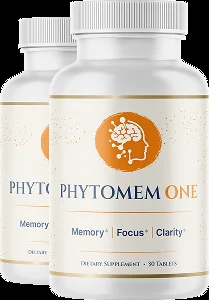
2 Bottles · 60-Day Supply
$79 / bottle
- ✓ Save $40 vs. single-bottle price
- ✓ Backed by the 60-day money-back guarantee
- ✓ Includes all 3 free bonus guides
Total: $158 + shipping
3 Bottles · 90-Day Supply
$59 / bottle
- ✓ The vendor’s advertised best-savings tier
- ✓ Backed by the 60-day money-back guarantee
- ✓ Free US shipping + all 3 bonus guides
Total: $177 + free US shipping
6 Bottles · 180-Day Supply
$49 / bottle
- ✓ The lowest per-bottle price the vendor offers
- ✓ Backed by the 60-day money-back guarantee
- ✓ Free US shipping + all 3 bonus guides
Total: $294 + free US shipping
Prices and package details shown are pulled from currently available marketing sources and can change — click any package above to see live current pricing on the official order page.
- 2 bottles (Starter): $79/bottle, $158 total, advertised savings of $40
- 3 bottles (Advanced): $59/bottle, $177 total, advertised savings of $302
- 6 bottles (Ultimate): $49/bottle, $294 total, advertised savings of $434
A quick honesty check: the 2-bottle tier’s $40 “savings” figure checks out cleanly against the $99 reference per-bottle price ($198 – $158 = $40). The 3- and 6-bottle tiers’ larger savings figures don’t reconcile the same way against simple per-bottle arithmetic — that’s the vendor’s own advertised number, not one we’ve independently verified, so treat those larger “you save” claims as marketing framing rather than confirmed math. The per-bottle price itself is real and does get meaningfully cheaper as you buy more, which is the part that actually matters for your wallet.
Every package currently includes three bonus guides at no extra charge: The Memory Shield Diet, The 5-Minute Brain Reboot, and The Caregiver’s Survival Guide, which the manufacturer values at roughly $214 combined. Bonus guide value estimates from any manufacturer should be taken as a marketing figure rather than an appraised price, but the guides themselves are a real inclusion, not vaporware.
The Guarantee and Return Policy
Phytomem One comes with a 60-day money-back guarantee. If you’re not satisfied, you contact the company within that window and get a refund on your purchase price. Sixty days is a meaningful window — enough time to actually try the product daily for a couple of months rather than the 14-30 day windows some supplements offer, which barely give the ingredients time to build up in your system. If you’re planning to try Phytomem One, this is the biggest practical argument for buying a multi-bottle bundle: it gives you a full supply to evaluate within the guarantee period, rather than running out of a single bottle before you can judge whether it’s working.
Phytomem One Pros and Cons
✓ What We Liked
- 10 named, non-proprietary ingredients — every dose is disclosed, not hidden behind a “proprietary blend”
- Morosil and Fucoxanthin are backed by genuine (if early-stage) published research on metabolic and neural markers
- Stimulant-free, non-GMO formula in an easy-to-take tablet
- 60-day money-back guarantee gives a real window to test it risk-free
- Bulk pricing meaningfully lowers the per-bottle cost for a 3-6 month commitment
⚠ Things To Know First
- “Plastic Stranglehold” and “Type 3 Diabetes” are marketing framings built on preliminary research, not formal medical diagnoses
- Only sold direct from the official site — not available in stores or on Amazon
- Some advertised “savings” figures don’t reconcile cleanly against the single-bottle reference price
- No human clinical trial has tested this exact 10-ingredient combination as a finished product
- Results depend on consistent daily use over weeks, not overnight
Who Should (and Shouldn’t) Consider Phytomem One
Phytomem One is a reasonable candidate to try if: you want a stimulant-free nootropic (no caffeine jitters or crash), you’re specifically interested in the metabolic/blood-sugar angle on brain health rather than a pure “focus pill,” you value full ingredient transparency over proprietary blends, and you’re comfortable buying direct from a manufacturer’s site rather than a retail store.
It’s probably not the right fit if: you’re looking for a fast-acting, single-dose focus boost (this is a cumulative daily-use supplement, not a caffeine-style stimulant), you’re already on medication that affects blood sugar (several ingredients here overlap with diabetes-medication mechanisms, so a conversation with your doctor is important first), or you’re expecting the dramatic transformation implied by the marketing video rather than the more modest, gradual changes that are realistic for any supplement in this category.
Frequently Asked Questions About Phytomem One
Is Phytomem One a scam?
No — it’s a legitimate supplement sold through ClickBank, a large and established affiliate retailer, with named ingredients, a real manufacturer, and a genuine 60-day refund policy. That said, “not a scam” and “guaranteed to work for you” are different claims; treat the marketing narrative around “Plastic Stranglehold” and “Type 3 Diabetes” as simplified, dramatized science communication rather than medical fact.
How long until I notice results?
The manufacturer doesn’t publish a specific timeline, and there’s no clinical trial data to cite a number from. As a general rule for nootropic and metabolic-support supplements, most people who notice a difference report it gradually over 4-8 weeks of consistent daily use, which is part of why the 60-day guarantee window matters more than the price tag when deciding which bundle to buy.
Is Phytomem One safe?
The listed ingredients are all commonly used in supplements and generally considered safe for most healthy adults at typical doses. However, several ingredients (berberine, Ceylon cinnamon, banaba leaf, kudzu) can affect blood sugar and may interact with diabetes medications or blood thinners. If you’re pregnant, nursing, on medication, or managing a health condition, talk to your doctor before starting, as the official site itself recommends.
Can I buy Phytomem One on Amazon or in stores?
No. It’s sold exclusively through the official website. Any listing you find elsewhere claiming to be Phytomem One should be treated with suspicion, since the manufacturer has stated it’s an online-only, direct-to-consumer product.
What if it doesn’t work for me?
Contact the company within 60 days of your purchase for a refund under their money-back guarantee. Keep your order confirmation and follow the return instructions on the official site.
Are there recurring/subscription charges?
Based on the current official order page, purchases are one-time bundle purchases, not auto-ship subscriptions. Always confirm the current checkout terms before completing your order, since policies can change.
Related Phytomem One Resources
- Does Phytomem One Really Work? An Evidence-Based Look at the Science
- Phytomem One Reviews and Complaints: What Customers Are Actually Saying
- What’s in Phytomem One? Every Ingredient Explained in Detail
More Brain Health Reading
- How to Tell if a Brain Supplement Is Actually Working
- Brain Fog Won’t Go Away? Here’s What Actually Helps
- Red Flags: How to Spot Fake Nootropic Supplements
Final Take: Is Phytomem One Worth Buying?
Phytomem One is a well-formulated, fully-disclosed nootropic that leans into a genuinely interesting and current area of brain-health research (microplastics and brain glucose metabolism) without the clinical trials to back the specific finished-product claims yet. That’s not unusual for this category, but it does mean your expectations should be calibrated to “reasonable, evidence-informed try” rather than “guaranteed memory transformation.”
If you decide to try it, the 6-bottle or 3-bottle bundle makes the most financial sense given the per-bottle price drop, and gives you enough supply to fairly test it across the full 60-day guarantee window. Skip the single-bottle option unless you just want to sample it briefly, since it doesn’t leave much room to judge results before you’d need to reorder.
As with any supplement in this category, the honest bar to clear is: named ingredients (check), a real guarantee (check), and a manufacturer willing to stand behind refunds (check) — combined with your own realistic expectations about what a daily supplement can and can’t do.
Affiliate Disclosure: The Health Primer earns a commission if you purchase through links in this article. This never affects our independent evaluation — see our Review Methodology.