What’s in Phytomem One? Every Ingredient Explained in Detail
What’s in Phytomem One? Every Ingredient Explained in Detail
Phytomem One lists 10 named ingredients on its label, organized into three marketing-named “systems.” Unlike many competing nootropics that hide their formula behind a vague “proprietary blend,” every compound here is individually disclosed. This guide goes ingredient by ingredient — where each one comes from, what it’s traditionally been used for, what modern research says about its mechanism, and what you should know about safety and interactions before adding it to your routine.
Saffron Extract (Crocus sativus)
Saffron is the dried stigma of the Crocus sativus flower, one of the most labor-intensive and expensive spices in the world, traditionally used in Persian and broader Middle Eastern medicine for mood and cognitive concerns for centuries before modern research took an interest. Phytomem One specifically references a high-grade Persian strain associated with research out of Tehran University of Medical Sciences.
Modern research on saffron’s active compounds — crocin and safranal, both carotenoid-derived antioxidants — has focused on antidepressant-like effects and, increasingly, neuroprotective properties. Several small randomized controlled trials have found saffron extract comparable to certain prescription antidepressants for mild-to-moderate depression, and there’s growing interest in its potential for mild cognitive impairment, given its antioxidant and anti-inflammatory activity in neural tissue. Dosages in published research have generally ranged from 15-30mg twice daily.
Safety notes: Saffron is generally well tolerated at supplemental doses. It should be avoided in pregnancy at doses above typical culinary use, since high doses have historically been associated with uterine stimulant effects. It may also have mild blood-pressure-lowering and mood-altering effects worth discussing with a doctor if you’re on antidepressant medication.
Fucoxanthin (Japanese Sea Kelp)
Fucoxanthin is a carotenoid pigment that gives brown seaweed (including wakame and kombu, staples of Japanese cuisine) its distinctive coloring. It’s been studied primarily in the context of metabolic health — weight management, fat oxidation, and blood sugar regulation — rather than cognition specifically, which is where Phytomem One’s “neural regeneration” framing goes beyond the primary evidence base.
Newer research, mostly in animal and cell-culture models, has begun exploring fucoxanthin’s potential neuroprotective and anti-inflammatory effects in brain tissue, with some studies published in journals covering neural regeneration. This is a genuinely emerging research area rather than an established one — promising early signals, not confirmed human cognitive benefits.
Safety notes: Fucoxanthin from seaweed sources is generally recognized as safe at supplemental doses. If you have a shellfish or iodine sensitivity, note that seaweed-derived supplements can sometimes contain variable iodine content, which is worth discussing with a doctor if you have thyroid concerns.
Fucoidan (Japanese Sea Kelp)
Also derived from brown seaweed, fucoidan is a sulfated polysaccharide studied largely for its antioxidant, anti-inflammatory, and immune-modulating properties. Some research connects fucoidan intake to the cardiovascular and metabolic benefits associated with Mediterranean and Japanese dietary patterns, and there’s a body of laboratory research on its ability to reduce oxidative stress markers in cell studies.
The claim that fucoidan “clears toxic protein buildups” in the brain by up to 40%, as referenced in Phytomem One’s marketing, traces back to laboratory and animal research on oxidative stress reduction rather than a controlled human trial measuring that specific outcome in people. As with fucoxanthin, treat this as an interesting, evidence-supported hypothesis rather than a proven human outcome.
Safety notes: Fucoidan has a generally favorable safety profile in studied doses, though it has mild blood-thinning properties in some research, which is relevant if you’re on anticoagulant medication — another reason the “talk to your doctor first” advice matters for this specific formula.
Oleuropein (Olive Leaf Extract)
Oleuropein is the primary bioactive compound in olive leaf, long used in Mediterranean folk medicine and increasingly studied for cardiovascular and metabolic health as part of broader Mediterranean-diet research. It has documented antioxidant, anti-inflammatory, and blood-pressure-supportive effects in human studies, along with research on blood sugar management.
Its inclusion in the “Stranglehold Defense Matrix” ties to its established anti-inflammatory profile, and the blood-sugar-stability angle connects it to the formula’s broader metabolic theme, giving it a reasonably coherent place in the formula relative to the stated goals, even though direct brain-tissue research on oleuropein specifically is less developed than its cardiovascular research.
Safety notes: Olive leaf extract is generally well tolerated. It can have mild blood-pressure-lowering effects, so caution is warranted if you’re already on blood pressure medication, and it may also modestly affect blood sugar, relevant again for anyone on diabetes medication.
Berberine HCl
Berberine is a compound extracted from several plants including barberry, goldenseal, and Oregon grape, used in traditional Chinese and Ayurvedic medicine for centuries, primarily for digestive and metabolic complaints. It has become one of the most extensively studied compounds in the modern supplement world, with a substantial body of randomized controlled trials examining its effects on blood glucose, insulin sensitivity, and cholesterol.
Its primary mechanism is activation of AMPK (AMP-activated protein kinase), often called the body’s “metabolic master switch” because of its central role in regulating how cells generate and use energy. This is a well-characterized biochemical pathway, and berberine’s ability to activate it is one of the better-understood mechanisms in the entire supplement industry — it’s genuinely comparable in some metabolic research to the effects of certain diabetes medications, though it should never be treated as a replacement for prescribed medication without medical guidance.
Safety notes: Berberine has real, clinically meaningful blood-sugar-lowering effects, which means it can interact with diabetes medications (increasing risk of hypoglycemia when combined) and with certain other medications metabolized through the same liver pathways (CYP3A4). This is one of the more medically significant interaction risks in the entire formula, and it’s the single strongest reason to consult a doctor before starting Phytomem One if you take any prescription medication, especially for diabetes, blood pressure, or cholesterol.
Ceylon Cinnamon Bark (Cinnamomum verum)
Ceylon cinnamon (sometimes called “true cinnamon,” grown primarily in Sri Lanka) is distinct from the more common Cassia cinnamon found in most grocery stores, and the distinction matters: Cassia cinnamon contains much higher levels of coumarin, a compound that can affect liver health at high doses over time, while Ceylon cinnamon contains only trace amounts, making it the more appropriate choice for a daily supplement.
Human research on cinnamon’s blood-sugar effects goes back decades, with mixed but generally positive results on markers like fasting glucose and insulin sensitivity, particularly in people with elevated blood sugar to begin with. The proposed mechanism involves improving insulin receptor sensitivity, complementing berberine’s AMPK-activation pathway in the formula’s broader metabolic strategy.
Safety notes: Ceylon cinnamon’s safety profile is favorable given its low coumarin content, though it can still have mild blood-sugar-lowering effects worth monitoring if you’re on diabetes medication, similar to the other metabolic ingredients in this formula.
Corosolic Acid (Banaba Leaf)
Banaba (Lagerstroemia speciosa) is a plant native to Southeast Asia, traditionally used in Philippine and other regional folk medicine for diabetes management long before Western science identified corosolic acid as its key active compound. Research on corosolic acid has focused on its ability to activate glucose transporters — the cellular mechanisms that allow glucose to move from the bloodstream into cells for use as fuel.
This mechanism is described by Phytomem One as complementary to berberine’s AMPK activation — the idea being that even if AMPK is “switched on,” cells still need functioning glucose transporters to actually take in the fuel. It’s a biochemically coherent story, supported by smaller human and animal studies specifically on corosolic acid and glucose transport, though the research base is less extensive than berberine’s.
Safety notes: Similar to the formula’s other metabolic ingredients, banaba/corosolic acid can lower blood sugar and should be used cautiously alongside diabetes medications, with medical supervision recommended for anyone managing blood sugar with prescription drugs.
Kudzu Flower Extract
Kudzu is a fast-growing vine native to East Asia (and infamous in the southeastern United States as an invasive species), with a long history in traditional Chinese medicine, primarily for its root, though Phytomem One specifically uses flower extract. Research from Chinese universities, including Sichuan University, has examined kudzu’s isoflavone compounds for effects on glucose uptake, with some studies specifically looking at brain tissue glucose metabolism rather than just peripheral tissue.
This brain-tissue-specific angle is part of why kudzu is positioned as directly relevant to the “Type 3 Diabetes” framing — the research, while still developing, is at least examining the specific tissue type (neural) that the marketing claims are about, which is more directly relevant than some of the other ingredients’ more general metabolic research.
Safety notes: Kudzu isoflavones have mild estrogenic activity in some research, which is worth discussing with a doctor if you have a hormone-sensitive health condition. As with the other metabolic ingredients, blood-sugar-lowering effects mean caution around diabetes medication interactions.
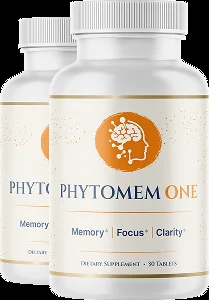
2 Bottles · 60-Day Supply
$79 / bottle
- ✓ Save $40 vs. single-bottle price
- ✓ Backed by the 60-day money-back guarantee
- ✓ Includes all 3 free bonus guides
Total: $158 + shipping
3 Bottles · 90-Day Supply
$59 / bottle
- ✓ The vendor’s advertised best-savings tier
- ✓ Backed by the 60-day money-back guarantee
- ✓ Free US shipping + all 3 bonus guides
Total: $177 + free US shipping
6 Bottles · 180-Day Supply
$49 / bottle
- ✓ The lowest per-bottle price the vendor offers
- ✓ Backed by the 60-day money-back guarantee
- ✓ Free US shipping + all 3 bonus guides
Total: $294 + free US shipping
Prices and package details shown are pulled from currently available marketing sources and can change — click any package above to see live current pricing on the official order page.
Morosil (Sicilian Red Orange Extract)
Morosil is a patented, standardized extract derived from Moro blood oranges grown specifically in the volcanic soil at the base of Mount Etna in Sicily — the growing conditions are frequently cited in the ingredient’s marketing because the unique soil and climate are associated with higher anthocyanin (the pigment responsible for the fruit’s deep red color) concentrations compared to oranges grown elsewhere.
Published research on Morosil, primarily connected to its patent holder, has examined effects on metabolic markers including waist circumference, body fat, and inflammatory markers in supplementation studies. Phytomem One positions it as a “bioavailability enhancer” for the rest of the formula, a claim that extends beyond Morosil’s own core research base into a more speculative, formula-specific role. The anthocyanin and flavonoid content does have general antioxidant research support, independent of the specific bioavailability claim.
Safety notes: Morosil/red orange extract has a generally favorable safety profile in the doses studied, without major documented interaction concerns, making it one of the lower-risk ingredients in the formula from a safety standpoint, even if its “hero ingredient” marketing framing outpaces independent verification.
Xylitol
Xylitol is a sugar alcohol commonly used as a low-glycemic sweetener in sugar-free gum and other products, well known for not spiking blood glucose the way table sugar does, and for having some evidence supporting dental health benefits by reducing cavity-causing bacteria (a separate, non-cognitive benefit worth mentioning). In Phytomem One, it functions primarily as a low-glycemic-index filler/binder that fits the formula’s overall blood-sugar-conscious positioning, rather than as an active cognitive ingredient with its own mechanism relevant to memory or focus.
Safety notes: Xylitol is safe for humans in typical supplement doses but is highly toxic to dogs even in small amounts — an important household safety note if you have a dog, since xylitol-containing products should always be kept well out of reach of pets.
How the 10 Ingredients Work Together: The Formula Logic
Looking at all 10 ingredients together, a coherent (if ambitious) formulation logic emerges: four ingredients (saffron, fucoxanthin, fucoidan, oleuropein) target inflammation and oxidative stress broadly construed as the “Stranglehold Defense” angle; four ingredients (berberine, cinnamon, banaba, kudzu) target glucose metabolism and insulin sensitivity as the “Brain Fuel Restoration” angle; and two ingredients (Morosil, xylitol) serve supporting roles — one as a claimed bioavailability enhancer, one as a functional low-glycemic filler.
The metabolic half of the formula (berberine, cinnamon, banaba, kudzu) has the strongest cumulative human research behind its core mechanism, even though that research is mostly about body-wide metabolic health rather than brain-tissue-specific outcomes. The anti-inflammatory half (saffron, fucoxanthin, fucoidan, oleuropein) has more mixed evidence quality, ranging from saffron’s moderate human cognitive research down to fucoxanthin and fucoidan’s largely preclinical neural research. This uneven distribution of evidence quality across the formula is worth knowing rather than assuming all 10 ingredients carry equal scientific weight.
Ingredient Interactions and Who Should Be Cautious
Given how many ingredients in this formula affect blood sugar and insulin sensitivity (berberine, cinnamon, banaba, kudzu, and to a lesser extent oleuropein), the single most important safety consideration is medication interaction for anyone managing diabetes, prediabetes, or blood sugar with prescription medication. Combining multiple blood-sugar-lowering compounds with diabetes medication raises a real risk of hypoglycemia (blood sugar dropping too low), which is why the standard “talk to your doctor” advice matters more for this specific formula than for many other supplement categories.
Additional caution is warranted for anyone on blood thinners (given fucoidan’s mild anticoagulant research), anyone on blood pressure medication (given saffron and oleuropein’s blood-pressure effects), and anyone with a hormone-sensitive condition (given kudzu’s isoflavone content). None of this means the formula is unsafe for the general population — the ingredients are all commonly used, individually well-tolerated compounds — but the combination does mean this isn’t a “no need to think about it” supplement for anyone already managing a relevant health condition with medication.
How Phytomem One’s Sourcing Claims Compare to Industry Norms
Phytomem One’s marketing emphasizes specific sourcing details for several ingredients — the Persian saffron strain, the volcanic Sicilian soil for Morosil, the Japanese sea kelp source for fucoxanthin and fucoidan. This level of sourcing specificity is more detailed than a lot of competing formulas, which often just list an ingredient name without origin information. Specific sourcing claims are generally a positive transparency signal, though they’re not independently third-party verified by any certification we could confirm beyond the manufacturer’s own statements, which is typical for supplements in this price range and distribution model (direct-to-consumer online sales rather than premium retail placement that sometimes comes with additional third-party certification requirements).
The manufacturer states that ingredients are handled according to USDA National Organic Program standards in a certified facility. This is a meaningful quality signal, though it’s worth noting that “handled according to” USDA organic standards in a facility is a different (typically less rigorous) claim than “USDA Certified Organic” as a finished product, which requires its own specific certification process and would be labeled accordingly if achieved. This distinction matters for accurately understanding what the claim does and doesn’t guarantee.
Frequently Asked Questions About Phytomem One’s Ingredients
Are all of Phytomem One’s ingredients natural?
Yes, all 10 are plant-derived or naturally-occurring compounds (saffron, seaweed extracts, olive leaf, berberine from plant sources, cinnamon, banaba, kudzu, red orange extract, and xylitol, a naturally-occurring sugar alcohol), consistent with the “100% natural” claim on the official site.
Which ingredient has the strongest research behind it?
Berberine has the most extensive human clinical research base of any ingredient in the formula, primarily for blood sugar and metabolic markers rather than cognition specifically.
Is there a full ingredient dosage breakdown available?
The official product label lists specific amounts per serving; check the current supplement facts panel on the official order page for exact milligram dosing, since formulations can be updated by the manufacturer over time.
Could I get similar benefits from individual supplements instead?
In theory, since all the ingredients are individually available, but you’d be purchasing and dosing 10 separate products, which is typically far more expensive and less convenient than a single combined formula — the tradeoff of a multi-ingredient formula is convenience and cost versus the ability to individually adjust each ingredient’s dose.
Do any of these ingredients cause noticeable side effects?
Most people tolerate these ingredients well, though mild digestive upset (particularly from berberine and cinnamon) is the most commonly reported side effect category across users of these ingredients generally, often minimized by taking the supplement with food.
For the complete pricing breakdown and our overall verdict, read our full Phytomem One review, or see our evidence-based analysis of whether it works and our honest look at customer reviews and complaints.