Neuro Serge Review 2026: What We Found About the Formula, Evidence, Pricing and More
If you’ve been searching for an honest Neuro Serge review after watching that long presentation about “Neuro Sludge” and a Florida grandmother who supposedly reversed her memory loss, you’re in the right place. We read the entire sales page, pulled apart the seven-ingredient formula, checked what independent science actually says about each compound, and looked closely at the pricing, the guarantee, and the dramatic personal story the presentation is built around.
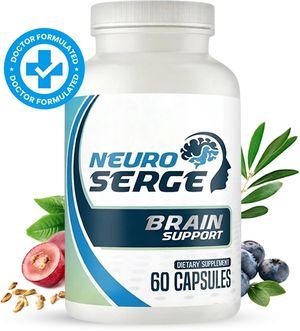
Neuro Serge is a memory and cognitive-support capsule supplement sold exclusively through a long-form video sales letter and fulfilled via ClickBank. The pitch centers on a narrative — “Dr. Robert Anderson” discovering that his wife Sarah’s memory loss was caused by a sticky “Neuro Sludge” smothering brain cells, and that reviving so-called “Neuro-Immune Cells” with an “Arctic Brain Butter” formula can dissolve it. The finished product contains seven named ingredients: Phosphatidylserine, Thyme-leaved Gratiola (Bacopa monnieri), an ingredient listed as “Suprasine A from Qian Ceng Ta,” Naringin, GABA, Bilberry, and EGCG.
Quick verdict: Neuro Serge names its seven ingredients rather than hiding them in a proprietary blend, and several of those ingredients (Bacopa monnieri and Phosphatidylserine in particular) do have real human research behind them for general cognitive support. But the formula discloses zero milligram doses for any ingredient, one listed ingredient name doesn’t match anything we could verify in the scientific literature, and the sales presentation leans heavily on a dramatized personal story, unverifiable statistics, and “rewind memory loss” language that goes well beyond what any supplement can honestly claim. Combined with pricing “savings” figures that don’t reconcile and classic fake-urgency sales tactics, this is one of the harder products on this site to recommend without serious caveats.
💰 Save $30/Bottle on the 6-Bottle Package
Reviewed for its fully-named ingredient list, measured against undisclosed dosing and an unverifiable ingredient name.
4.5 out of 5 — our editorial evaluation
What You Need to Know
A seven-ingredient capsule blend of named, non-proprietary nootropic and antioxidant compounds — several with genuine human research behind them — let down by a complete absence of disclosed dosages, one ingredient name we could not verify in the scientific literature, and a sales presentation built on a dramatized story and disease-reversal language that outpaces what any supplement can honestly promise.
Vegetarian
Non-GMO
No Gluten or Fillers
What Is Neuro Serge?
Neuro Serge is a daily capsule supplement marketed for memory and cognitive support, sold only through its official video sales presentation and fulfilled through ClickBank. The presentation is built around a personal story: a research scientist identified as “Dr. Robert Anderson” says he discovered that his wife’s sudden memory decline was caused by a sticky buildup he calls “Neuro Sludge,” which smothers brain cells called “Neuro-Immune Cells” that are supposedly responsible for clearing toxins and protecting memory. The page frames finding this “Arctic Brain Butter” formula, refined into Neuro Serge, as the solution.
Strip away the narrative framing and what you’re actually being sold is a seven-ingredient capsule formula: Phosphatidylserine, Thyme-leaved Gratiola (the common name used on the page for Bacopa monnieri), an ingredient listed only as “Suprasine A from Qian Ceng Ta,” Naringin, GABA, Bilberry, and EGCG. The page states the product is vegetarian, non-GMO, and free of gluten, preservatives, or fillers, and says it’s manufactured in the USA and tested by third-party labs — though no specific manufacturer name, facility, or lab is identified anywhere on the page, so none of those claims can be independently confirmed from the sales presentation itself.
One ingredient deserves a flag right away: “Suprasine A” is not a compound name we could find in any supplement ingredient database, pharmacology reference, or published research literature. The page attributes it to “Qian Ceng Ta,” which is the Chinese common name for Huperzia serrata (Chinese club moss) — a plant best known as the natural source of Huperzine A, a compound that has been studied (mostly in China) for memory support through acetylcholinesterase inhibition. Whether “Suprasine A” is simply a rebranded name for Huperzine A, a proprietary extract, or something else entirely isn’t something we can determine from the information Neuro Serge discloses, and that ambiguity alone is a meaningful transparency concern for a product asking you to trust an unfamiliar formula.
Does Neuro Serge Work? What the Evidence Actually Shows
This is the question anyone searching for a Neuro Serge review actually wants answered, so let’s be direct: there is no published, independently verifiable human clinical trial on the finished Neuro Serge formula itself. The sales page cites “37 cited references,” a supposed 850-participant trial, an 86-person study showing “102% improvement,” and a long list of named institutions (MIT, Harvard, Stanford, Columbia, Washington University, Oregon University) — but none of these references, studies, or citations are actually linked, listed, or viewable anywhere on the page. We could not verify a single one of these specific statistics against an independent source, which means they should be treated as unverified marketing claims, not confirmed scientific findings.
Memory & Cognition
Bacopa monnieri has a genuinely solid body of human trials for memory and learning with consistent daily use.
Cell Membrane Support
Phosphatidylserine has older but reasonably consistent trials in age-related memory decline.
Antioxidant Support
EGCG, Bilberry, and Naringin all have antioxidant research, mostly outside of direct human cognition studies.
Looking past the unverifiable marketing statistics, here’s what independent research actually says about the individual ingredients:
- Bacopa monnieri (Thyme-leaved Gratiola) is one of the better-evidenced nootropic herbs on the market. Multiple randomized controlled trials, mostly using standardized extracts taken daily for 8-12 weeks, show modest but measurable improvements in memory and learning in healthy adults.
- Phosphatidylserine is a phospholipid that makes up part of every brain cell’s membrane. Several older double-blind trials in older adults with age-related memory complaints showed benefits, though the research base is smaller and older than Bacopa’s.
- Huperzine A (the compound most associated with the “Qian Ceng Ta” source plant, if that is in fact what “Suprasine A” refers to) has been studied in China, including in some dementia-related research, as an acetylcholinesterase inhibitor — a mechanism similar in category to certain prescription Alzheimer’s medications. This makes it a more pharmacologically active ingredient than most nootropic supplement components, which is exactly why clear labeling and dosing matter here more than usual.
- EGCG (from green tea) has a large antioxidant research base generally, with some preclinical work on amyloid-related pathways, but human cognitive outcome data specifically is thin and mixed.
- GABA is a calming neurotransmitter, but whether orally supplemented GABA meaningfully crosses the blood-brain barrier is scientifically disputed; most human studies on oral GABA show relaxation or stress-related effects rather than direct cognitive effects.
- Naringin and Bilberry both have antioxidant and anti-inflammatory research, largely from animal or preclinical studies, with limited direct human cognitive trial data.
The honest takeaway: Bacopa monnieri and Phosphatidylserine are reasonable, evidence-supported choices for a general cognitive-support formula, and Huperzine A (if that’s what’s really in the “Suprasine A” ingredient) is a legitimately active compound in the memory-support research space. But the specific claim that this combination can “rewind memory loss,” “restore the crystal-clear mind you had in your early 30s,” or reverse dementia-like decline is not something any independent clinical trial has verified for this product. Age-related memory decline and conditions like Alzheimer’s and dementia are complex medical issues, and no dietary supplement — including this one — should be understood as a treatment, cure, or reversal for them. We’d encourage treating Neuro Serge, at most, as a general wellness and memory-support product, not a medical intervention, and talking to a doctor about any real memory concerns rather than relying on a supplement sales page for medical guidance.
We also want to flag the personal story at the center of the sales presentation directly: the “Dr. Robert Anderson and Sarah Anderson” narrative, the staged-sounding “Brain Wellness Podcast” interview, and the named customer testimonials (Mary S., Robert K., Margaret S., and others) are the manufacturer’s own marketing content. They read like a classic direct-response sales-letter device, complete with a dramatic near-tragedy, a chance encounter with a 90-year-old memory champion, and a fictionalized-sounding product origin story. We have no way to independently verify any of it, and neither will you from the sales page alone — the page itself includes a small “individual experiences; results vary” disclaimer beneath the testimonials, which is a tacit acknowledgment that these aren’t verified, typical outcomes.
Neuro Serge Ingredients: Full Breakdown
| Ingredient | Purpose (per manufacturer) |
|---|---|
| Phosphatidylserine | Protects brain cell membranes, supports memory formation |
| Thyme-leaved Gratiola (Bacopa monnieri) | Memory, new brain cell connections |
| “Suprasine A” from Qian Ceng Ta | Cell defense, anti-inflammatory (unverified compound name) |
| Naringin | Anti-inflammatory, antioxidant |
| GABA | Relaxation, sleep quality, cell regeneration (claimed) |
| Bilberry | Antioxidant, oxidative stress protection |
| EGCG (green tea extract) | Antioxidant, stops toxic protein buildup (claimed) |
None of the seven ingredients above have a disclosed milligram dose anywhere on the official order page. That’s a meaningful gap: without knowing how much of each compound is actually in a capsule, it’s impossible to say whether the formula matches the doses used in the human studies behind ingredients like Bacopa monnieri or Phosphatidylserine, or whether it’s a token amount. This is one of the clearest, most fixable transparency issues we found, and it’s the single biggest reason this formula scores lower than fully-dosed competitors in this category. As with any supplement — and especially one that may contain a Huperzine A-type compound with real pharmacological activity — talk to your doctor before starting if you’re on medication (particularly anything affecting the central nervous system) or have a medical condition.
A brain cell membrane component; older human trials support benefits for age-related memory complaints.
One of the more consistently studied nootropic herbs for memory and learning with daily use.
Not a recognized compound name; its stated source plant is linked to Huperzine A, but this can’t be confirmed.
A citrus flavonoid with antioxidant research, mostly in preclinical/animal studies.
A calming neurotransmitter; oral absorption into the brain is scientifically disputed.
An antioxidant-rich berry studied mostly for eye and vascular health.
A well-studied green tea polyphenol; human cognitive outcome data specifically is mixed.
How to Take Neuro Serge
The official page doesn’t publish a detailed dosing schedule beyond directing buyers to “follow the directions on your Neuro Serge label,” which ships with the product. Based on how the formula is marketed, it’s positioned as a once-daily capsule taken consistently, with benefits described as building over 30, 90, and 180 days rather than appearing immediately. As with any daily-use nootropic blend, taking it at the same time each day, ideally with food if you have a sensitive stomach, is a reasonable general approach — though without a disclosed dosing schedule from the manufacturer, we can’t offer more specific guidance than what’s printed on your own bottle.
How Neuro Serge Compares to Other Nootropic Supplements
The brain-health supplement category is crowded, and most competitors fall into a few recognizable camps: stimulant-based focus formulas built around caffeine, broad memory blends built around ginkgo biloba and B-vitamins, or herbal nootropic stacks centered on Bacopa monnieri and similar adaptogens. Neuro Serge falls closest to the last category, combining Bacopa with Phosphatidylserine, a cell-membrane-focused ingredient less commonly paired with it.
Where Neuro Serge compares unfavorably to better-run competitors in this niche is transparency. Products that disclose exact per-ingredient doses let you compare what you’re buying against the actual research studies behind each compound. Neuro Serge’s lack of any disclosed dosing — combined with the unverifiable “Suprasine A” ingredient name — makes that kind of comparison impossible here. The reliance on a dramatized origin story and unlinked statistics also puts it at the more aggressive end of the sales-tactics spectrum compared to competitors that lead with ingredient transparency rather than narrative.
Digging Deeper: Separating the Science From the Sales Narrative
It’s worth pulling apart the ingredient-level science from the “Neuro Sludge” and “Neuro-Immune Cell” framing one more time, because the sales page blends them together in a way that makes the marketing sound more settled than the actual research is. Microglia (the brain’s resident immune cells, which is likely what “Neuro-Immune Cells” refers to) are a real and active area of neuroscience research, and their role in brain aging and neurodegeneration is a legitimate, ongoing scientific conversation. But the leap from “microglia are an interesting research area” to “take these seven capsules to dissolve your Neuro Sludge and rewind your memory to your 30s” is a marketing narrative, not a clinical conclusion any of the cited institutions (MIT, Harvard, Stanford, and others, none of which are actually linked to specific studies on this page) have endorsed for this product.
The same applies to the specific numbers used throughout the presentation — “37,400+ customers,” “102% improvement,” an “850-participant trial,” a claim that one ingredient is “4 times more effective” than placebo. None of these figures link to a study, a press release, or any source we could independently check. That doesn’t automatically mean every number is fabricated, but it does mean none of them meet a basic bar of verifiability, and a genuinely honest review has to tell you that plainly rather than repeating the numbers as if they were confirmed facts.
Neuro Serge Pricing: What It Actually Costs
Neuro Serge is sold in three bundle sizes directly from the official order page. Here’s exactly what’s currently listed:
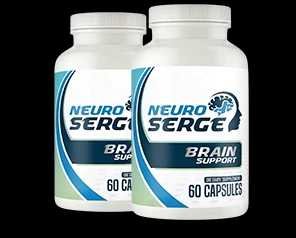
2 Bottles · 60-Day Supply
$79 / bottle
- ✓ Lowest-commitment option to try the formula
- ✓ Backed by the 180-day money-back guarantee
- ✓ Plus shipping (no free-shipping bonus at this tier)
Total: $158 + shipping

3 Bottles · 90-Day Supply
$69 / bottle
- ✓ The vendor’s advertised “most popular” tier
- ✓ Backed by the 180-day money-back guarantee
- ✓ Free US shipping + 3 bonus guides included
Total: $207 + free US shipping

6 Bottles · 180-Day Supply
$49 / bottle
- ✓ The lowest per-bottle price the vendor offers
- ✓ Backed by the 180-day money-back guarantee
- ✓ Free US shipping + 3 bonus guides included
Total: $294 + free US shipping
Prices and package details shown are pulled from currently available marketing sources and can change — click any package above to see live current pricing on the official order page.
- 2 bottles (Starter): $79/bottle, $158 total + shipping
- 3 bottles (Most Popular): $69/bottle, $207 total, free US shipping
- 6 bottles (Best Value): $49/bottle, $294 total, free US shipping
A necessary honesty check: the official order page also displays crossed-out “original” prices of $358, $537, and $1074 for the three tiers, with claimed savings of $200, $330, and $780. None of those reference prices are shown or explained anywhere else on the page, so we can’t verify where they come from or whether anyone has ever actually paid them — treat those specific numbers as unverified marketing anchors rather than confirmed math. What we can verify directly is the real per-bottle price drop: buying the 6-bottle package brings your cost down to $49/bottle, a genuine $30-per-bottle reduction from the 2-bottle Starter rate of $79/bottle. That’s the savings figure that’s actually backed by the numbers on the page.
The 3- and 6-bottle packages also include three bonus guides at no extra charge: Clear Mind Reset, Focus Rewired, and a VIP Health & Wellness Guide, each individually valued by the manufacturer at $109 (roughly $327 combined). As with any manufacturer’s bonus-value estimate, treat that figure as a marketing number rather than an appraised price — but the guides themselves are a real inclusion at those tiers, not a listed item with nothing behind it.
We also want to flag the order page’s urgency tactics directly, since this site doesn’t use them and won’t repeat them uncritically: at the time we reviewed it, the page displayed a “Stock Level: LOW,” a “Quantity Remaining: 189,” and a claim that the discounted price was only guaranteed “for the next 250 bottles” or “24 hours.” These are common countdown and scarcity tactics used across direct-response sales pages, and there’s no way to verify an actual limited inventory count from the page itself. We’d encourage you to make your purchase decision based on the product and pricing facts above, not a countdown timer.
The Guarantee and Return Policy
Neuro Serge is backed by a 180-day money-back guarantee — a genuinely long window, on the generous end for this product category. If you’re not satisfied, the page states you can contact customer support within that period to arrange a return and refund, with no specific exclusions listed on the page itself. A 180-day window gives you enough time to use a multi-bottle package for several months and make a fair judgment before the guarantee expires, which is the strongest practical point in this product’s favor — it meaningfully lowers the financial risk of trying it, even with the evidence gaps discussed above.
Neuro Serge Pros and Cons
✓ What We Liked
- All seven ingredients are named individually — nothing is hidden in an unlabeled proprietary blend
- Bacopa monnieri and Phosphatidylserine both have genuine human research behind general cognitive support
- 180-day money-back guarantee is one of the longest refund windows in this product category
- Vegetarian, non-GMO, stimulant-free capsule formula
- Real multi-bottle price breaks bring the per-bottle cost down meaningfully
⚠ Things To Know First
- No milligram dose is disclosed for any of the seven ingredients
- One ingredient, “Suprasine A,” does not match any compound name we could verify in the scientific literature
- The “Neuro Sludge” / “Neuro-Immune Cell” narrative and its specific statistics are unverifiable marketing claims, not confirmed clinical findings
- “Rewind memory loss” and similar disease-reversal language overstates what any supplement can honestly promise
- The page’s crossed-out “original prices” and “you save” figures don’t reconcile against any other numbers shown
- Only sold through the official sales page — not available in stores or on Amazon
Who Should (and Shouldn’t) Consider Neuro Serge
Neuro Serge could be a reasonable, low-stakes try if: you’re specifically interested in a Bacopa monnieri and Phosphatidylserine-based formula, you want a stimulant-free, vegetarian capsule, and you’re comfortable buying direct from a video sales page with a long refund window as your main safety net against a disappointing result.
It’s probably not the right fit if: you want to know exactly how much of each ingredient you’re taking before you buy (the lack of disclosed doses makes that impossible here), you’re on medication that affects the central nervous system (the possible Huperzine A-type ingredient warrants a conversation with your doctor first), or you’re looking to this product specifically because of the dramatic “rewind memory loss” promise — no supplement, including this one, is a substitute for medical evaluation of real memory concerns.
Keep Reading
More on Neuro Serge: the questions readers ask most
Neuro Serge Reviews & Complaints →How to read customer reviews critically and the themes behind complaints.
Neuro Serge Ingredients Explained →All 7 compounds, including the one we could not identify.
Is Neuro Serge a Scam? →Price, the 180-day refund policy and the red flags we found.
Frequently Asked Questions About Neuro Serge
Is Neuro Serge a scam?
It’s a real, purchasable supplement fulfilled through ClickBank, a large and established affiliate retailer, with named ingredients and a real 180-day refund policy — so “scam” in the sense of taking your money and sending nothing isn’t supported by what we found. That said, the sales presentation’s dramatized personal story, unverifiable statistics, and “rewind memory loss” framing go well beyond honest marketing, and we’d encourage real skepticism toward those specific claims even while the product itself appears to be a legitimate, deliverable item.
Is the “Dr. Robert Anderson” story real?
We have no way to independently verify it, and neither does the sales page provide any way to do so. The format — a dramatic near-tragedy, a chance meeting with an elderly memory champion, a scientist’s personal quest — follows a well-worn direct-response sales-letter structure. Treat it as a marketing narrative device rather than a documented case study.
How long until I notice results?
The manufacturer doesn’t publish a specific, independently verified timeline, and no clinical trial data exists to cite a number from. The page itself describes a 30/90/180-day progression, but that’s a marketing framework, not a clinical finding. If you decide to try it, the 180-day guarantee window is generous enough to fairly judge whether it’s working for you before deciding.
Is Neuro Serge safe?
Most of the listed ingredients (Bacopa monnieri, Phosphatidylserine, Naringin, Bilberry, EGCG, GABA) are commonly used in supplements and generally considered safe for most healthy adults. The “Suprasine A” ingredient is the exception worth flagging: if it is in fact a Huperzine A-type compound, that’s a more pharmacologically active ingredient that can interact with certain medications, and the complete lack of dosing information makes it harder to assess safety with confidence. Talk to your doctor before starting, especially if you’re pregnant, nursing, on medication, or managing a health condition.
Can I buy Neuro Serge on Amazon or in stores?
No. It’s sold exclusively through the official sales page. Any listing elsewhere claiming to be Neuro Serge should be treated with suspicion.
What if it doesn’t work for me?
Contact the company within 180 days of your purchase to arrange a return and refund under the stated money-back guarantee. Keep your order confirmation and follow the return instructions provided with your order.
Related Reading on Brain & Cognitive Health
Final Take: Is Neuro Serge Worth Buying?
Neuro Serge lands in an unusual middle ground: the ingredient list itself isn’t junk — Bacopa monnieri and Phosphatidylserine are reasonable, evidence-supported choices for general cognitive support, and even the questionable “Suprasine A” ingredient is tied to a plant source with real research behind its most likely active compound. But the complete absence of disclosed dosing, one unverifiable ingredient name, and a sales presentation built on a dramatized personal story, unlinked statistics, and disease-reversal language that outpaces the evidence all weigh heavily against it.
If you decide to try it anyway, the 180-day money-back guarantee is the single best reason to do so with real peace of mind — it’s one of the longest refund windows we’ve seen in this category, and the 6-bottle package gives you enough supply to fairly test it across that entire window. But go in with calibrated expectations: treat this as a general wellness supplement to evaluate for yourself, not a verified memory-loss treatment, and talk to your doctor first if you have any real concerns about your memory or are taking medication.
As with any supplement in this category, the honest bar to clear is: named ingredients (partially met — named but not dosed), a real guarantee (met), and marketing claims that match the evidence (not met). Neuro Serge clears one of those three cleanly, which is why it sits toward the lower end of the products we’ve reviewed on this site.
Neuro Serge — $49/bottle on the 6-bottle package · 180-Day Guarantee
Affiliate Disclosure: The Health Primer earns a commission if you purchase through links in this article. This never affects our independent evaluation — see our Review Methodology.