Yu Sleep Reviews & Complaints: What Customers Say (and What They Don’t Tell You)
If you are searching for Yu Sleep reviews, you probably want to know two things: do real people like it, and what do they complain about? The short version is that independent, checkable customer feedback on Yu Sleep (also written YuSleep) is thin. The most detailed stories sit on the company’s own sales page, and the complaints you would expect for a product like this tend to fall into a handful of familiar groups: slow or modest results, next-day grogginess for some people, the price and the two-bottle minimum, and uncertainty about who actually makes it.
This article is about how to read that landscape sensibly, not about adding to the noise. We summarize recurring themes, explain what each one means for a buyer in their 50s or beyond, and give you a method for judging any sleep-supplement review. For the product itself, see our full Yu Sleep review.
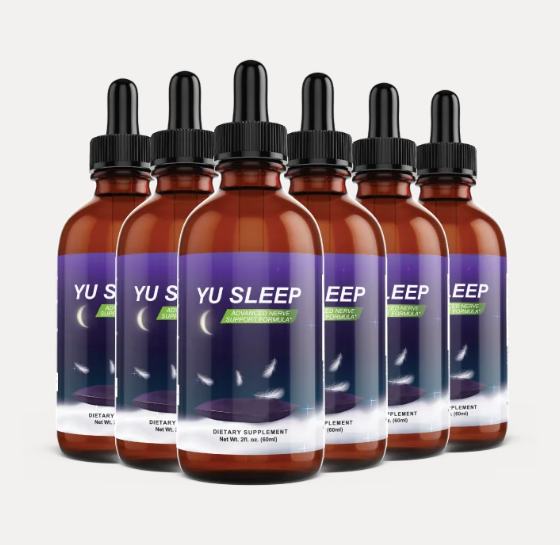
2 Bottles · 2-Month Supply
$69 / bottle
- ✓ You save $60 (30% off)
- ✓ 60-day money-back guarantee
- ✓ One-time payment, no subscription
Total: $198 $138 + shipping
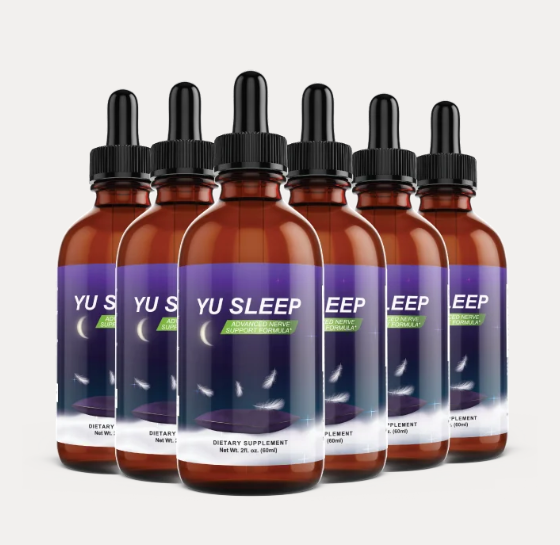
6 Bottles · 6-Month Supply
$49 / bottle
- ✓ You save $300 — biggest discount
- ✓ 60-day money-back guarantee
- ✓ 3 free bonus guides included
- ✓ Free shipping
Total: $594 $294 · free shipping
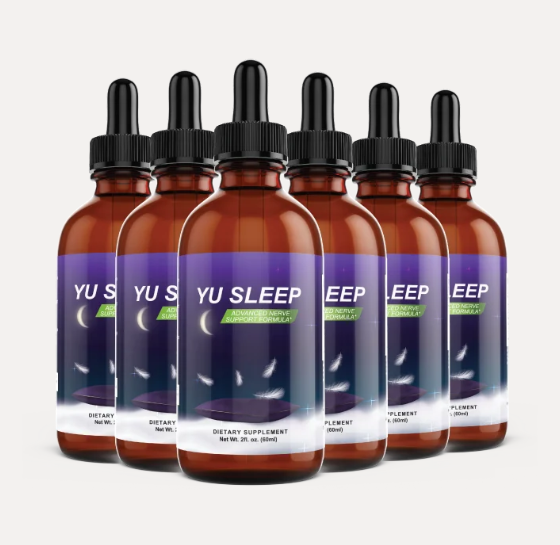
3 Bottles · 3-Month Supply
$59 / bottle
- ✓ You save $120 (40% off)
- ✓ 60-day money-back guarantee
- ✓ 3 free bonus guides included
- ✓ Free shipping
Total: $297 $177 · free shipping
Prices and package details shown are pulled directly from Yu Sleep’s official order page and can change — click any package above to see live current pricing.
For reference, here are the tiers as we saw them (this can change, so confirm on the order page): 2 bottles for $69 each ($138 plus shipping); 3 bottles for $59 each ($177, free shipping, three free bonus guides); 6 bottles for $49 each ($294, free shipping, three free bonus guides). Payment is one-time, not a subscription, and a 60-day money-back guarantee is stated.
How We Approached These Yu Sleep Reviews (A Methodology Note)
We say this plainly because the review ecosystem around supplements is full of made-up praise. A page that promises to reveal “what customers really say” and then prints a tidy list of glowing quotes should make you suspicious. In our own research for the main review, we looked for independent discussion of Yu Sleep on forums, a Better Business Bureau profile and a genuinely independent Trustpilot page, and found essentially none. The only Trustpilot-style link we found in the company’s own marketing pointed to a domain that was not trustpilot.com itself. That is not proof of anything bad, but it does mean you should be careful about where a “review” comes from.
Why that matters
When there is little independent feedback, three kinds of content fill the gap: the company’s own testimonials, affiliate sites like ours, and rewritten copies of both. Knowing which one you are looking at is the first step to reading any of them well.
What Do Yu Sleep Customers Say? The Recurring Themes
Here are the themes we would expect any thoughtful buyer to run into, matched to the facts about the product that cause them.
| Theme | Why it comes up | What to do about it |
|---|---|---|
| “It didn’t do much” | Sleep supplements usually have modest effects; nine of ten doses are unstated | Keep a sleep log; set a decision date inside the guarantee window |
| Slow results | The vendor describes a months-long “reset”; the evidence for that is unproven | Don’t wait beyond the refund window without a clear reason |
| Grogginess or heaviness | Melatonin and other calming ingredients can carry over into the morning for some people | Talk to a pharmacist; avoid driving until you know your response |
| Price and the 2-bottle minimum | There is no single-bottle trial; entry cost is $138 plus shipping | Weigh tiers carefully; rely on the guarantee |
| Unclear manufacturer | No company or contact address is named on the sales page | Keep order confirmation; buy only from the official page |
| Unrealistic expectations | Marketing language promises restored, deep sleep | Judge by your own log, not the sales page |
What Do the Positive Yu Sleep Reviews Tend to Emphasize?
A fair look at reviews has to include the good ones. On the official sales page, the stories are written by people in their 50s and beyond who describe 3 AM wake-ups easing, more energy and, in a few cases, improvements in deep sleep on wearable devices such as Oura or WHOOP. They read as specific rather than generic, which is a mild positive signal. But they are published by the seller, and the page itself says the testimonials are not claimed to represent typical results.
Why positive stories can be true and still not predict your result
Someone can genuinely sleep better after starting a product and still not be seeing the product’s effect. Sleep varies from week to week. People often begin a supplement at the same moment they cut back on caffeine, tidy up their bedtime or simply have a calmer month. A wearable can feel authoritative, but consumer devices estimate sleep stages from movement and heart rate, so a change in a “deep sleep” number is a rough indicator, not a lab measurement.
The liquid format is another point that supporters tend to mention in general discussion of products like this: it can be easier than swallowing capsules, and the dropper makes dose adjustment simple. That is a real convenience, though it also means you are trusting the stated concentration rather than counting pills. None of this is a reason to dismiss good experiences. It is a reason to treat them as encouraging possibilities rather than predictions.
Is Next-Day Grogginess a Common Yu Sleep Complaint?
Grogginess is one of the most predictable complaints about any melatonin-containing product, so it is reasonable to expect it here. We cannot count how many people report it for Yu Sleep. What we can say is why it happens in general. Melatonin is a hormone your body already makes, and supplement doses can leave some people feeling slowed down, foggy or a little “hungover” the next morning, particularly when the dose is high or taken too late. Yu Sleep lists its melatonin at 0.9 mg, which is a modest figure, but the formula also contains other calming ingredients whose amounts are not stated, so there is no way to predict your personal response from the label.
Practical points for adults over 50
- As we age, our bodies often clear melatonin and other compounds more slowly, so a dose that suits a younger person can feel heavier for you.
- Combining a sleep supplement with alcohol, an antihistamine sleep aid, a prescription sedative or pain medicine can deepen drowsiness. Ask your pharmacist.
- If you wake at night to use the bathroom, feeling drowsy or unsteady is a fall risk. Make the path safe and tell your doctor if you feel dizzy.
- If you are groggy in the morning, note the time you took it and how much, and consider whether you are taking it too close to your wake time. Do not exceed the directions on the label.
Our guide to melatonin dosing explains why lower amounts are generally the evidence-aligned starting point and how timing can change next-day effects.
“It Didn’t Work for Me”: Why Some Buyers Report No Effect
“No effect” is the most common outcome of most supplement trials, and the reasons are usually mundane. They are worth knowing because they help you decide whether Yu Sleep failed or the situation did.
- The cause of poor sleep was not something a supplement addresses. Sleep apnea, restless legs, pain, reflux, night-time urination, alcohol, caffeine, a hot bedroom, late meals and anxiety all disrupt sleep. A relaxation blend does little for any of them.
- The doses were too low or too uncertain. With nine of ten doses unstated, a buyer cannot know. If the formula is dominated by one ingredient, the others may be contributing very little.
- The ingredient may simply not suit that person. Responses to melatonin, magnesium, L-theanine and the rest differ from person to person.
- Expectations were set by marketing. If you were expecting a night of deep sleep from the first dropper, ordinary improvement will feel like failure.
- Habits stayed the same. A supplement cannot offset a variable wake-up time or an evening on the sofa with bright screens.
For more on whether the formula is likely to move the needle, see our analysis of whether Yu Sleep really works.
Price, Bundles and the Two-Bottle Minimum
Price comes up in every conversation about this product, and for good reason. Yu Sleep does not offer a one-bottle trial. The cheapest way in, at the time we checked, is the 2-bottle Starter package at $138 plus shipping. Each step up lowers the cost per bottle and, for the 3-bottle and 6-bottle packages, adds free shipping and three bonus guides. That structure is common in this category, and it nudges buyers toward larger packages.
How to think about it
- Cost versus commitment. The 6-bottle package has the lowest per-bottle price but also the largest up-front payment. If you are not sure the formula suits you, a bigger package increases what you have tied up until you request a refund.
- “Savings” are advertised, not guaranteed. The order page displays crossed-out amounts and “you save” figures. Treat those as the seller’s framing rather than as a comparison to a price at which most people actually bought. The practical comparison is what you pay now against what you would pay for alternatives.
- Bonus guides. Three free guides come with the larger packages. We have not evaluated their quality and would not weigh them heavily in your decision.
- No subscription. The page states it is a one-time payment, so a recurring charge should not be a concern, but check your order confirmation.
Ordering, Refunds and the Transparency Gap
Two of the most useful things you can know before ordering are who you are buying from and how you get your money back. Here is what is and is not public, based on our main review.
What is stated: The product is sold through the official site getyusleep.com, processed by ClickBank, a long-running payment marketplace with its own refund process. The order page describes a 60-day, no-questions-asked money-back guarantee. The vendor says orders ship within about 24 hours, arriving in roughly 5 to 7 business days in the United States and longer internationally.
What is not stated: A manufacturer, a parent company or a contact address on the sales page. Because of that, we cannot tell you who will answer if you email the company, and we are not going to invent a support process. If you do need a refund, the safe course is to keep your order confirmation and receipt, note the date, and follow the refund instructions provided there. If the seller is unresponsive, the marketplace that processed your payment is the next place to look, as the main review notes.
Why a missing manufacturer matters
It does not make the product fake. It does mean you cannot easily look up where it is made, which quality standards are followed, or who is accountable if something is wrong with a batch. It is a fair reason for some readers to look elsewhere, and a fair reason for others to rely on the guarantee. We explore the legitimacy question in more depth in our article on whether Yu Sleep is a scam.
How to Read Any Sleep Supplement Review Critically
These habits apply to Yu Sleep and to every other product you research.
Ask who is speaking
Is the reviewer a verified buyer, the company, an affiliate, or an anonymous account? Testimonials published on a sales page are marketing, even when they are detailed and sound sincere. The page for this product says results are not typical, which is the honest part.
Look for specifics that can be checked
“Best sleep of my life” is not information. “I took it 30 minutes before bed for three weeks and stopped because of morning grogginess” is closer. Watch out for reviews that mention trackers and numbers but no context such as what else changed.
Notice what is missing
- Do negative experiences appear at all, or only five-star stories?
- Does the reviewer disclose how they were paid or compensated?
- Is the review on a neutral platform where you can see the reviewer’s other activity?
Be wary of “before and after” without a baseline
Sleep fluctuates naturally. A bad week is often followed by a better one regardless of what you took. Reviews that start right after a terrible period flatter any product.
Check the reviewer’s circumstances
Someone with a different age, medication list or sleep problem is a poor guide to your outcome. Brain fog and tiredness are also commonly attributed to sleep when they have other causes, as we discuss in our guide to brain fog causes.
What Safety Concerns Should You Raise Before Reading Any Reviews?
Reviews tend to focus on how people felt, and they rarely mention the things that matter most for older adults: medications and underlying conditions. Before you weigh anyone’s experience, check these points against your own situation.
- Antidepressants and other serotonin-affecting medicines. Yu Sleep contains 5-HTP, which raises serotonin. Combining it with SSRIs, SNRIs and some other drugs carries a well-established risk of serotonin syndrome. The sales page does not mention this, and most testimonials will not either. Ask your doctor or pharmacist first.
- Sedatives, blood thinners and diabetes medicines. Melatonin can add to sedation and may interact with blood thinners and diabetes drugs, so a pharmacist check is worthwhile.
- Warning signs a supplement will not fix. Loud snoring with gasping, restless legs, ongoing low mood, or insomnia on most nights for weeks deserve a clinician, not a review thread.
- Driving and alertness. Until you know how a new sleep product affects you, avoid driving or operating machinery after taking it.
A reviewer who felt fine on a combination of medicines tells you nothing about your own risk. That is one reason this article keeps pointing back to professional advice and away from anecdotes.
Frequently Asked Questions
Are there verified Yu Sleep reviews on independent sites?
In our research for the main review, we found essentially no independent discussion on forums, the Better Business Bureau or a genuine Trustpilot page. The detailed testimonials we saw were published by the vendor.
What are the most common Yu Sleep complaints?
We are not reporting counts, but the themes we would expect to come up are modest or slow results, morning grogginess for some people, cost and the two-bottle minimum, and the lack of a named manufacturer.
Are the testimonials on the sales page real?
We cannot verify them either way. They are vendor-published, are labeled by the page itself as not representing typical results, and are not hosted on an independent platform, so we treat them as illustrative only.
Does Yu Sleep cause side effects?
We have no data on side effects from the finished product. Ingredient-level effects can include drowsiness, headache, stomach upset or vivid dreams. The 5-HTP content can interact with antidepressants, so check with your doctor or pharmacist before starting.
Can I get a refund if I am unhappy?
The official order page states a 60-day money-back guarantee. Keep your confirmation and follow its instructions. We have not tested the refund process ourselves and cannot describe steps the page does not state.
Is YuSleep the same thing as Yu Sleep?
Yes. “YuSleep” is a common way people type the name when searching, and it refers to the same liquid sleep formula on the official site.
Where is the safest place to buy?
The official order page, which processes payment through ClickBank. We would avoid third-party marketplaces and unofficial resellers where authenticity and the refund policy cannot be confirmed.
How can I tell whether it is working?
Keep a two-week baseline log before you begin, then continue it. Judge on your own data, and decide in advance when you will request a refund if there is no meaningful change.
Our Take
The honest summary of Yu Sleep’s public reputation is that there is not much independent reputation to summarize. The product has a sensible ingredient list, a stated 60-day guarantee and a no-subscription model, which are real points in its favor. The reasons for caution are equally concrete: a named manufacturer is absent, nine of ten doses are undisclosed, the entry cost is $138 before shipping, and the best-sounding stories come from the seller. Read any review, including ours, with those facts in mind, and put more weight on your own sleep log than on anyone else’s words.
If you are on antidepressants, have signs of sleep apnea or restless legs, or sleep poorly most nights, speak to a clinician before trying any new sleep product.
Related reading: the main Yu Sleep review, the guide to what is in the formula, our article on waking up at 3am, and the magnesium for sleep dosage guide.
Disclosure: we may earn a commission if you buy through our links, at no extra cost to you, and it does not change our assessment.