Yu Sleep Ingredients Explained: Melatonin, Magnesium, L-Theanine & 7 More
The Yu Sleep ingredients list reads like a greatest-hits collection of sleep supplements: melatonin, magnesium glycinate, L-theanine, tart cherry, 5-HTP, GABA, apigenin, lemon balm, vitamin B6 and vitamin B2. Yu Sleep (also spelled YuSleep) puts all ten in a single liquid dropper. That is an appealing idea, but the useful question is what each ingredient actually does, what amounts research has used, and what we can and cannot tell from the label. Only one dose, melatonin at 0.9 mg, is stated.
This guide goes through the formula one ingredient at a time, in plain language. Where we mention “typical studied ranges,” we mean general figures from research on those ingredients, not what is inside a Yu Sleep bottle. For the product overview, see our complete Yu Sleep review.
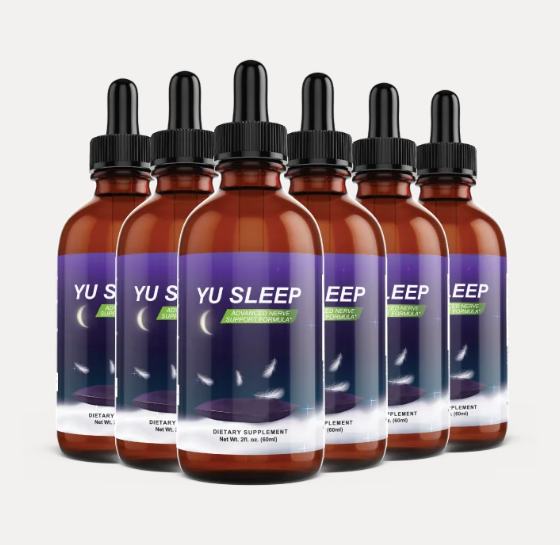
2 Bottles · 2-Month Supply
$69 / bottle
- ✓ You save $60 (30% off)
- ✓ 60-day money-back guarantee
- ✓ One-time payment, no subscription
Total: $198 $138 + shipping
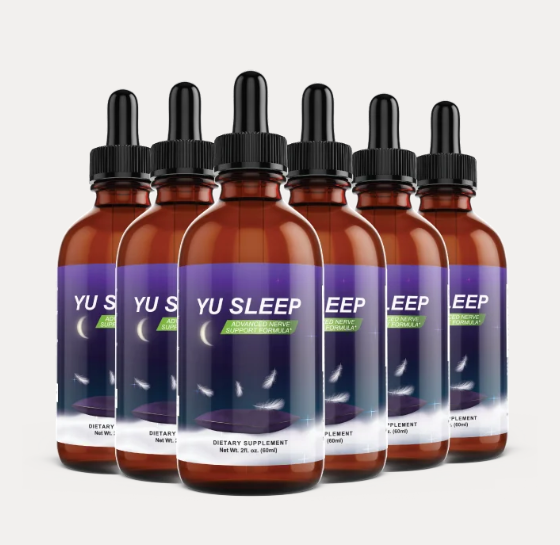
6 Bottles · 6-Month Supply
$49 / bottle
- ✓ You save $300 — biggest discount
- ✓ 60-day money-back guarantee
- ✓ 3 free bonus guides included
- ✓ Free shipping
Total: $594 $294 · free shipping
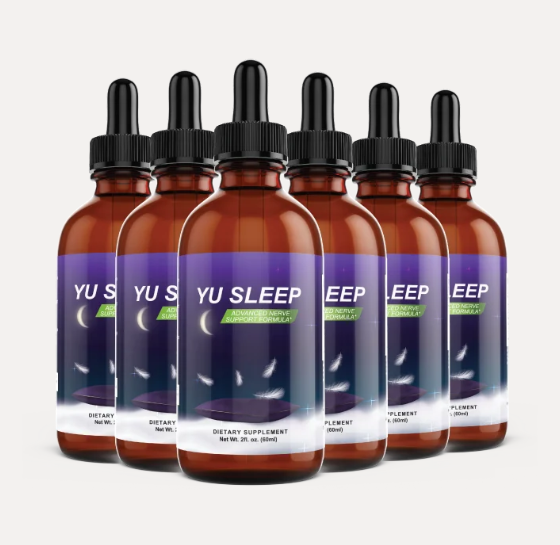
3 Bottles · 3-Month Supply
$59 / bottle
- ✓ You save $120 (40% off)
- ✓ 60-day money-back guarantee
- ✓ 3 free bonus guides included
- ✓ Free shipping
Total: $297 $177 · free shipping
Prices and package details shown are pulled directly from Yu Sleep’s official order page and can change — click any package above to see live current pricing.
At the time we checked (prices can change): 2 bottles at $69 each ($138 plus shipping); 3 bottles at $59 each ($177, free shipping, three bonus guides); 6 bottles at $49 each ($294, free shipping, three bonus guides). One-time payment, no subscription, 60-day money-back guarantee.
What Is in the Yu Sleep Formula? All 10 Ingredients at a Glance
Here is the whole formula on one page. The “evidence” column is a qualitative summary of how well-supported each ingredient is for sleep in independent research, not a score. The “typical studied range” column describes general figures from the wider literature and is included so you can see how far the unstated doses might be from what researchers have used.
| Ingredient | Role in the formula | Evidence for sleep | Typical studied range (general) | Yu Sleep dose |
|---|---|---|---|---|
| Melatonin | Body-clock signal | Strongest | About 0.3 to 5 mg | 0.9 mg |
| Magnesium glycinate | Relaxation, muscle calm | Modest, mixed | A few hundred mg of elemental magnesium | Not stated |
| L-theanine | Calm focus, relaxation | Mild, small studies | Roughly 100 to 400 mg | Not stated |
| Red tart cherry | Natural melatonin source, antioxidants | Small studies | Varies; mostly juice or concentrate | Not stated |
| 5-HTP | Serotonin precursor | Limited for sleep | Often tens to a couple of hundred mg | Not stated |
| GABA | Calming neurotransmitter | Disputed | Often 100 to 300 mg in small studies | Not stated |
| Apigenin | Plant flavonoid (found in chamomile) | Preliminary | No established dose | Not stated |
| Lemon balm | Calming herb | Mixed | Often a few hundred mg of extract | Not stated |
| Vitamin B6 | Helps make serotonin and melatonin | Indirect | Diet needs are only a few mg a day | Not stated |
| Vitamin B2 | General metabolism | Indirect | Diet needs about 1 to 1.5 mg a day | Not stated |
Treat the ranges as rough orientation only. Studies differ widely in design, population and form of the ingredient, and none of them tested Yu Sleep itself.
What Does Melatonin Do in Yu Sleep, and Is 0.9 mg Reasonable?
Melatonin is a hormone made by the pineal gland in the evening that tells your body it is nighttime. It is the best-studied ingredient in the formula and the only one where Yu Sleep states the amount: 0.9 mg.
What the research suggests
Studies and reviews of melatonin generally find that it can modestly shorten the time it takes to fall asleep and can help with shifted body clocks, such as jet lag or irregular schedules. The effect is typically measured in minutes. In adults over 50, natural melatonin production tends to decline, which is part of why it is popular in this age group. Lower doses, often in the 0.3 to 3 mg range, are commonly considered a sensible starting point, because higher doses have not reliably worked better and can increase the chance of morning grogginess, vivid dreams or headaches. In that light, 0.9 mg is a defensible figure rather than a token one.
Cautions
- Melatonin can add to the effect of sedatives and sleep medicines.
- It may interact with blood thinners such as warfarin and with some diabetes medicines, and it can affect blood pressure medicines for some people. Fluvoxamine, an antidepressant, is known to raise melatonin levels substantially.
- Supplement quality varies across brands, which is another reason an unnamed manufacturer is a transparency gap worth noting.
Our melatonin dosage guide goes deeper on timing and amounts.
Magnesium Glycinate, L-Theanine and Tart Cherry: The Middle Tier
These three have reasonable but modest support. They are the ingredients most likely to add something beyond melatonin, and also the ones where dose most clearly matters.
Magnesium glycinate
Magnesium takes part in hundreds of body processes, including muscle relaxation and nerve signaling. Glycinate is magnesium bound to the amino acid glycine and is generally gentle on the stomach, which is why it is often chosen for sleep. Small studies, including some in older adults, suggest benefits for sleep quality, with the clearest effect in people whose intake is low. Many older adults do fall short on magnesium from food. For context, the daily recommended intake for adults over 50 from all sources is roughly 420 mg for men and 320 mg for women, and the upper limit for supplemental magnesium is 350 mg a day, because excess can cause loose stools. Since the Yu Sleep dose is unstated, you cannot tell what share of this it provides. People with kidney disease should ask a clinician before taking magnesium. See our magnesium for sleep dosage guide for practical ranges.
L-theanine
L-theanine is an amino acid found in tea. In small studies it has been linked with a calmer, more relaxed state without strong sedation, and some trials suggest slightly better sleep quality. It is usually well tolerated. The studied amounts are generally in the hundreds of milligrams, which would be hard to fit in a small liquid dose together with nine other ingredients, but we cannot confirm either way.
Red tart cherry
Tart cherries naturally contain small amounts of melatonin along with plant compounds called polyphenols. A handful of small studies, some in older adults, found modest improvements in sleep with tart cherry juice or concentrate. Those results do not automatically carry over to an extract in a multi-ingredient drop, and the cherry products tested typically deliver a good deal of fruit-based material. People who watch their blood sugar should remember that juices contain sugar, though an extract in a dropper is a different matter.
What About 5-HTP, GABA and Apigenin?
This is where the formula gets more speculative, and in one case, more safety-relevant.
5-HTP: useful chemistry, real interaction risk
5-HTP (5-hydroxytryptophan) is made from the amino acid tryptophan and is a step on the body’s path to serotonin, which is later converted into melatonin. That is the theory behind including it. Evidence for 5-HTP specifically improving sleep is limited. The more important point for our readers is safety. Because it raises serotonin, 5-HTP can contribute to serotonin syndrome when combined with SSRI or SNRI antidepressants, MAO inhibitors and some other medicines (certain migraine and pain drugs among them). Symptoms can include agitation, a racing heart, sweating, tremor and, in severe cases, serious complications. Antidepressant use is common after 50, so please do not skip this: if you take any such medicine, speak with your doctor or pharmacist before considering Yu Sleep. Nausea and stomach upset are the more common, milder effects of 5-HTP on its own. The main review points out that the sales page does not mention this interaction.
GABA: a calming chemical that may not reach the brain
GABA is the brain’s main calming neurotransmitter, so it seems like an obvious sleep ingredient. The catch is the blood-brain barrier, a filter that restricts what moves from the bloodstream into brain tissue. Whether GABA taken by mouth gets through in meaningful amounts is unresolved. Some small studies report relaxation or sleep benefits anyway, possibly through the gut or other routes. We would call it the least proven ingredient in the blend. It is usually well tolerated but may cause mild drowsiness or tingling in some people.
Apigenin: emerging and mostly indirect
Apigenin is a flavonoid found in chamomile, parsley and some other plants. Marketing sometimes calls it a gentle natural sedative. Most of the interest comes from lab and animal work, plus human studies of chamomile extracts that do not isolate apigenin. There is no established human dose for sleep. Treat it as promising chemistry rather than proven benefit. People with allergies to plants in the daisy family, such as ragweed, should be careful with chamomile-related products.
Lemon Balm, Vitamin B6 and Vitamin B2: Calm and Cofactors
Lemon balm
Lemon balm is a mint-family herb used for centuries for nervous tension. Studies suggest it may reduce feelings of stress and improve calmness, and in some research it appears alongside valerian or other herbs for sleep. Results are mixed, and because it is so often studied in combination, it is difficult to credit lemon balm alone. It is generally well tolerated, though it may add to the effect of sedatives. Some sources advise caution for people on thyroid medication, so mention it to your clinician if that applies.
Vitamin B6
Vitamin B6 is a cofactor, a helper molecule the body needs to convert 5-HTP into serotonin and to support melatonin production. That is a sound biochemical reason to pair them, but it does not mean that extra B6 improves sleep for people who already get enough. Most adults over 50 need only about 1.5 to 1.7 mg a day from diet. The established upper limit for adults is 100 mg a day, since very high long-term intakes from supplements can damage nerves. A single dropper dose in a sleep formula is unlikely to be anywhere near that, but you should count B6 from all supplements you take.
Vitamin B2 (riboflavin)
Riboflavin supports energy metabolism, and the evidence linking it to better sleep is indirect. Excess is simply excreted, which can turn urine bright yellow. It is one of the lowest-risk ingredients in the formula and probably the one least likely to change how you sleep.
How Do the Yu Sleep Ingredients Compare With Single-Ingredient Options?
A fair question is whether a blend beats buying one or two ingredients separately. There are trade-offs on both sides.
| Factor | Ten-ingredient liquid (Yu Sleep) | Single-ingredient product |
|---|---|---|
| Dose transparency | One of ten stated | Usually fully stated |
| Finding what works or causes problems | Hard; many variables at once | Easier; change one thing at a time |
| Interaction risk | More ingredients, more to check (includes 5-HTP) | Fewer to check |
| Convenience | One liquid; no pills to swallow | May need several products |
| Evidence base | No published trial of the finished formula | Often a larger body of research on the ingredient |
| Cost to try | $138 plus shipping minimum | Often a single, lower-cost bottle |
One practical approach for people who want to learn what helps them: try the basics first (consistent habits, perhaps a low-dose melatonin or a magnesium supplement at a known amount, after checking with a pharmacist), and consider a blend only if those do not do enough. The blend’s advantage is convenience, not proven extra power. Our article on whether Yu Sleep works looks at that question from the efficacy side.
How Should You Approach a Multi-Ingredient Formula Like This Safely?
If you decide to try Yu Sleep, a few sensible habits reduce the chance of an unpleasant surprise, especially because you cannot see most of the doses.
- Do the pharmacist check first. Bring a list of every prescription, over-the-counter product and supplement you take, and show them the ten ingredients. This takes minutes and addresses the single biggest risk (5-HTP with serotonergic medicines).
- Start by following the label, and start on a night when you do not need to be alert early. You will learn how drowsy or foggy it makes you before you have to drive or make decisions the next day.
- Change one thing at a time. If you start Yu Sleep the same week you change your bedtime, your caffeine and your evening routine, you will not know what helped.
- Keep a simple log. Bedtime, rough time to fall asleep, night wakings, morning energy and any side effects such as headache, stomach upset or vivid dreams.
- Stop and seek advice if something feels wrong. Agitation, racing heart, severe dizziness, a rash or swelling are reasons to stop immediately and contact a clinician.
- Do not stack other sleep aids. Adding an antihistamine sleep aid, extra melatonin or alcohol on top of a multi-ingredient formula multiplies uncertainty.
Remember also that supplements are not reviewed by regulators for effectiveness before they are sold, which is why independent information, a pharmacist and your own record carry so much weight.
Which Yu Sleep Ingredients Need the Most Caution?
If you take medicines or have a health condition, it helps to see the safety points together.
- Serotonin-affecting medicines (SSRIs, SNRIs, MAOIs, some migraine and pain drugs): 5-HTP is the main concern. Ask before using.
- Sedatives, sleeping pills, alcohol: melatonin, GABA, L-theanine and lemon balm may add to drowsiness.
- Blood thinners: melatonin has been reported to interact with warfarin. Ask your clinician.
- Diabetes medicines: melatonin may affect blood sugar control in some people. Monitor and ask.
- Kidney disease: magnesium is cleared by the kidneys; ask before supplementing.
- Thyroid conditions: ask about lemon balm if you take thyroid medication.
- Surgery coming up: tell your surgical team about every supplement.
- Pregnancy or breastfeeding: not a suitable time for an unvetted multi-ingredient blend without medical advice.
Whatever your situation, drowsiness is possible, so avoid driving until you know how you respond. Persistent insomnia, loud snoring with gasping, restless legs and mood changes should be checked by a clinician rather than managed with supplements. Our guide to waking up at 3am covers common causes.
Why Do 9 of 10 Yu Sleep Doses Matter So Much?
Dose is the difference between a meaningful amount and a sprinkle. A supplement can truthfully list magnesium glycinate on the label while providing a fraction of what any study used. Stating all ingredient amounts is the simplest way a company can show it stands behind its formula. Here, only melatonin is stated, and the manufacturer is not clearly named. Some supplement makers explain this by pointing to proprietary-blend concerns, and others offer no reason. The vendor does not publicly explain it, so we cannot say why.
What can a careful buyer do? Compare the logic of the formula with the 60 mL volume and the label directions of two droppers before bed, and ask whether a meaningful dose of ten different compounds is plausible in that volume. Treat the 60-day guarantee as your main protection, not the ingredient list. We discuss price and the refund policy in Is Yu Sleep a scam?
Frequently Asked Questions
What are the main Yu Sleep ingredients?
Melatonin (0.9 mg stated), magnesium glycinate, L-theanine, red tart cherry extract, 5-HTP, GABA, apigenin, lemon balm extract, vitamin B6 and vitamin B2.
Which Yu Sleep ingredient has the best evidence?
Melatonin has the strongest evidence for helping people fall asleep. Magnesium, L-theanine and tart cherry have smaller, more modest bodies of research.
Which ingredient is the least proven?
GABA is the most disputed because it is unclear how much taken orally reaches the brain. Apigenin has thin human evidence as well.
Does the YuSleep formula interact with antidepressants?
It can. The 5-HTP raises serotonin, and combining it with SSRIs, SNRIs and some other medicines carries a recognized risk of serotonin syndrome. Speak with your doctor or pharmacist first.
Why are the doses of most ingredients not listed?
The company does not say, and we cannot confirm a reason. Only the melatonin amount is stated on the official page.
Is it better to take magnesium and melatonin separately?
Separate products give you control over each dose and make it easier to spot what is helping or causing side effects. The blend offers convenience in a liquid. Neither is clearly better for everyone, and you should check with a pharmacist if you take medicines.
Can I take Yu Sleep every night?
The label directs two droppers about 30 minutes before bed. We have no long-term safety data on the finished formula, so mention regular use to your doctor.
Are these ingredients safe for people over 65?
Many are generally well tolerated at typical doses, but older adults are more prone to drowsiness, falls and medication interactions. Check with a clinician before starting.
Our Take
As an ingredient list, Yu Sleep is sensible. Melatonin at a modest dose, magnesium glycinate, L-theanine and tart cherry are reasonable choices, and the B vitamins are plausible helpers. The weaker links are GABA and apigenin, and the one that deserves real respect is 5-HTP because of its antidepressant interaction. The main limitation is not the ingredients themselves but the lack of dose information for nine of them and the absence of a clearly named manufacturer. If you value knowing exactly what you take, single-ingredient products will serve you better. If you like a liquid blend and are comfortable relying on the guarantee, it is a defensible product to try, after a check with your pharmacist.
Related reading: the main Yu Sleep review, the article on customer reviews and complaints, and our guides to magnesium for sleep and melatonin dosage.
Disclosure: we may earn a commission if you buy through our links, at no extra cost to you, and it does not change our assessment. This is general information, not medical advice.