Yu Sleep Review 2026: Does It Actually Work?
Adults 50+ with mild-to-moderate occasional sleep trouble who prefer a liquid dropper over pills, want to try a multi-ingredient natural approach, and are comfortable committing to at least a 2-month package.
Anyone currently taking an SSRI, SNRI, or other serotonergic medication (due to the 5-HTP content), anyone who wants exact per-ingredient doses disclosed before buying, or anyone who wants to trial a single bottle before committing financially.
Yu Sleep Review 2026: What We Found About the Formula, Evidence, Pricing and More
If you’re over 50 and you’ve noticed that the deep, uninterrupted sleep you used to take for granted has quietly disappeared — replaced by 3 AM wake-ups, a racing mind, and mornings that never quite feel rested — you’ve probably landed on a Yu Sleep review while searching for a fix. It’s a liquid dropper sleep formula built around a blend of ten well-known sleep-supporting ingredients, and it’s being marketed heavily to exactly this audience: people who are tired of being tired.
This review walks through what’s actually in the dropper, what the ingredient-level research does and doesn’t support, what it costs at every package size, and what happens if it doesn’t work for you. We put Yu Sleep through The Health Primer’s standard evidence-based review process — reading the label against the independent research literature rather than the sales page’s own claims — and below is everything we found, including a couple of things the official sales page doesn’t tell you.
What Stood Out
- Ten recognized, non-gimmicky sleep-support ingredients, several with real published research behind them
- Liquid dropper format allows easier dose adjustment than a fixed-dose capsule
- A clearly-stated 60-day, no-questions-asked money-back guarantee
- One-time purchase only — no recurring subscription or auto-ship charges
Important Considerations
- Only 1 of 10 ingredient doses (melatonin) is disclosed on the label
- No manufacturer name, company, or contact address is disclosed anywhere on the official sales page
- Contains 5-HTP, which carries a real interaction risk with SSRI/SNRI antidepressants
- No single-bottle trial option — the smallest available package is 2 bottles
Yu Sleep at a Glance
- What It Is: A liquid dropper dietary supplement combining ten sleep-supporting ingredients, taken sublingually or in water before bed.
- What It’s Marketed For: Falling asleep faster, staying asleep through the night without 3 AM wake-ups, and waking up feeling rested, according to the manufacturer.
- Key Ingredients: Melatonin (0.9 mg disclosed), 5-HTP, GABA, L-theanine, magnesium glycinate, apigenin, lemon balm extract, red tart cherry extract, vitamin B6, and vitamin B2.
- Form & Dose: Liquid dropper bottle (2 fl. oz. / 60 mL); label directions call for 2 droppers about 30 minutes before bed.
- Per-Bottle Cost: $49–$69 depending on package size — there is no single-bottle option (full pricing below).
- Subscription: No — Yu Sleep is a one-time purchase, not an auto-ship subscription. However, the smallest available package is two bottles.
- Refund Policy: 60-day, no-questions-asked money-back guarantee, as stated on the official order page.
- Manufacturer Transparency: No manufacturer, parent company, or contact address is named anywhere on the official sales page.
What Is Yu Sleep, Exactly?
Yu Sleep is a liquid sleep supplement sold through ClickBank via the official site getyusleep.com. Rather than a single “sleep switch” ingredient like a high-dose melatonin pill, it combines ten different compounds that each play a different role in the sleep cycle — some aimed at calming an overactive mind (L-theanine, GABA), some aimed at nudging the body’s internal clock (melatonin, vitamin B6 and B2), and some aimed at reducing the stress-hormone spikes that tend to jolt people awake in the middle of the night (lemon balm, magnesium glycinate).
The format itself is worth noting: it’s a dropper bottle, not a capsule or tablet. That matters for two reasons we’ll come back to later — it makes dosing easier to adjust for people who don’t do well with pills, but it also means you’re trusting the label’s stated concentration rather than counting individual capsules, since there’s no way to visually confirm how much of each ingredient is actually in a given dropper-full.
Notably, the official sales page does not name a manufacturer, parent company, or contact address anywhere we could find — a detail we come back to in the transparency discussion below, since it’s relevant to how much weight you should put on the formula’s other unverified claims.
How Does Yu Sleep Work?
The marketing behind Yu Sleep centers on what it calls your “sleep pressure system” — the biological process (real, and well-documented in sleep science) where a molecule called adenosine gradually builds up in the brain throughout the day and creates the physical sensation of tiredness at night. The vendor’s page argues that modern life — screens, stress, irregular schedules — disrupts this system, and that Yu Sleep’s ingredient blend is designed to support it by encouraging adenosine buildup, supporting natural melatonin release, and calming the nervous system enough to let you fall asleep and stay asleep.
That underlying science — adenosine-driven sleep pressure — is legitimate and well-established in sleep research. What’s much less established is whether this specific combination of ten plant extracts and compounds, at whatever doses are actually in a Yu Sleep dropper, meaningfully influences that system in a lab-tested, repeatable way. No published clinical trial on the finished Yu Sleep formula itself exists that we could locate — which is typical for this entire category of ClickBank-marketed supplements, but worth being upfront about rather than glossing over.
Yu Sleep Ingredients Explained: What the Research Actually Shows
This is the section that matters most if you’re trying to decide whether Yu Sleep is worth trying. We went ingredient by ingredient and checked what the independent research literature — not just the sales page — actually supports. The evidence-level descriptions below (Strong, Moderate, Preliminary, Limited) are qualitative summaries of how well-established each ingredient’s effect is in independent research; they are not a scoring system and don’t add up to any overall number.
| Ingredient | Disclosed Dose | What It’s Included For | Independent Evidence Level |
|---|---|---|---|
| Melatonin | 0.9 mg | Signals the body it’s time to rest; shortens time to fall asleep | Strong — well-studied, and low doses like 0.9mg are supported by some research as effective as higher doses |
| Magnesium Glycinate | Not disclosed | Supports deeper, more restorative sleep stages | Moderate — a real but modest effect size in current research, especially in older adults with lower magnesium levels |
| L-Theanine | Not disclosed | Promotes calm, alpha-wave relaxation; reduces racing thoughts | Moderate — reasonably well-supported as a mild relaxant, especially combined with other calming compounds |
| Red Tart Cherry Extract | Not disclosed | Regulates sleep-wake cycle, reduces nighttime waking | Moderate — several small human studies, including in older adults specifically, show modest benefit |
| 5-HTP | Not disclosed | Supports serotonin production, promotes relaxation | Moderate, with a real safety caveat — see below |
| GABA | Not disclosed | Quiets overactive brain activity | Limited/Disputed — oral GABA’s ability to meaningfully cross the blood-brain barrier is scientifically debated |
| Apigenin | Not disclosed | Marketed as “nature’s gentle sedative”; may shorten time to fall asleep | Preliminary — an emerging area of research, not yet well-established in humans |
| Lemon Balm Extract | Not disclosed | Reduces cortisol, the stress hormone linked to middle-of-the-night waking | Preliminary to Moderate — mixed results, generally considered safe with modest evidence |
| Vitamin B6 | Not disclosed | Supports circadian rhythm and natural melatonin production | Limited — mostly supportive/indirect evidence for sleep specifically |
| Vitamin B2 | Not disclosed | Works alongside B6 for circadian and brain health support | Limited — mostly indirect evidence for sleep specifically |
A few honest takeaways from that table. First, the good news: this is not a gimmick ingredient list — melatonin, magnesium glycinate, L-theanine, and tart cherry extract are all reasonable, evidence-backed choices for a sleep formula, and none of them are exotic or unproven in the way some supplement blends are. Second, the less-good news: Yu Sleep discloses the exact dose of exactly one ingredient out of ten — melatonin, at 0.9 mg. For the other nine, you have no way to know whether you’re getting a clinically meaningful amount or a token “fairy dust” quantity, because the label doesn’t say and the company isn’t named or reachable to ask.
Third, two of the ten ingredients deserve their own callout, which we’ve broken out below because they matter more than a table row can convey.
A Real Safety Consideration: 5-HTP and Antidepressants
This is the single most important thing in this review for our 50+ readers specifically. 5-HTP raises serotonin levels in the brain. If you currently take an SSRI or SNRI antidepressant (sertraline, escitalopram, venlafaxine, duloxetine, and similar medications are common examples), combining them with a serotonin-raising supplement like 5-HTP carries a real, medically documented risk of serotonin syndrome — a potentially serious reaction involving symptoms like agitation, rapid heart rate, high blood pressure, and in severe cases, more dangerous complications. This isn’t a rare or theoretical concern: antidepressant use is meaningfully more common in adults over 50 than in younger age groups, which makes this interaction especially relevant to this site’s core audience.
The Yu Sleep sales page does not mention this interaction anywhere we could find. If you take any serotonergic medication, talk to your doctor or pharmacist before trying Yu Sleep — this is exactly the kind of question a five-minute phone call can safely answer, and it’s not one we’d skip.
The GABA Question: Does It Actually Reach the Brain?
GABA (gamma-aminobutyric acid) is a real, well-understood calming neurotransmitter — the issue is whether taking it as an oral supplement does anything useful. The blood-brain barrier is specifically designed to keep large, charged molecules like GABA from passing from the bloodstream into brain tissue, and the scientific community is genuinely split on whether meaningful amounts of orally ingested GABA ever reach the brain to produce the calming effect it has when your own body produces it internally. Some smaller studies report subjective relaxation effects anyway (possibly through effects on the gut-brain axis rather than direct brain penetration), but this is best described as an open question in sleep science — not a settled one. We’d treat GABA as the least-proven ingredient in the Yu Sleep formula, not the most.
Is Yu Sleep Legit, or Just Clever Marketing?
This is the fair question to ask about any product sold this way, so let’s answer it directly rather than dance around it. Yu Sleep is sold through ClickBank, a legitimate, long-running affiliate marketplace that enforces its own refund policy independent of the seller — which is a genuine layer of buyer protection, since you can request a refund through ClickBank even if a vendor is unresponsive. The ingredient list itself is not a red flag; every compound in the formula is a recognized, commonly-used sleep-support ingredient, not something invented for marketing purposes.
What keeps this from being an easy “yes, it’s legit, buy with confidence” is the transparency gap: no manufacturer name is listed anywhere on the sales page, per-ingredient doses are undisclosed except for melatonin, and the customer testimonials on the page — while presented as “Verified Purchase” — are vendor-published rather than hosted on an independent, checkable review platform. We looked for independent third-party discussion (Reddit threads, the Better Business Bureau, an independently-hosted Trustpilot profile) and found essentially none; the only “Trustpilot” link we could locate on Yu Sleep’s own marketing pointed to a non-canonical, unofficial-looking domain rather than trustpilot.com itself, which is worth knowing rather than a dealbreaker on its own.
Put plainly: nothing we found suggests Yu Sleep is a scam in the sense of “you pay and get nothing.” It appears to be a real product with a real (if generic) ingredient formula, sold through a legitimate payment processor with an enforceable refund policy. But the transparency gaps above are real and worth weighing before you order — we’d rather flag them clearly than let a polished sales page speak for itself.
What Real Users Are Saying
The official sales page features several detailed customer stories — people in their 50s describing 3 AM wake-ups disappearing, energy returning, and in a few cases wearable-tracked improvements in deep sleep using devices like Oura and WHOOP. These accounts read as genuine and specific rather than generic, which is a mild positive signal. That said, they are published by the vendor on the vendor’s own sales page, not independently verified or hosted on a neutral third-party review platform, and the page itself carries the standard disclaimer that “testimonials are not claimed to represent typical results.” We’d treat them as illustrative, not as evidence of what you personally should expect.
Pricing and Package Options
Yu Sleep is sold in three package sizes directly through the official order page, and — like most ClickBank-marketed supplements — the per-bottle price drops significantly as the package size goes up. Here’s exactly what’s listed, pulled directly from the official page at the time we checked:
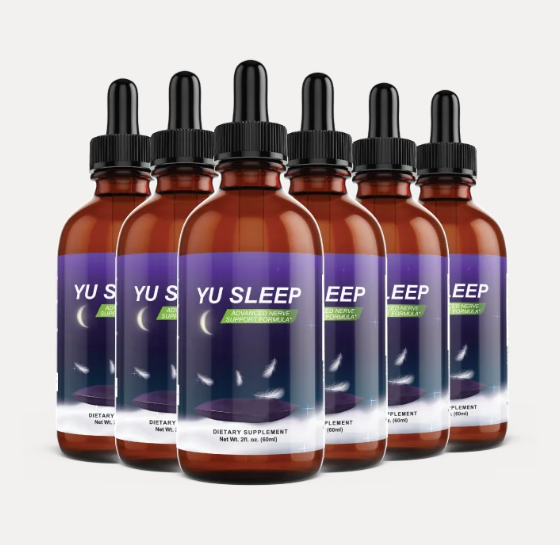
2 Bottles · 2-Month Supply
$69 / bottle
- ✓ You save $60 (30% off)
- ✓ 60-day money-back guarantee
- ✓ One-time payment, no subscription
Total: $198 $138 + shipping
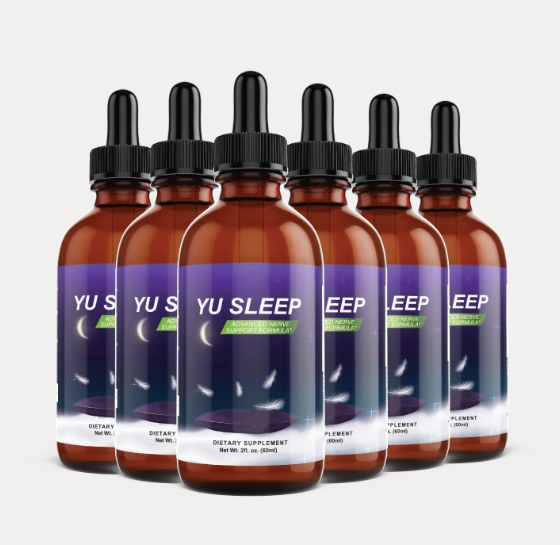
6 Bottles · 6-Month Supply
$49 / bottle
- ✓ You save $300 — biggest discount
- ✓ 60-day money-back guarantee
- ✓ 3 free bonus guides included
- ✓ Free shipping
Total: $594 $294 · free shipping
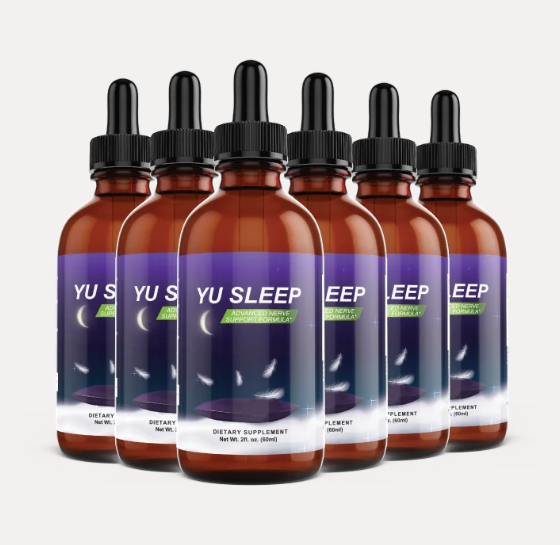
3 Bottles · 3-Month Supply
$59 / bottle
- ✓ You save $120 (40% off)
- ✓ 60-day money-back guarantee
- ✓ 3 free bonus guides included
- ✓ Free shipping
Total: $297 $177 · free shipping
Prices and package details shown are pulled directly from Yu Sleep’s official order page and can change — click any package above to see live current pricing.
One thing worth flagging clearly: unlike some competing sleep supplements, Yu Sleep does not offer a single-bottle trial size. The smallest available purchase is the 2-bottle / 2-month package at $138. The vendor’s stated reasoning is that a “sleep pressure system reset” takes 2–6 months of consistent use, and they’d rather not sell a bottle that runs out before it can work. That may well be genuine — but it also means your minimum financial commitment to try Yu Sleep is considerably higher than a $20–$30 single-bottle trial you’d find with many competing products, even though the 60-day guarantee does soften that risk considerably.
Money-Back Guarantee and Refund Policy
Yu Sleep is backed by a 60-day, no-questions-asked money-back guarantee, stated directly on the official order page and its FAQ section. In practical terms, that means you have a full two months from the date of purchase to decide whether the formula is working for you, and to request a full refund if it isn’t — regardless of package size. Because the minimum purchase is two bottles, the guarantee is doing real work here: it’s what turns a higher-than-average up-front cost into a genuinely low-risk way to test the formula, provided you keep track of your purchase date and follow whatever return process is listed on the order confirmation.
Who Might Consider Yu Sleep, and Who Should Be Cautious
Based on everything above, Yu Sleep is most reasonably suited to adults 50 and older who deal with mild-to-moderate, occasional sleep trouble, prefer a liquid dropper over swallowing pills, are interested in a multi-ingredient natural approach rather than a single-compound product, and are comfortable committing to at least a 2-month package upfront in exchange for the 60-day guarantee as a safety net.
It’s a reasonable choice to skip, or at least approach with extra caution, if you currently take an SSRI, SNRI, or any other serotonergic medication — the 5-HTP interaction risk discussed above is real and worth a conversation with your doctor or pharmacist first, not an afterthought. The same goes if exact per-ingredient dosing matters to you before you’re willing to buy, since nine of the ten ingredients here are undisclosed; or if you’d strongly prefer to trial a single bottle before committing financially, since that option simply isn’t offered.
None of these are reasons to conclude Yu Sleep is a bad product outright — they’re the specific, factual tradeoffs this particular formula asks you to accept, and different readers will reasonably weigh them differently depending on their own health situation and risk tolerance.
Tips for Getting the Most Out of Yu Sleep
If you decide to try it, a few practical notes based on the label instructions and general sleep-hygiene research can help you get a fair read on whether it’s working for you. Take it consistently at the same time each night, roughly 30 minutes before your intended bedtime, rather than sporadically — several of the ingredients (magnesium glycinate, tart cherry, lemon balm) are the kind that build a cumulative effect over days to weeks rather than knocking you out on night one. Pair it with basic sleep-hygiene habits you likely already know but may not be consistent about: a cool, dark room, no screens for 30–60 minutes before bed, and a consistent wake time even on weekends. And track your sleep for at least the first two to three weeks — whether that’s a simple paper log or a wearable device — so you have an objective before-and-after picture rather than relying on memory alone, which tends to be unreliable for something as subjective as “how well did I sleep.”
Pros
- Ten recognized, non-gimmicky sleep-support ingredients, including several (melatonin, magnesium glycinate, L-theanine, tart cherry) with genuine published research behind them
- Liquid dropper format allows easier dose adjustment than a fixed-dose capsule, which may suit some older adults better
- A strong, clearly-stated 60-day, no-questions-asked money-back guarantee
- Not a subscription — you pay once per order, with no recurring auto-ship charges
Considerations
- Only 1 of 10 ingredient doses (melatonin) is disclosed on the label — you cannot verify the rest are present in clinically meaningful amounts
- No manufacturer name, company, or contact address is disclosed anywhere on the official sales page
- Contains 5-HTP, which carries a real interaction risk with SSRI/SNRI antidepressants — a caution not mentioned on the sales page itself
- No single-bottle trial option; minimum purchase is a 2-bottle, $138 package
- No independently-verified customer reviews or third-party reputation trail that we could locate
Frequently Asked Questions
How long does it take to notice a difference with Yu Sleep?
The vendor states most people notice improvement within the first 3–7 nights, with full “sleep pressure system” restoration claimed to take 3–6 months of consistent use. We’d treat the short-term claim as plausible for some of the faster-acting ingredients (melatonin, L-theanine) and the longer-term claim as unverified, since no independent long-term study of the finished formula exists.
Is Yu Sleep a subscription?
No. Every package is a single, one-time payment. There is no auto-ship or recurring billing — but note that the smallest available package is 2 bottles, not 1.
Is Yu Sleep safe for older adults?
For most healthy older adults, the individual ingredients in Yu Sleep are generally recognized as safe at typical supplement doses. The one specific concern we’d flag for this age group is the 5-HTP and SSRI/SNRI antidepressant interaction discussed above — if that applies to you, check with your doctor or pharmacist before starting. As with any new supplement, it’s also worth a quick mention to your physician if you take other prescription medications regularly.
What if Yu Sleep doesn’t work for me?
It’s covered by a 60-day, no-questions-asked money-back guarantee stated directly on the order page. You have 60 days from purchase to request a full refund if you’re not satisfied.
How fast will I receive my order?
The vendor states orders ship within 24 hours in discreet packaging, arriving in 5–7 business days within the U.S. and 15–21 business days internationally.
Can I take Yu Sleep alongside my regular medications?
Individually, yes for most common medications — but the 5-HTP content specifically interacts with serotonergic antidepressants (SSRIs/SNRIs), and combining any new supplement with prescription medication is always worth a quick check with your doctor or pharmacist first, particularly given how many ingredients are included at undisclosed doses.
Can Yu Sleep help with brain fog?
Possibly, indirectly — if poor sleep is the main driver of your brain fog, improving sleep quality could reasonably help with the mental cloudiness that comes from it. But brain fog has several other common causes (blood sugar swings, thyroid issues, nutrient deficiencies, stress, dehydration) that a sleep supplement wouldn’t address at all, so it’s worth figuring out what’s actually behind yours before assuming better sleep alone will fix it. We break down the full list of common causes in our guide to brain fog.
Is Yu Sleep’s 0.9 mg melatonin dose enough to actually help?
It’s on the low end of what research supports, but not an unreasonable choice — low doses in the 0.5–3 mg range are actually the more evidence-aligned starting point for melatonin, since higher doses haven’t been reliably shown to work better and can raise the odds of next-day grogginess. So 0.9 mg is a deliberate, defensible dose rather than a “fairy dust” amount, though it also means Yu Sleep isn’t relying on melatonin alone — it’s counting on the combination with its other, undisclosed-dose ingredients. Our melatonin dosage guide covers how doses compare across use cases if you want the fuller picture.
How does the magnesium glycinate in Yu Sleep compare to a standalone magnesium supplement?
Magnesium glycinate is a legitimate, well-regarded choice for sleep — it’s generally gentle on the stomach and is the form most commonly recommended for this use. The catch is the same one that runs through this whole review: Yu Sleep doesn’t disclose how much magnesium glycinate is actually in each dose, so there’s no way to know whether it’s close to the 200–300 mg range used in most sleep research or a much smaller supporting amount. If dosing transparency matters to you, a standalone magnesium glycinate supplement lets you control and verify the amount directly — see our guide to magnesium for sleep dosage for specifics.
Why doesn’t Yu Sleep disclose all of its ingredient doses?
The vendor doesn’t publicly explain this, and there’s no way for us to confirm the reason. Some supplement makers cite proprietary-blend concerns; others simply choose not to disclose. Whatever the reason, the practical effect is the same for a buyer: you can verify the melatonin content (0.9 mg) but not the other nine ingredients, and that’s a legitimate factor to weigh before ordering.
Where’s the safest place to buy Yu Sleep?
Directly through the official order page linked in this article, which routes through ClickBank — a long-established, legitimate payment processor that enforces its own buyer protections independent of the seller. We would not recommend purchasing Yu Sleep through third-party marketplaces or unofficial resellers, where neither the product’s authenticity nor the refund policy can be guaranteed.
If the ingredient lineup appeals to you, you’re comfortable with the transparency gaps outlined throughout this review, and you don’t take a serotonergic antidepressant, the guarantee makes Yu Sleep a reasonably low-risk way to test whether it helps your sleep. If exact ingredient dosing matters to you, if you’d prefer a company that discloses who makes its product, or if you take an SSRI or SNRI, those are legitimate reasons to look at other options before ordering. Whatever you decide, confirm the current price, package details, and guarantee terms on the official order page before purchasing, since those can change.
Pricing, package contents, and guarantee terms reflect what was listed on the official order page as of our last verification and are subject to change — always confirm current details on the official site before ordering.
Affiliate Disclosure: The Health Primer earns a commission if you purchase through links in this article. This never affects our independent evaluation — see our Review Methodology.