Does Yu Sleep Really Work? An Honest Look at Its 10-Ingredient Sleep Formula
So, does Yu Sleep work? The honest answer is “it might help some people a little, but nobody can promise it will help you.” Yu Sleep (often typed as “YuSleep”) is a liquid dropper supplement that combines ten familiar sleep-support ingredients. Several of them, melatonin in particular, have reasonable research behind them on their own. What has not been published, as far as we could find, is any clinical trial of the finished Yu Sleep formula, and the company states the exact dose of only one of the ten ingredients.
That combination, decent ingredients with an unproven total product, is the whole story of this article. We are an independent review site, and we have not tested the product ourselves. What follows is a plain-language look at what sleep supplements can realistically do, what the evidence says about each main ingredient, what to expect on a timeline, and when a supplement is the wrong tool. If you want the full product breakdown first, start with our complete Yu Sleep review.
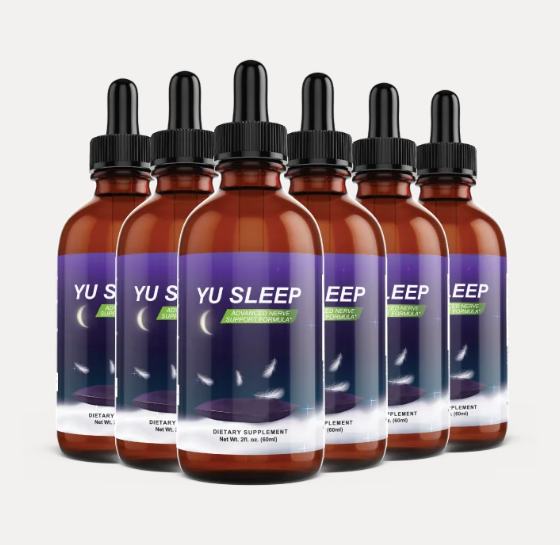
2 Bottles · 2-Month Supply
$69 / bottle
- ✓ You save $60 (30% off)
- ✓ 60-day money-back guarantee
- ✓ One-time payment, no subscription
Total: $198 $138 + shipping
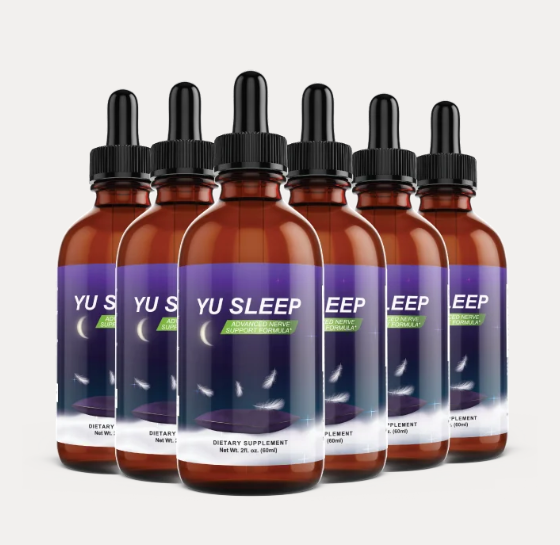
6 Bottles · 6-Month Supply
$49 / bottle
- ✓ You save $300 — biggest discount
- ✓ 60-day money-back guarantee
- ✓ 3 free bonus guides included
- ✓ Free shipping
Total: $594 $294 · free shipping
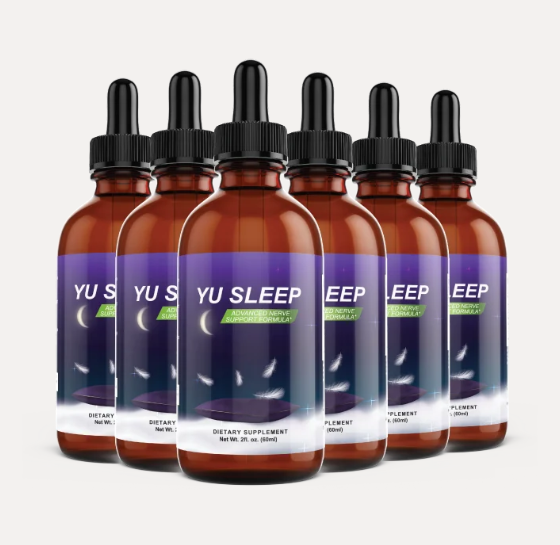
3 Bottles · 3-Month Supply
$59 / bottle
- ✓ You save $120 (40% off)
- ✓ 60-day money-back guarantee
- ✓ 3 free bonus guides included
- ✓ Free shipping
Total: $297 $177 · free shipping
Prices and package details shown are pulled directly from Yu Sleep’s official order page and can change — click any package above to see live current pricing.
Tier summary, at the time we checked and subject to change: the Starter package is 2 bottles at $69 each ($138 plus shipping). The Most Popular package is 3 bottles at $59 each ($177, free shipping, three free bonus guides). The Best Value package is 6 bottles at $49 each ($294, free shipping, three free bonus guides). All are one-time payments with no subscription, and a 60-day money-back guarantee applies.
What Can a Sleep Supplement Realistically Do?
Before asking whether Yu Sleep works, it helps to set a fair bar for any sleep supplement. Over-the-counter sleep aids are not sleeping pills in the prescription sense. The best-studied ones tend to produce modest changes: falling asleep somewhat sooner, waking a little less, or feeling that sleep was slightly more restful. Studies of melatonin, for example, generally describe improvements measured in minutes rather than hours. That is not nothing for someone who lies awake every night, but it is very different from the dramatic “I sleep like a teenager again” stories that sales pages like to feature.
Supplements work best on “mild and occasional”
A supplement is a reasonable thing to try when your sleep trouble is mild or situational: a stressful few weeks, a shifted schedule, travel, or a general sense that your sleep has become lighter with age. It is a poor match for long-running, severe insomnia, for sleep that is disrupted by pain, breathing problems, restless legs or medication side effects, or for sleep trouble that is part of low mood or anxiety. In those situations the underlying cause needs attention, and a bottle of drops will not fix it.
Sleep changes naturally after 50
It is also worth knowing that sleep architecture shifts as we age. Many adults over 50 spend less time in deep sleep, wake more easily, and feel sleepy earlier in the evening. Some of that is normal rather than a disorder. A product cannot turn back the clock, so expectations matter. The marketing for Yu Sleep talks about restoring a “sleep pressure system”; that is a real concept in sleep science (the body builds up a drive to sleep the longer you are awake), but there is no independent evidence that this particular formula resets it.
Does the Evidence Support Yu Sleep’s Main Ingredients?
The formula lists melatonin, magnesium glycinate, L-theanine, red tart cherry extract, 5-HTP, GABA, apigenin, lemon balm extract, vitamin B6 and vitamin B2. Here is how we would summarize the independent evidence for each, in general terms. We are describing the ingredients as studied elsewhere, not claiming anything about the amount inside a Yu Sleep dropper.
| Ingredient | General strength of evidence for sleep | Dose stated by Yu Sleep? |
|---|---|---|
| Melatonin | Strongest of the group, for falling asleep and for shifted body clocks | Yes (0.9 mg) |
| Magnesium glycinate | Modest and mixed; small studies, best in people who are low in magnesium | No |
| L-theanine | Mild relaxation effect in small studies | No |
| Red tart cherry | A few small studies, mostly using juice or concentrate | No |
| 5-HTP | Limited sleep-specific evidence; real interaction concerns | No |
| GABA | Disputed, because it is unclear how much reaches the brain | No |
| Apigenin | Mostly lab and animal work; thin human data | No |
| Lemon balm | Mixed results, often studied in combinations | No |
| Vitamins B6 and B2 | Indirect support only; not sleep aids on their own | No |
Read down that third column and the central problem is obvious. The ingredients with the strongest track records are exactly the ones where dose matters most, and for all but melatonin you cannot check the dose. For a deeper, ingredient-by-ingredient discussion, see our companion guide to the Yu Sleep ingredients.
Does Stacking 10 Ingredients Make a Sleep Formula Work Better?
It is tempting to assume more ingredients means more effect. In practice, it does not work that way, and there are three reasons to be a little skeptical of the “ten-ingredient” pitch.
1. Studies test ingredients one at a time
Almost all of the research on melatonin, magnesium, L-theanine and the rest looks at a single ingredient, sometimes two. Researchers rarely test a ten-way combination, so there is no body of evidence showing that these ten work better together than any one of them alone. The idea that they target “different parts of the sleep cycle” is a reasonable hypothesis, but it is a hypothesis.
2. Doses decide everything, and nine are unstated
Magnesium, L-theanine and tart cherry are typically studied at amounts of tens to hundreds of milligrams, which is hard to fit in a small liquid dose alongside nine other ingredients. A 60 mL bottle taken as two droppers a night has limited room. That does not prove the amounts are token; it means we simply cannot tell. A formula could contain a meaningful amount of one or two ingredients and trace amounts of the rest. Our main review notes that nine of the ten doses are not stated, and the manufacturer is not clearly named, so there is no obvious place to ask.
3. More ingredients means more things that can interact
Each active ingredient is one more possible interaction or side effect. Two deserve a flag here. 5-HTP raises serotonin and has a well-established risk of serotonin syndrome when combined with SSRI or SNRI antidepressants and certain other medicines. Melatonin can add to the effect of sedatives and may interact with blood thinners and diabetes medicines. If you take any prescription medication, ask a pharmacist before starting.
None of this means the formula is bad. It means the “ten ingredients” headline is not, by itself, evidence that it works.
How Long Before You Would Notice Anything?
The vendor’s page describes improvement within the first several nights for some people and a longer “reset” over a few months. We would treat those two claims differently.
- First week: If any effect is going to come from the faster-acting ingredients, such as melatonin or L-theanine, it is plausible you would notice a difference in how easily you drift off within a few nights. Subtle or no change is also a perfectly ordinary outcome.
- Weeks two to four: This is a fair window to judge whether things like middle-of-the-night waking are changing. Sleep varies a lot from night to night, so one good or bad night tells you very little.
- Months two to six: The vendor suggests a longer period for full benefit. We could not find independent long-term evidence on the finished formula, so we would not assume that waiting longer will help. If nothing has changed by the end of the guarantee window, that is useful information.
How to judge it fairly
Keep a simple sleep log for two weeks before you start, and then keep going once you begin. Note when you went to bed, roughly how long it took to fall asleep, how many times you woke, and how you felt in the morning. Memory is a poor judge of sleep, and a log protects you from both wishful thinking and from dismissing a real improvement. If you use a wearable, remember that consumer devices estimate sleep stages and are not precise.
Price is part of the fairness question. At the time we checked, the smallest package was two bottles at $138 plus shipping, and the larger packages lower the per-bottle price. The 60-day guarantee is the main safety net, so it is worth deciding in advance what “working” means for you, and noting your purchase date. We cover that in more detail in our look at whether Yu Sleep is a scam or legitimate.
Which Sleep Habits Matter More Than Any Supplement?
If we could give one piece of advice, it would be this: the habits below have better evidence behind them than any drop, capsule or tea, and they are free. For ongoing insomnia, major medical guidelines point to cognitive behavioral therapy for insomnia (often called CBT-I) as a first-line approach, ahead of medication or supplements. It is a structured program delivered by a trained clinician or a well-designed digital course.
Foundations worth getting right
- A steady wake time. Getting up at about the same time every day, including weekends, anchors your body clock more than a perfect bedtime does.
- Morning light. Daylight in the first hour or two after waking helps set the clock that makes you sleepy later.
- Caffeine and alcohol. Caffeine can linger for many hours, and alcohol may make you drowsy but tends to fragment sleep in the second half of the night. Many people over 50 become more sensitive to both.
- A cool, dark, quiet room. Small things such as a nightlight in your line of sight or a warm bedroom can matter.
- Wind-down time. Dimmer light and no stimulating screens or news for the last 30 to 60 minutes before bed.
- Out of bed when you cannot sleep. If you are awake and frustrated for a long stretch, getting up and doing something calm until you feel sleepy retrains your brain to link the bed with sleep.
Early waking is a special case
Waking in the small hours is extremely common in midlife and later, and the causes range from stress and alcohol to nighttime bathroom trips and blood sugar. Our guide to waking up at 3am every night goes through the common causes in more detail. If you try Yu Sleep, treat it as an add-on to these habits, not as a replacement for them.
Who Is Unlikely to Benefit From Yu Sleep?
A product can be reasonable and still be wrong for you. Based on what we know about the formula and the way sleep problems work, these readers are the least likely to get what they hope for.
- People with chronic, severe insomnia. If you have trouble sleeping most nights for months, a supplement is unlikely to be enough, and it deserves a medical conversation.
- Anyone taking an SSRI, SNRI or other serotonergic medicine. The 5-HTP content is a genuine reason to check with your doctor or pharmacist first, or to choose a different product. Our main review flags the same concern.
- People who want to know exactly what and how much they are taking. With nine of ten doses unstated, you cannot match the amounts to the research or compare it with a single-ingredient product.
- People whose sleep is disrupted by another condition. Pain, reflux, frequent urination, restless legs and sleep apnea all fragment sleep. Drops for relaxation will not address them.
- Anyone who expects a quick, strong effect. If you want the feeling of a prescription sleep medicine, this is not that.
Who might reasonably try it
Adults who have mild, occasional sleep trouble, who prefer a liquid to pills, who have checked their medications and health conditions with a professional, and who like that the guarantee limits the financial risk. That group is the one for whom a trial is sensible rather than reckless. If you want a flavor of what other buyers tend to raise, our write-up on Yu Sleep reviews and complaints covers the recurring themes.
When Should You See a Doctor About Your Sleep?
Sleep problems are common, but some patterns should not be handled with over-the-counter products alone. Please speak with a doctor or other clinician if any of the following apply.
- You have had trouble sleeping at least three nights a week for a month or more, or it is affecting your daytime mood, memory, driving or safety.
- Your partner notices loud snoring, pauses in breathing or gasping, or you wake with a dry mouth, headaches or unexplained daytime sleepiness. These can be signs of sleep apnea, which is common after 50 and needs proper evaluation. Sedating supplements are not a good idea until it is checked.
- You have an urge to move your legs in the evening that eases when you move, or your legs jerk at night. That may be restless legs syndrome, which can be linked with low iron and some medicines. Our page on leg cramps at night separates cramps from other causes.
- Low mood, anxiety, or persistent worry is keeping you up, or you feel hopeless.
- You take several prescription medicines, have a heart, liver or kidney condition, are pregnant or breastfeeding, or are scheduled for surgery.
Bring your sleep log, a list of every medicine and supplement you take, and the Yu Sleep ingredient list if you are considering it. A five-minute check with a pharmacist is often enough to rule out the main interaction worries. If you take it and notice next-day grogginess, dizziness, headaches, unusual mood changes or anything that worries you, stop and speak to a clinician. Do not drive or use machinery until you know how a new sleep product affects you.
Frequently Asked Questions
Does Yu Sleep work for everyone?
No sleep supplement does. Individual responses vary widely, and Yu Sleep has no published clinical trial on the finished formula that we could find. Some people may notice easier sleep onset; others will notice nothing. The company’s customer stories are published by the company itself and are not independent evidence.
What do YuSleep results usually look like?
We cannot give a typical result, because there is no independent data on the finished product. In general, supplements like this tend to produce modest changes rather than dramatic ones, and any effect may be hard to separate from changes in habits you make at the same time.
How should Yu Sleep be taken?
According to the main review, the label directs two droppers about 30 minutes before bed, taken under the tongue or in water. Always follow the directions on the product you receive, and ask a pharmacist if you are unsure.
Is the 0.9 mg melatonin dose enough?
It sits in the low-dose range that research generally treats as reasonable, and lower doses are often a sensible starting point for older adults because higher amounts do not reliably work better and may leave you groggy. Our melatonin dosage guide covers how doses compare.
Can I take Yu Sleep with my medications?
That depends on the medicines. The main concerns are 5-HTP with antidepressants and some other serotonin-affecting drugs, and melatonin with sedatives, blood thinners and diabetes medicines. Check with your doctor or pharmacist before you start.
What if Yu Sleep does not work for me?
The official order page describes a 60-day money-back guarantee. Keep your order confirmation, note your purchase date, and follow the instructions it gives. We cannot confirm the details of the process beyond what the page states.
Should I use a single ingredient instead?
Possibly. A single-ingredient product lets you control the dose and change one thing at a time. For example, our guide to magnesium for sleep dosage explains typical ranges, which you cannot verify inside a multi-ingredient formula with unstated amounts.
Is it safe to take long term?
We could not find long-term safety data on the finished formula. Individual ingredients have different long-term profiles. If you plan to use any sleep product for months, mention it to your doctor at your regular visits.
Our Take
Does Yu Sleep work? It is a thoughtfully chosen list of familiar ingredients, delivered in a convenient liquid, with a clearly stated 60-day guarantee that lowers the risk of finding out. But the evidence that matters is missing: no published trial of the finished formula, nine of ten doses not stated, and a manufacturer that is not clearly identified. For a person with mild, occasional sleep trouble who has checked their medications, a trial backed by the guarantee is reasonable. For a person with chronic insomnia, probable sleep apnea, restless legs, an antidepressant prescription, or a need to know exact doses, the sensible first step is a conversation with a clinician, not a supplement.
Whatever you decide, put the basic habits in place first, track your sleep, and judge the product by your own log rather than by the sales page.
Related reading: Our full Yu Sleep review, the ingredient-by-ingredient guide, the look at customer reviews and complaints, and the guide to brain fog causes, which is worth reading if poor sleep leaves you foggy.
Disclosure: we may earn a commission if you buy through our links, at no extra cost to you, and it does not change our assessment. This article is general information, not medical advice.