Signs of High Blood Sugar to Know
If you’ve been feeling unusually thirsty, running to the bathroom more than normal, or just generally worn down, it’s worth knowing the signs of high blood sugar — because many of them are easy to dismiss as ordinary aging, stress, or a bad week rather than a signal that glucose levels need attention. High blood sugar, or hyperglycemia, can develop gradually in people with prediabetes or type 2 diabetes, which is exactly why the early signs are often subtle enough to go unnoticed for months or years. This guide covers what actually counts as high blood sugar, the early and later warning signs, when it becomes a medical emergency, and what to do if you recognize the pattern in yourself.
Quick answer: Common early signs of high blood sugar include increased thirst, frequent urination, fatigue, blurred vision, and headaches. With prolonged or more severe elevation, signs can progress to unexplained weight loss, slow-healing cuts, frequent infections, and numbness or tingling in the hands or feet. Extremely high blood sugar accompanied by nausea, vomiting, rapid breathing, confusion, or fruity-smelling breath is a medical emergency (diabetic ketoacidosis) and needs immediate care. If you notice a pattern of these signs, a simple fasting glucose or A1C blood test can confirm what’s going on.
What Actually Counts as “High Blood Sugar”?
Blood sugar, or blood glucose, is measured in milligrams per deciliter (mg/dL) in the United States. The American Diabetes Association and CDC use the following general reference ranges for a fasting blood glucose test:
| Fasting Blood Glucose | Category |
|---|---|
| Below 100 mg/dL | Normal |
| 100–125 mg/dL | Prediabetes (impaired fasting glucose) |
| 126 mg/dL or higher (on two separate tests) | Diabetes |
For a random (non-fasting) blood sugar check, a reading of 200 mg/dL or higher along with classic symptoms like excessive thirst or urination is generally considered diagnostic of diabetes. An A1C test, which reflects average blood sugar over roughly the past two to three months, is diagnosed as prediabetes at 5.7–6.4% and diabetes at 6.5% or higher. None of these numbers on their own tell you how you’ll feel day to day — two people with similar glucose readings can have very different symptom experiences, which is part of why paying attention to how your body feels, not just waiting for a lab result, matters.
Early Signs of High Blood Sugar
Increased Thirst (Polydipsia)
When blood sugar is elevated, the kidneys work to filter out the excess glucose, pulling extra water from the body along with it. This fluid loss triggers genuine dehydration and a persistent, hard-to-quench thirst that’s often one of the earliest noticeable signs.
Frequent Urination (Polyuria)
The same process that causes increased thirst also causes more frequent urination, since the kidneys are actively excreting the extra sugar and the water carried along with it. This can be especially noticeable overnight, disrupting sleep with repeated bathroom trips.
Fatigue
When glucose can’t move efficiently from the bloodstream into cells, either because of insufficient insulin or insulin resistance, cells are effectively starved of their main energy source even while blood sugar itself is elevated. The result is a persistent, hard-to-shake tiredness that doesn’t improve much with rest.
Blurred Vision
High blood sugar can cause fluid to shift in and out of the lens of the eye, temporarily changing its shape and affecting the eye’s ability to focus. This typically improves once blood sugar is brought back into a normal range, but recurring blurry vision is worth mentioning to a doctor rather than simply attributing it to needing new glasses.
Headaches
Both high and low blood sugar can cause headaches, making this symptom less specific on its own, but a headache that shows up alongside thirst, frequent urination, or fatigue adds to the overall pattern worth checking.
Signs That Develop With Prolonged High Blood Sugar
Unexplained Weight Loss
When the body can’t use glucose for energy effectively, it may begin breaking down fat and muscle for fuel instead, which can lead to noticeable weight loss even without any change in diet or exercise. This sign tends to appear with more significant, sustained elevation rather than mild or short-term spikes.
Slow-Healing Cuts and Frequent Infections
Elevated blood sugar can impair circulation and immune function over time, both of which slow wound healing and make infections, including skin infections, gum disease, and urinary tract infections, more frequent or harder to clear.
Numbness or Tingling in the Hands or Feet
Prolonged high blood sugar can damage small nerves over time, a condition called diabetic peripheral neuropathy, which often first appears as numbness, tingling, or a burning sensation in the feet before progressing further. If this describes what you’re noticing, our guide to peripheral neuropathy in feet covers causes, symptoms, and what helps in more depth.
Dry, Itchy Skin
Poor circulation and fluid loss from frequent urination can leave skin drier than usual, and elevated blood sugar has also been linked to increased skin itchiness in some people, particularly around the lower legs.
When High Blood Sugar Becomes a Medical Emergency
Very high blood sugar, particularly in people with type 1 diabetes or advanced type 2 diabetes, can lead to diabetic ketoacidosis (DKA), a serious and potentially life-threatening complication. According to the Mayo Clinic, warning signs of DKA include excessive thirst, frequent urination, nausea and vomiting, abdominal pain, weakness or fatigue, shortness of breath, fruity-smelling breath, and confusion. A related but distinct emergency in older adults with type 2 diabetes, called hyperosmolar hyperglycemic state (HHS), involves extremely high blood sugar with severe dehydration and can cause confusion or altered consciousness without the fruity breath typical of DKA. Either set of symptoms warrants immediate emergency medical care rather than waiting to see a regular doctor.
What Causes Blood Sugar to Spike
Meals High in Refined Carbohydrates
Foods that break down quickly into glucose, such as white bread, sugary drinks, and pastries, cause a faster and larger rise in blood sugar than meals balanced with fiber, protein, and healthy fat, which slow digestion and glucose absorption.
Insulin Resistance, Prediabetes, and Type 2 Diabetes
When cells stop responding normally to insulin, the hormone responsible for moving glucose out of the bloodstream, blood sugar stays elevated for longer after eating and can creep up even between meals. Our guides on insulin resistance symptoms and how to reverse insulin resistance cover this process and realistic steps to address it.
Illness, Infection, and Stress
The body releases stress hormones like cortisol and adrenaline during illness, injury, or acute stress, and these hormones raise blood sugar as part of the body’s fight-or-flight response, sometimes significantly, even in people who don’t otherwise have diabetes.
Certain Medications
Steroid medications (corticosteroids), some diuretics, and certain antipsychotic and antidepressant medications can raise blood sugar as a side effect. Anyone on these medications who notices new symptoms of high blood sugar should mention it to the prescribing doctor rather than stopping medication on their own.
The Dawn Phenomenon
Many people, particularly those with diabetes or prediabetes, experience a natural rise in blood sugar in the early morning hours as the body releases hormones that prepare it for waking, an effect known as the dawn phenomenon. This can produce a fasting glucose reading that’s higher than expected even after a full night without eating.
How High Blood Sugar Is Diagnosed
A doctor can confirm high blood sugar through a fasting plasma glucose test, a random glucose test, an oral glucose tolerance test (which measures blood sugar before and after drinking a sugary solution), or an A1C blood test reflecting longer-term averages. If you want a rough, at-home starting point for understanding your own A1C-range numbers, our A1C Calculator can help translate between A1C percentage and estimated average glucose, though it isn’t a substitute for an actual lab test.
Monitoring Blood Sugar at Home
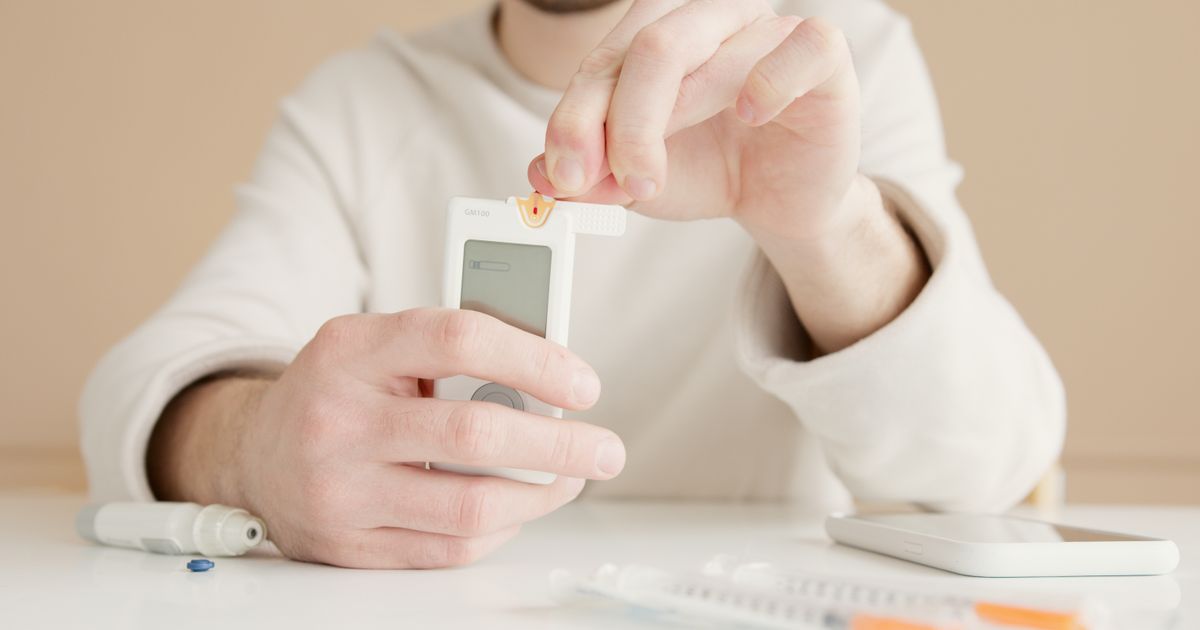
For people already diagnosed with prediabetes or diabetes, a home glucose meter or continuous glucose monitor (CGM) can make these signs far less of a guessing game. A traditional meter gives a single point-in-time reading from a finger-prick blood sample, while a CGM uses a small sensor worn on the skin to track glucose continuously throughout the day and night, showing trends and spikes that a single fingerstick would miss entirely, such as a rise after a specific meal or the dawn phenomenon described above. CGMs were originally developed for people using insulin, but they’ve become increasingly available and useful for people with prediabetes or type 2 diabetes who want a clearer picture of which foods, activities, or times of day affect them most. Neither tool replaces a doctor’s diagnosis or an A1C test, but both can help connect the dots between a symptom you’re feeling and what your blood sugar was actually doing at the time.
What to Do If You Notice These Signs
If you’re experiencing several of the early signs above, particularly increased thirst, frequent urination, and fatigue together, the most useful next step is a simple blood test rather than trying to self-diagnose from symptoms alone, since many of these signs overlap with other conditions. If you already have a glucose meter, checking your fasting level and your level about two hours after a meal can give you and your doctor useful information ahead of an appointment. Keeping a brief log of when symptoms occur relative to meals, activity, and medication timing can also help identify patterns worth discussing.
Blood Sugar and Aging
Insulin sensitivity naturally tends to decline somewhat with age, and age-related changes in muscle mass, activity level, and body composition all play a role in why type 2 diabetes and prediabetes become more common after 50. This doesn’t mean elevated blood sugar is simply an inevitable part of aging to accept without action — regular movement, particularly resistance training, along with dietary patterns that limit rapid glucose spikes, remain effective at any age for improving insulin sensitivity and managing blood sugar.
Frequently Asked Questions
Can you have high blood sugar without any symptoms at all?
Yes, and this is actually common, especially in the earlier stages of prediabetes or type 2 diabetes. Blood sugar can be mildly to moderately elevated for months or years before symptoms become noticeable enough to prompt a doctor’s visit, which is part of why routine screening, rather than waiting for symptoms, is recommended for people with risk factors like excess weight, a family history of diabetes, or being over 45.
How high does blood sugar need to be before symptoms show up?
There’s no single universal threshold, since symptom sensitivity varies by person, but symptoms like increased thirst and urination typically become more noticeable once fasting glucose is persistently above roughly 180–200 mg/dL, though some people notice subtler signs at lower levels.
Is high blood sugar the same thing as diabetes?
Not necessarily. High blood sugar (hyperglycemia) is a finding that can happen temporarily due to illness, stress, certain medications, or a single high-carbohydrate meal, while diabetes is a diagnosis based on blood sugar being elevated persistently, confirmed through repeated testing using the diagnostic criteria above.
Can stress alone cause the signs of high blood sugar?
Yes, acute stress raises cortisol and adrenaline, both of which can push blood sugar up temporarily even in someone without diabetes. This is usually short-lived, but chronic, ongoing stress can contribute to more persistent elevation over time, particularly in someone who already has insulin resistance.
What should I do if I think I’m having a diabetic emergency?
Symptoms like confusion, difficulty breathing, persistent vomiting, or fruity-smelling breath alongside very high blood sugar warrant calling emergency services or going to an emergency room immediately rather than waiting for a regular appointment or trying to manage it at home.
Recognizing the signs of high blood sugar early — particularly the easy-to-dismiss trio of increased thirst, frequent urination, and fatigue — gives you a real head start on getting tested and, if needed, making changes before more serious complications develop. If any of this sounds familiar, a simple conversation with your doctor and a basic blood test is the most direct way to find out where you actually stand.
Related Reading
If you’re wondering whether insulin resistance is behind these signs, see insulin resistance symptoms and how to reverse insulin resistance.
Worried about the opposite problem? See low blood sugar symptoms.
If you’re managing prediabetes, our prediabetes diet guide covers what to eat and avoid.
Estimate your average glucose from an A1C result with our A1C Calculator.
Metformin is one of the most common treatments for elevated blood sugar — see metformin side effects: what to expect.
If diet and metformin alone aren’t enough, see our guide to glipizide side effects for a common next-step medication.
If lifestyle changes and metformin alone are not enough to keep blood sugar in range, your doctor may prescribe an additional medication — see our guide to Januvia side effects to learn what to expect from sitagliptin.
Want to recognize high blood sugar symptoms too? See Glyburide Side Effects.
If lifestyle changes alone aren’t enough, medications like Jardiance are sometimes added — see our Jardiance side effects guide to learn what to expect.
Numbness or tingling in your hands can be an early diabetes clue. See tingling in fingers for the full range of causes.
High blood sugar and fatty liver often go hand in hand — see Fatty Liver Disease Symptoms.
Wondering if elevated liver enzymes are related? See Elevated Liver Enzymes: Common Causes and When to See a Doctor.
High blood sugar is one of five metabolic syndrome markers. See Metabolic Syndrome Symptoms.
This article is for informational purposes only and is not medical advice. It is not a substitute for guidance from a licensed doctor. Talk to a healthcare provider about blood sugar testing, diagnosis, and treatment, and seek immediate medical care for signs of a diabetic emergency.