Peripheral Neuropathy in Feet: Causes, Symptoms, and What Actually Helps
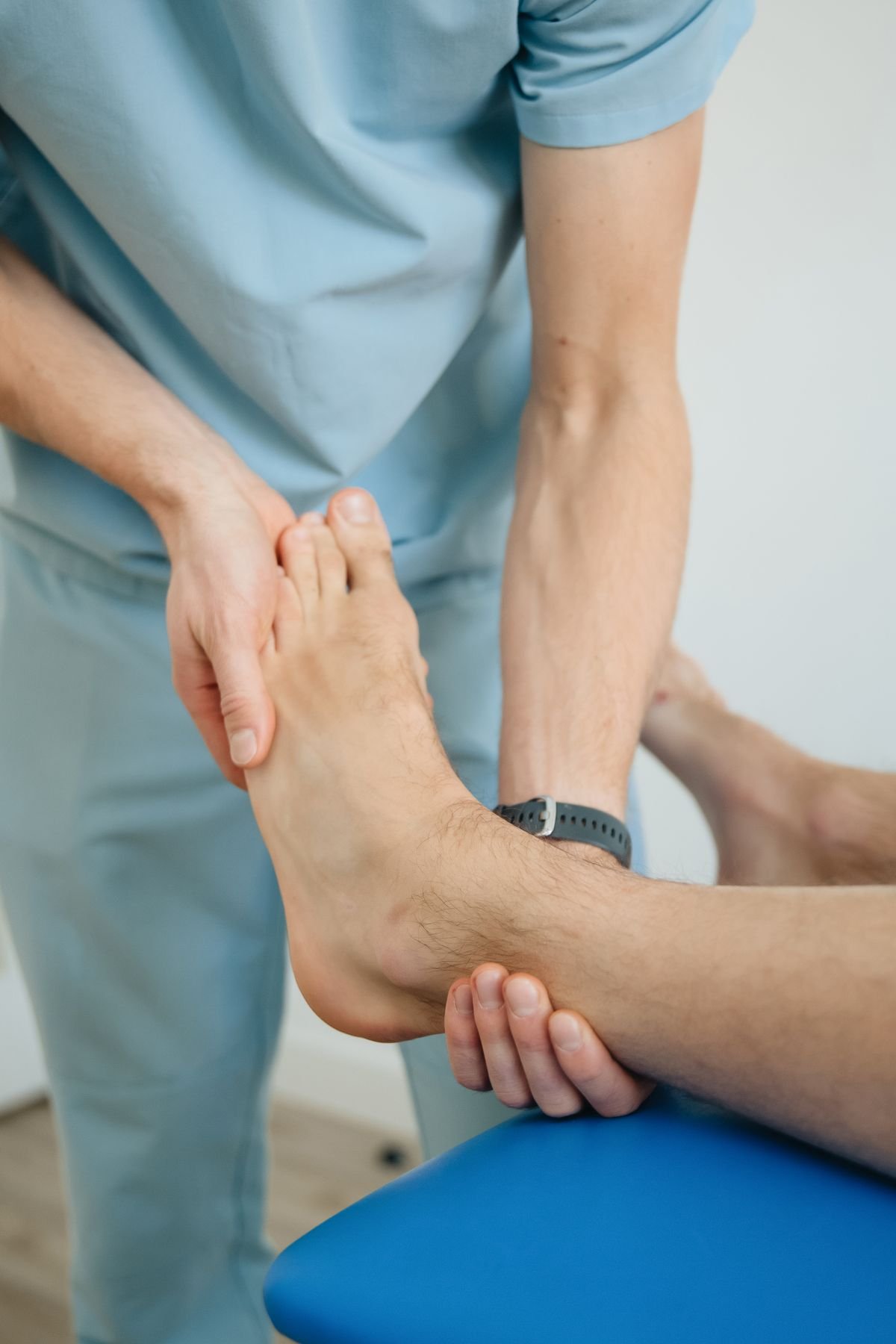
Tingling, numbness, or a burning sensation in your feet can be easy to dismiss at first—a foot that “fell asleep,” a tight pair of shoes, standing too long. But when these sensations become persistent, worsen at night, or start affecting your balance, they may be signs of peripheral neuropathy in feet: nerve damage affecting the peripheral nervous system, the network of nerves that carries signals between your brain, spinal cord, and the rest of your body. Because the feet are often the first and most affected area, understanding the causes, warning signs, and what actually helps can make a real difference in catching treatable causes early and managing symptoms that remain.
Quick answer: Peripheral neuropathy in the feet is most commonly caused by diabetes, but also results from alcohol use, vitamin deficiencies (especially B12), chemotherapy, autoimmune disease, infections, and in some cases an unknown (“idiopathic”) cause. Treatment focuses on addressing the underlying cause when possible, managing pain with medications like gabapentin or duloxetine, protecting the feet from injury since sensation is reduced, and physical therapy. Some forms are reversible if caught and treated early, which is why early evaluation matters.
What Is Peripheral Neuropathy?
Peripheral neuropathy refers to damage or dysfunction of the peripheral nerves—the nerves outside the brain and spinal cord that control movement, transmit sensation, and regulate involuntary functions like heart rate and digestion. Because these nerves can be affected in different combinations, symptoms vary depending on which type of nerve fiber is involved:
- Sensory nerves carry information about touch, temperature, and pain. Damage here causes numbness, tingling, or heightened sensitivity.
- Motor nerves control muscle movement. Damage here causes weakness, cramping, or muscle wasting.
- Autonomic nerves regulate involuntary functions. Damage here can affect blood pressure, digestion, and sweating.
Peripheral neuropathy often starts in the longest nerves in the body first—which is exactly why the feet are so frequently affected before the hands or other areas, in a pattern doctors sometimes describe as a “stocking and glove” distribution because it typically starts distally (in the feet or hands) and can progress upward over time.
What Causes Peripheral Neuropathy in the Feet?
There is no single cause of peripheral neuropathy—it is a symptom pattern that can result from dozens of underlying conditions. Identifying the specific cause matters because some are treatable or even reversible if caught early.
Diabetes
Diabetes is by far the most common cause of peripheral neuropathy, and diabetic neuropathy very often begins in the feet. Chronically elevated blood sugar damages the small blood vessels that supply nerves with oxygen and nutrients, gradually impairing nerve function. The risk and severity of diabetic neuropathy is closely tied to how well blood sugar has been controlled over time, which is one reason blood sugar management is central to both preventing and slowing this type of nerve damage.
Alcohol Use
Long-term heavy alcohol use can cause a form of neuropathy sometimes called alcoholic neuropathy, driven both by the direct toxic effect of alcohol on nerve tissue and by the nutritional deficiencies (particularly B vitamins) that often accompany chronic heavy drinking.
Vitamin Deficiencies
Deficiencies in vitamin B12, B6, B1 (thiamine), vitamin E, copper, and folic acid can all contribute to nerve damage. B12 deficiency in particular is a well-recognized and often correctable cause of neuropathy, which is one reason a basic blood panel is a standard early step in evaluating unexplained numbness or tingling.
Chemotherapy and Certain Medications
Some chemotherapy drugs are known to cause peripheral neuropathy as a side effect, a condition sometimes called chemotherapy-induced peripheral neuropathy. Certain antibiotics and other medications have also been associated with nerve damage in some patients.
Autoimmune Conditions and Infections
Autoimmune diseases, in which the immune system mistakenly attacks the body’s own tissue including nerves, can cause peripheral neuropathy. Certain infections—including Lyme disease, shingles, and HIV—are also recognized causes.
Idiopathic Neuropathy
In some cases, despite thorough testing, no clear cause is identified. This is referred to as idiopathic peripheral neuropathy. It does not mean nothing is wrong—it means the specific trigger has not been pinpointed, which can still leave room for symptom management even without a clearly reversible cause.
Other Risk Factors
Beyond the direct causes above, several factors raise the likelihood of developing peripheral neuropathy, including obesity, metabolic syndrome, kidney disease, liver disease, thyroid disorders, exposure to certain industrial or environmental toxins, repetitive physical motions or pressure on a nerve, and a family history of neuropathy. Having multiple risk factors at once—for example, diabetes combined with heavy alcohol use—can compound the risk and severity of nerve damage.
Symptoms of Peripheral Neuropathy in the Feet
Symptoms can develop gradually and are often subtle at first, which is part of why peripheral neuropathy is sometimes not identified until it has progressed. Common symptoms in the feet include:
- Tingling or a “pins and needles” sensation
- Numbness that may make it hard to feel your feet properly, especially in socks or shoes
- Burning, stabbing, or electric shock-like pain
- Increased sensitivity to touch, where even light contact (such as bedsheets) feels painful
- Loss of ability to sense temperature changes
- Muscle weakness or cramping in the feet or lower legs
- Balance problems or unsteadiness, particularly when walking on uneven surfaces or in the dark
Many people notice that symptoms are worse at night, which can significantly disrupt sleep—a pattern that overlaps with other causes of poor sleep, including the kind of underlying issues covered in our guide to common causes of brain fog after 50, since chronic pain and disrupted sleep often feed into each other.
Why Peripheral Neuropathy in the Feet Can Be Dangerous
Beyond discomfort, reduced sensation in the feet carries real safety risks that are worth taking seriously rather than simply tolerating.
- Unnoticed injuries: When you cannot feel pain or temperature properly, you may not notice a cut, blister, or burn on your foot until it has become significantly worse.
- Infection risk: Unnoticed wounds combined with, in many cases, impaired circulation from underlying conditions like diabetes create a higher risk of infections that can become serious, including a small but real risk of ulcers that are slow to heal.
- Falls: Numbness and muscle weakness both interfere with balance, and falls in older adults in particular carry a heightened risk of fracture and other injury.
This combination of risks is why daily foot checks are commonly recommended for anyone with peripheral neuropathy, particularly people with diabetes—checking for cuts, blisters, redness, or swelling that you might not otherwise feel.
How Is Peripheral Neuropathy Diagnosed?
Diagnosis typically starts with a physical and neurological exam, including tests of reflexes, muscle strength, and your ability to sense touch, vibration, and temperature. From there, a doctor may order additional testing depending on what is suspected, which can include:
- Blood tests to check blood sugar, vitamin B12 levels, thyroid function, kidney and liver function, and markers of autoimmune or infectious causes
- Electromyography (EMG) and nerve conduction studies, which measure electrical activity in muscles and nerves
- Nerve ultrasound or MRI imaging in certain cases
- Nerve biopsy, in select cases where the cause remains unclear
- Genetic testing, when an inherited neuropathy is suspected
The goal of this workup is not simply to confirm that neuropathy is present, but to identify the underlying cause where possible, since treatment differs significantly depending on whether the driver is, for example, uncontrolled blood sugar versus a vitamin deficiency versus a medication side effect.
Treatment Options for Peripheral Neuropathy in the Feet
Treating the Underlying Cause
When a specific cause is identified, addressing it directly is the most effective long-term strategy and, in some cases, can partially or fully reverse nerve damage. This might mean tighter blood sugar control for diabetic neuropathy, vitamin B12 supplementation for a documented deficiency, stopping or reducing alcohol use, or adjusting a medication that is contributing to nerve damage.
Medications for Nerve Pain
Several medication classes are commonly used to manage neuropathic pain, including anti-seizure medications such as gabapentin and pregabalin, certain antidepressants such as duloxetine and amitriptyline that also have pain-modulating effects independent of their effect on mood, and topical treatments like capsaicin cream or lidocaine patches applied directly to the affected area. These medications do not reverse nerve damage, but they can meaningfully reduce the pain and discomfort associated with it.
Physical and Occupational Therapy
Physical therapy can help maintain muscle strength, improve balance, and reduce fall risk, while occupational therapy can help with adapting daily activities to accommodate reduced sensation or weakness. Regular, appropriate exercise—generally 30 minutes to an hour, at least three times a week, as tolerated—is commonly recommended both for general nerve health and for managing conditions like diabetes that contribute to neuropathy.
Assistive Devices
For people with significant weakness or balance issues, devices such as braces, orthotic shoe inserts, or walkers can reduce fall risk and improve mobility and confidence when walking.
Surgery
In cases where neuropathy results from a compressed nerve—rather than a systemic condition like diabetes—surgical decompression may be an option to relieve pressure on the affected nerve.
Foot Care Tips for Peripheral Neuropathy
Because reduced sensation raises the risk of unnoticed injury, proactive foot care is one of the most important parts of managing peripheral neuropathy day to day:
- Check your feet daily for cuts, blisters, redness, swelling, or changes in skin color, using a mirror if needed to see the bottoms of your feet.
- Wear well-fitting, closed-toe shoes, and avoid walking barefoot, even at home, to reduce the risk of unnoticed injury.
- Treat even minor cuts or blisters promptly, and see a doctor if a wound does not begin healing within a few days.
- Avoid extreme temperatures on your feet—test bathwater with your hand rather than your foot, and be cautious with heating pads.
- Keep toenails trimmed carefully to avoid ingrown nails, which can become a source of unnoticed infection.
- Consider a podiatrist for routine foot care, particularly if you have diabetes, since specialized foot care can catch small problems before they become serious.
Can Peripheral Neuropathy Be Prevented?
While not all causes of neuropathy are preventable, several steps can reduce risk or slow progression, particularly for the most common causes:
- Managing blood sugar closely if you have diabetes or prediabetes
- Eating a nutrient-rich diet that supports adequate B-vitamin intake
- Limiting alcohol consumption
- Getting regular exercise
- Avoiding repetitive motions or prolonged pressure on the same nerve where possible
- Avoiding exposure to toxins and not smoking
When to See a Doctor
Because some causes of peripheral neuropathy are reversible if caught early, it is worth seeking evaluation at the first signs of persistent tingling, numbness, weakness, or unusual pain in your feet, rather than waiting to see if it resolves on its own. This is especially important if you have diabetes, have noticed a wound on your foot that is not healing, or have new balance problems or falls, since these can signal that intervention is needed sooner rather than later.
Peripheral Neuropathy vs. Restless Legs Syndrome
Peripheral neuropathy and restless legs syndrome (RLS) are often confused because both can cause uncomfortable sensations in the legs and feet, particularly at night, but they are distinct conditions with different underlying mechanisms. Peripheral neuropathy involves actual damage to peripheral nerves and typically causes numbness, tingling, or burning that is fairly constant, though it may be worse at certain times. Restless legs syndrome, by contrast, is a neurological condition characterized by an urge to move the legs, often accompanied by an uncomfortable, hard-to-describe sensation that is relieved by movement and tends to worsen specifically during rest or at night.
The two conditions can also occur together, and some of the same underlying issues—including iron deficiency, kidney disease, and diabetes—can contribute to both. If your primary symptom is an irresistible urge to move your legs that improves with walking or stretching, rather than persistent numbness or burning, restless legs syndrome may be the more likely explanation, and it is worth mentioning both possibilities to your doctor so the right condition is evaluated and treated.
Living With Peripheral Neuropathy: What to Expect
A neuropathy diagnosis does not mean life stops accommodating you—it means adjusting certain habits to protect your feet and manage symptoms while addressing the underlying cause where possible. Many people successfully manage peripheral neuropathy for years with a combination of medical treatment, careful foot care, and lifestyle adjustments, without it becoming a rapidly progressive or disabling condition.
That said, it is worth setting realistic expectations: for many people, especially those with longstanding diabetes-related neuropathy, the goal of treatment is more often to manage symptoms and prevent complications than to fully reverse the nerve damage that has already occurred. This is not a reason for discouragement—it is a reason to focus on the parts that are within your control, including blood sugar management, foot care, appropriate exercise, and staying consistent with any prescribed medications, all of which can meaningfully affect day-to-day comfort and long-term outcomes even when a full cure is not realistic.
Support from a care team that includes your primary doctor, and depending on your situation, a neurologist, endocrinologist, or podiatrist, tends to produce better outcomes than trying to manage a complex, multi-cause condition like peripheral neuropathy alone. Do not hesitate to ask for referrals if your current care does not feel like it is addressing your specific symptoms and concerns.
Frequently Asked Questions
Is peripheral neuropathy in the feet reversible?
It depends on the cause. Neuropathy caused by a reversible factor—such as a vitamin deficiency or a medication side effect—can sometimes improve substantially once the underlying issue is addressed. Neuropathy caused by long-standing diabetes or an unknown (idiopathic) cause is less likely to fully reverse, though symptom management can still meaningfully improve quality of life.
What is the fastest way to relieve neuropathy pain in the feet?
There is no single “fastest” fix, since effective management usually combines addressing the underlying cause with medication, and sometimes topical treatments like capsaicin cream or lidocaine patches for more immediate, localized relief. A doctor can help identify the combination most likely to help your specific situation.
Does peripheral neuropathy in the feet get worse over time?
This depends heavily on the cause and whether it is being actively managed. Uncontrolled diabetes, ongoing heavy alcohol use, or an unaddressed vitamin deficiency can allow neuropathy to progress, while treating the underlying cause can slow, stabilize, or in some cases improve symptoms.
Can vitamin B12 supplements help with neuropathy?
If your neuropathy is caused or worsened by a documented B12 deficiency, supplementation can help, sometimes significantly. If your B12 levels are already normal, there is less evidence that additional B12 will improve neuropathy from other causes, which is why testing rather than assuming is the more reliable approach.
What kind of doctor treats peripheral neuropathy in the feet?
A primary care doctor is a reasonable starting point and can order initial testing. Depending on the suspected cause and severity, you may be referred to a neurologist, an endocrinologist (particularly for diabetes-related neuropathy), or a podiatrist for specialized foot care.
Is walking good for peripheral neuropathy in the feet?
Regular, moderate exercise, including walking, is generally recommended as part of managing neuropathy and the conditions that often underlie it, such as diabetes. That said, proper footwear and careful attention to foot checks afterward are important, since reduced sensation means you may not immediately notice blisters or irritation from walking.
Related Reading
If nighttime nerve pain or discomfort is disrupting your sleep, our guides to magnesium for sleep and melatonin dosage cover evidence-based options for winding down.
Chronic pain and poor sleep can both contribute to daytime fog—see our guide to common causes of brain fog after 50 for a broader look at what might be going on.
Considering a sleep-support supplement? Our Yu Sleep review takes an honest look at one liquid formula’s ingredients, evidence, and pricing.
This article is for informational purposes only and is not medical advice. It is not a substitute for evaluation by a licensed doctor. If you are experiencing persistent numbness, tingling, weakness, or an unhealed wound on your foot, please seek medical care rather than relying on self-management alone.