Gluco6 Side Effects: Is It Safe With Diabetes Medication?
Gluco6 side effects are not well documented for the finished product, because no clinical trial on the Gluco6 capsule itself has been published. What can be said comes from the label, the safety record of its individual ingredients and the two specific flags in our main review: the Cassia cinnamon coumarin consideration and the high 1 mg chromium dose. The most important practical point for many adults over 50 is different from either: Gluco6 contains several ingredients that can lower blood sugar, so it may not be safe to start casually if you take diabetes medication.
So, is Gluco6 safe? For many healthy adults, the ingredients are generally well tolerated at typical supplement doses, but “generally well tolerated” is not “safe for everyone.” This guide goes through what to expect, who should be cautious, which symptoms need urgent care and what to check on the label. It builds on the details in our complete Gluco6 review. Nothing here is medical advice, and your doctor or pharmacist, who knows your medicines and history, is the right person to make the final call.
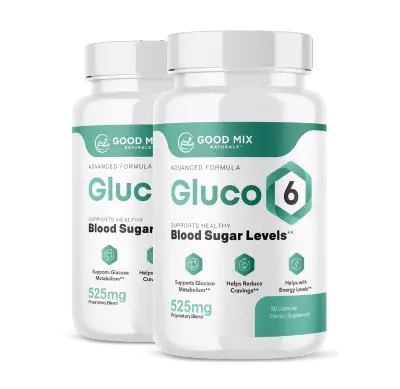
2 Bottles · 60-Day Supply
$69 / bottle
- ✓ Good starting point to test personal response
- ✓ Backed by the 60-day money-back guarantee
- ✓ Small shipping fee applies
Total: $138 + shipping
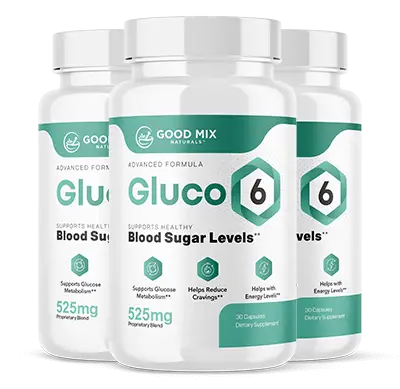
3 Bottles · 90-Day Supply
$49 / bottle
- ✓ Includes 2 free bonus eBooks (Sweetly Slim, Neuro Nourish)
- ✓ Backed by the 60-day money-back guarantee
- ✓ Free U.S. shipping
Total: $147, free shipping
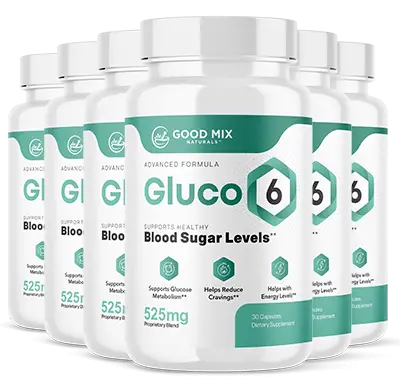
6 Bottles · 180-Day Supply
$39 / bottle
- ✓ Lowest available per-bottle price
- ✓ Includes 2 free bonus eBooks (Sweetly Slim, Neuro Nourish)
- ✓ Free U.S. shipping + 60-day guarantee
Total: $234, free shipping
Prices and package details shown are pulled from currently available marketing sources and can change — click any package above to see live current pricing on the official order page.
For reference, at the time we checked (prices can change): 2 bottles (60-day supply) at $69 per bottle, $138 plus a small shipping fee; 3 bottles (90-day) at $49 per bottle, $147 with free U.S. shipping and 2 free eBooks; 6 bottles (180-day) at $39 per bottle, $234 with free U.S. shipping and the same eBooks. Each carries a 60-day money-back guarantee. Check the official order page for current terms.
What Are the Known Gluco6 Side Effects?
Honest answer: there is no published list of side effects measured in people taking Gluco6, so we cannot give you rates or percentages. The label itself asks you to take one capsule a day, not to exceed the recommended dose, and to consult a physician if you take medication or manage a medical condition. It also states the product is not intended for anyone under 18 or for pregnant or nursing individuals.
Beyond that, what we can say is based on the ingredients. People who take a formula like this might notice:
- Digestive upset, such as stomach discomfort, gas or looser stools, which can happen with fibers like L-arabinose, with concentrated green tea extract, or when any new supplement is started on an empty stomach.
- Stimulant-type effects, such as jitteriness, a faster heartbeat, restlessness, headache or difficulty sleeping, which relate to caffeine-like compounds in the blend (green tea, theobromine, theacrine).
- Low blood sugar symptoms, mainly for people who also take glucose-lowering medicine.
- A sense of nothing at all, which is common and not harmful.
Individual reactions vary. If anything unexpected happens after you start, our main review advises stopping the product and consulting a healthcare provider. This is general advice for any supplement, not a replacement for individual guidance.
What Are the Two Safety Flags in Our Main Review?
Our main review highlights two specific points beyond the label’s own warnings. Both are worth understanding in some detail.
Flag 1: Cassia cinnamon and coumarin
The label lists Cassia cinnamon (Cinnamomum cassia), not Ceylon cinnamon, even though some promotional material describes the cinnamon as Ceylon. Cassia naturally contains coumarin, a compound that regulators, including Germany’s Federal Institute for Risk Assessment (BfR), have flagged for possible liver effects when intake is high and sustained over time. The main review stresses that this mainly applies at doses well above what a capsule-sized supplement would typically contain, but that it is harder to assess here because the cinnamon amount sits inside an undisclosed 525 mg proprietary blend.
In plain terms: for most people, the cinnamon in one capsule a day is unlikely to be the main concern. But if you already have a liver condition, take medicines that affect the liver or eat a lot of Cassia cinnamon in food, it is exactly the kind of detail to raise with your doctor.
Flag 2: The 1 mg chromium dose
Chromium appears as chromium niacinate at 1 mg, about 29 times the 35 mcg Daily Value. Chromium supplements are generally considered to have a good safety profile at typical supplemental doses, but a dose this far above the Daily Value is one to mention to your doctor, particularly if you have kidney or liver concerns. Chromium may also add to the effects of glucose-lowering medicine.
| Safety flag | Why it matters | Who should ask first |
|---|---|---|
| Cassia cinnamon (coumarin) | Sustained high intake is linked to possible liver effects; amount unknown in the blend | Anyone with liver conditions or who uses a lot of Cassia cinnamon |
| Chromium, 1 mg | Far above the Daily Value; can add to glucose lowering | Anyone with kidney or liver concerns, or on diabetes medicine |
Is Gluco6 Safe With Diabetes Medication? The Low Blood Sugar Risk
This is the heart of the safety question for many readers, so we want to be clear and unhurried.
Why a supplement can matter when you already take medicine
Prescription glucose-lowering drugs, and insulin in particular, are designed to bring blood sugar down. Several Gluco6 ingredients also have research showing a blood-sugar-lowering effect, including chromium, cinnamon, gymnema and green tea EGCG. When two things that lower blood sugar are combined, there is a real chance that levels fall further than intended, a condition called hypoglycemia. Our main review calls this risk usually mild but real.
This does not mean the combination is necessarily unsafe for you. It means your prescriber should be part of the decision, ideally with a plan to monitor your blood sugar more closely during the first weeks, as the main review suggests.
What this article will not do
We will not tell you to change, skip or reduce any medicine, and we will not give medication dosing advice. Doses of insulin and other diabetes drugs must be set by your clinician based on your own readings and history. If you think your medicine needs adjusting, that is a conversation for your care team, not a decision to make because of a supplement.
Common symptoms of low blood sugar
- Shakiness, trembling or a pounding heartbeat
- Sweating, clamminess or sudden hunger
- Dizziness, light-headedness or blurred vision
- Irritability, anxiety or unusual mood changes
- Confusion, trouble concentrating or slurred speech
- In severe cases, fainting or seizures
If you take glucose-lowering medicine, ask your doctor in advance what to do when readings are low, and follow that plan. Severe symptoms such as confusion that does not clear, fainting or a seizure are emergencies: call your local emergency number.
Some people without diabetes can feel low too
People who do not take medication are less likely to have a true hypoglycemic event from these ingredients, but they can still feel unwell if they eat very little while taking a supplement that may nudge glucose down. Take it as directed, with regular meals unless your clinician advises otherwise.
How Well Tolerated Is Each Gluco6 Ingredient?
Here is a plain-language tolerability overview, based on well-established general knowledge plus the details in our main review. Remember that doses inside the blend are not disclosed.
| Ingredient | General tolerability | Points to watch |
|---|---|---|
| Vitamin D3 (50 mcg) | Generally well tolerated; well below the upper limit | Check total vitamin D from all supplements |
| Vitamin B1 (100 mg) | Water-soluble; wide safety margin | Very high versus Daily Value; mention to your doctor |
| Chromium niacinate (1 mg) | Generally well tolerated at typical supplement doses | Far above Daily Value; kidney and liver concerns; can add to glucose lowering |
| Sukre (L-arabinose) | Generally mild | Possible gas or loose stools with fibers |
| Theobromine | Mild stimulant, generally recognized as safe | Sleep, heart rhythm and stimulant sensitivity |
| Green tea extract (65% EGCG) | Usually tolerated at moderate amounts | Contains some caffeine; concentrated extracts at high doses have been linked to liver issues in rare cases |
| Eleuthero root | Usually tolerated | Ask a pharmacist about interactions with regular medicines |
| Theacrine (TeaCrine) | Studied for alertness with generally mild effects | Adds to stimulant load |
| Cassia cinnamon | Fine in culinary amounts | Coumarin with sustained high intake; liver concerns |
| Gymnema sylvestre | Generally tolerated in studies | Can add to glucose lowering |
For a full breakdown of what each one does, see our guide to Gluco6 ingredients and the proprietary blend.
Could the Stimulant-Type Ingredients in Gluco6 Cause Problems?
Green tea, theobromine and theacrine are not the same as a strong coffee, and the label does not list caffeine. But they act in the same general family and their effects can stack, especially if you also drink coffee, tea or energy drinks.
Who may notice them most
- People who are caffeine-sensitive or who sleep lightly.
- People with anxiety, palpitations or an irregular heartbeat.
- People with high blood pressure, who should ask a clinician about stimulant-type ingredients.
Practical tips
- Take the capsule as the label directs, which is one a day, and do not increase it.
- Consider the timing in relation to caffeine and bedtime, and note any sleep changes in your log.
- If you feel jittery, flushed or have a racing heart, stop and consult a healthcare provider.
Who Should Avoid Gluco6 or Ask a Doctor First?
The following groups should not start Gluco6 without professional guidance, and some should not use it at all according to the label.
- Anyone taking insulin or other glucose-lowering medication: because of the hypoglycemia risk, discuss monitoring with your prescriber first.
- Anyone with diabetes or prediabetes: your care plan should be set by your doctor, and a supplement should only be added with their agreement.
- Pregnant or nursing individuals and anyone under 18: the label advises against use.
- Anyone with liver disease or liver concerns: because of the coumarin question around Cassia cinnamon, plus green tea extract.
- Anyone with kidney disease or kidney concerns: because of the high chromium dose.
- People on several regular medicines, including blood thinners: a pharmacist can check herbal ingredient interactions.
- People scheduled for surgery or medical procedures: tell the team about all supplements you take, since some affect blood sugar.
- Anyone sensitive to stimulants or with heart rhythm or blood pressure issues.
If you are unsure which group you fall into, it is reasonable to ask. A short call to a pharmacist is free in most places and can save you a problem.
Which Symptoms Need Urgent Medical Care?
Signs of high blood sugar that need medical attention
- Intense thirst and frequent urination
- Blurred vision, unusual fatigue or slow-healing sores
- Nausea, vomiting, stomach pain, a fruity smell on the breath, rapid breathing or confusion, which can signal a serious emergency
Our guide to signs of high blood sugar explains the early warning signs in more detail. A supplement should never delay getting these checked.
Signs of low blood sugar
- Shakiness, sweating, sudden hunger or dizziness that you cannot explain
- Confusion, slurred speech, fainting or a seizure (emergency)
Signs of possible liver trouble
- Yellowing of the skin or the whites of the eyes
- Dark urine, pale stools or severe stomach pain
- Unusual, persistent tiredness with nausea or loss of appetite
Signs of an allergic reaction
- Hives, rash, swelling of the face or throat, or trouble breathing (emergency)
If something happens after you start Gluco6, stop taking it and get advice from a healthcare provider. In the United States, you can also report suspected supplement problems to the FDA through its safety reporting system, and keeping the bottle and lot number helps.
How Do You Check the Label and Start Gluco6 More Safely?
If you and your doctor agree it is reasonable to try, these steps reduce avoidable problems.
- Read the Supplement Facts panel on your actual bottle. Confirm it matches the ingredients described here, including Cassia (not Ceylon) cinnamon, and note the 525 mg proprietary blend.
- Add up overlaps. If you take vitamin D, a B-complex, a multivitamin or a chromium product, tell your clinician so totals are not accidentally doubled.
- Get a baseline. Ask your doctor about fasting glucose and A1C, and ask whether other labs make sense for you.
- Agree on a monitoring plan if you take medicine that can cause low blood sugar, including what readings or symptoms should prompt a call.
- Start as directed, not higher. One capsule a day is the labeled amount.
- Keep a log of new symptoms, sleep, digestion and energy, plus any food or medication changes.
- Do not combine with other glucose-lowering supplements without asking, because the effects can add up.
- Know the guarantee date. The 60-day money-back guarantee gives you time to stop if it disagrees with you, as described in our price and refund guide.
For the broader question of what Gluco6 can realistically do, see our evidence review. And if you want to see what an A1C number means in everyday terms, our free A1C calculator converts it to average glucose, though only your doctor can interpret it for you.
Frequently Asked Questions
What are the side effects of Gluco6?
No finished-product safety data have been published. Based on the ingredients, possible effects include digestive upset, stimulant-type effects such as jitteriness or poor sleep, and low blood sugar in people who also take glucose-lowering medicine. Our main review also flags the Cassia cinnamon coumarin question and the high chromium dose.
Is Gluco6 safe to take with metformin, insulin or other diabetes drugs?
Talk to your doctor or pharmacist first. Several ingredients can lower blood sugar, so combining them with medicine raises the risk of hypoglycemia. Do not stop or change any prescribed medicine on your own.
Is Gluco6 safe for people without diabetes?
Many healthy adults tolerate the ingredients at typical supplement doses, but it is still worth speaking to a clinician, especially if you have liver or kidney concerns, take other medicines, or are sensitive to stimulants.
Does Gluco6 contain caffeine?
The label does not list caffeine, but the blend contains green tea extract, theobromine and theacrine, which are caffeine-related stimulant-type compounds. Sensitive people may notice effects.
Why does the chromium dose matter?
At 1 mg, it is roughly 29 times the Daily Value. It is generally well tolerated, but anyone with kidney or liver concerns should mention it to their doctor, and it may add to the effect of glucose-lowering medicine.
Is Cassia cinnamon in Gluco6 dangerous?
Not at typical supplement amounts for most people. Coumarin becomes a concern with high, sustained daily intake, and the exact amount in Gluco6 is not disclosed, so people with liver conditions should ask their doctor.
Can I take Gluco6 if I am pregnant or nursing?
No. The label advises against use by pregnant or nursing individuals and anyone under 18.
What should I do if I feel unwell after starting Gluco6?
Stop taking it and speak to a healthcare provider. For severe symptoms such as fainting, a seizure, trouble breathing or confusion, call your local emergency number.
Our Take on Gluco6 Safety
For many healthy adults, the Gluco6 ingredients are the kind that are commonly sold and generally well tolerated at supplement-level doses, and the label states plain warnings. That is reassuring but not conclusive, because the finished product has not been studied and the blend hides individual amounts. The cautions are specific: Cassia cinnamon and coumarin, a chromium dose well above the Daily Value, stimulant-type compounds and, above all, the added glucose-lowering effect when taken alongside diabetes medicine.
Our recommendation is straightforward. If you have diabetes or prediabetes, or take any glucose-lowering drug, speak with your doctor or pharmacist before considering Gluco6 and do not change any prescription because of it. If you are otherwise healthy, check the label, tell your clinician what you take and watch how you feel. The 60-day guarantee offers a financial safety net, but it is no substitute for medical advice.
Related reading: Gluco6 reviews and complaints, Is Gluco6 a scam?, and our guide to insulin resistance symptoms.
Disclosure: we may earn a commission if you buy through our links, at no extra cost to you, and it does not change our assessment. This article is informational and is not medical advice.