Does Gluco6 Really Work for Blood Sugar? What the Research Actually Says
Does Gluco6 work? The honest answer is that some of its ingredients have real, if modest and inconsistent, research behind them for blood sugar, but nobody has published a clinical trial on the finished Gluco6 capsule itself. That means no one can promise you a specific result. The most you can reasonably say is that Gluco6 is a plausible, ingredient-based attempt at supporting healthy glucose metabolism, and that it is meant to sit alongside food choices, movement and medical care, never in place of them.
This guide looks at the question the way a careful reader would: ingredient by ingredient, with attention to doses, to what studies actually measured, and to what a supplement of this type can and cannot do. If you want the full formula, pricing and safety summary first, read our complete Gluco6 review. Here we focus on efficacy, on realistic expectations, and on what to track with your doctor so that you are judging Gluco6 blood sugar effects with numbers rather than hopes.
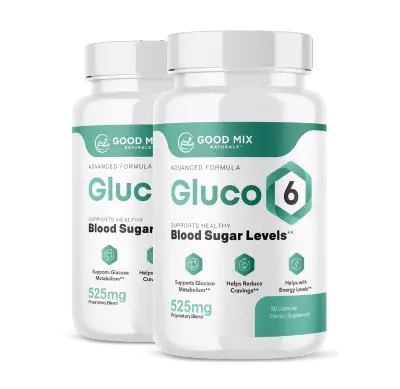
2 Bottles · 60-Day Supply
$69 / bottle
- ✓ Good starting point to test personal response
- ✓ Backed by the 60-day money-back guarantee
- ✓ Small shipping fee applies
Total: $138 + shipping
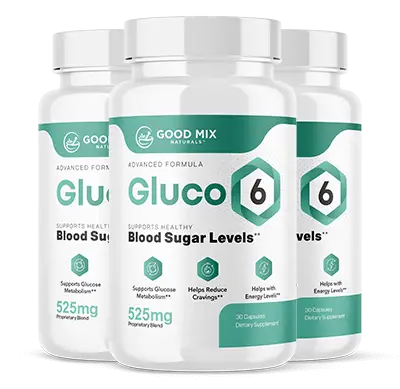
3 Bottles · 90-Day Supply
$49 / bottle
- ✓ Includes 2 free bonus eBooks (Sweetly Slim, Neuro Nourish)
- ✓ Backed by the 60-day money-back guarantee
- ✓ Free U.S. shipping
Total: $147, free shipping
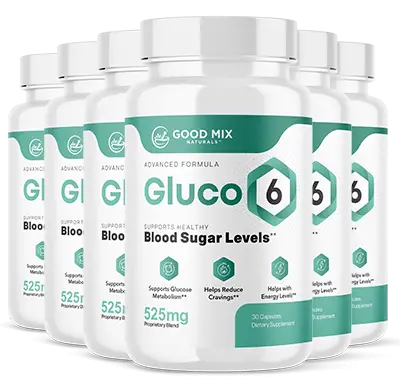
6 Bottles · 180-Day Supply
$39 / bottle
- ✓ Lowest available per-bottle price
- ✓ Includes 2 free bonus eBooks (Sweetly Slim, Neuro Nourish)
- ✓ Free U.S. shipping + 60-day guarantee
Total: $234, free shipping
Prices and package details shown are pulled from currently available marketing sources and can change — click any package above to see live current pricing on the official order page.
In plain text, at the time we checked (and prices can change): the Starter package is 2 bottles (a 60-day supply) at $69 per bottle, $138 plus a small shipping fee; the Most Popular package is 3 bottles (90 days) at $49 per bottle, $147 with free U.S. shipping and 2 free bonus eBooks; the Best Value package is 6 bottles (180 days) at $39 per bottle, $234 with free U.S. shipping and the same 2 bonus eBooks. A 60-day money-back guarantee applies. Always confirm current details on the official order page.
Does Gluco6 Really Work for Blood Sugar? The Short Answer
Here is the short answer in four parts. First, the evidence is ingredient-level, not product-level. The label lists vitamin D3, vitamin B1 and chromium at stated doses, plus a seven-item 525 mg proprietary blend of Sukre (L-arabinose), theobromine, green tea leaf extract, eleuthero root, theacrine (TeaCrine), Cassia cinnamon bark and gymnema sylvestre leaf. Several of those items have been studied for glucose or insulin-related outcomes. The finished capsule has not, as far as the information in our main review shows.
Second, the amounts matter as much as the names. The three vitamins and minerals are disclosed at exact doses. The blend is not: you cannot tell how much gymnema, cinnamon or green tea extract each capsule holds. Many of the stronger trials on those botanicals used gram-level or hundreds-of-milligram doses, and a 525 mg blend shared among seven ingredients cannot give every one of them that much.
Third, effects in studies are usually modest and often mixed. Even the better-studied ingredients, such as chromium and cinnamon, show small average changes in some trials and no meaningful change in others. A supplement that moves a lab number by a small amount in a research group is not the same as a supplement that will change your day-to-day readings.
Fourth, it depends on who is taking it. Someone who is genuinely low in vitamin D or thiamine has a clearer reason to benefit from correcting that than someone whose levels are already fine. That is true of nearly every nutrient in a formula like this, and it is the single most useful idea to carry through the rest of this article.
What Can a Supplement Realistically Do for Blood Sugar, and What Can’t It Do?
Blood sugar is regulated by a busy system: the pancreas releases insulin, muscles and the liver take up and store glucose, and the food you eat, how much you move, how well you sleep, your stress hormones, your body composition, your age and any medicines you take all push the numbers up or down. A single capsule can, at best, nudge one small part of that system.
What supplements can plausibly do
- Correct a shortfall. If you are low in a nutrient that plays a role in carbohydrate handling, such as vitamin D, thiamine or chromium, supplying it can help that machinery work normally.
- Add a small, supportive effect. Some plant compounds, including cinnamon, gymnema and green tea catechins, have been associated with small improvements in fasting glucose or insulin sensitivity in some studies.
- Support habits. For some people, taking a daily capsule becomes a prompt to pay attention to diet and activity. That is a behavioral benefit, not a pharmacological one, but it can be real.
What supplements cannot do
- Replace medication. A supplement cannot stand in for insulin, metformin or any other prescribed treatment. Stopping a prescribed drug because you started a capsule can be dangerous.
- Offset a high-sugar, low-fiber diet. No capsule cancels out regular large servings of refined carbohydrates and sugary drinks.
- Diagnose or monitor anything. Only blood tests and your care team can tell you where your glucose and A1C really stand.
- Guarantee any outcome. Responses vary widely from person to person.
If you are still working out whether your own symptoms point toward a problem, our guides on signs of high blood sugar and prediabetes symptoms are a sensible starting point, and the right next step is a fasting glucose or A1C test through your doctor rather than a supplement purchase.
What Does the Evidence Say About Gluco6’s Disclosed Vitamins and Minerals?
The clearest part of the Gluco6 label is its trio of exactly-dosed nutrients. These are the pieces where an honest evaluation can be most specific.
Vitamin D3 (50 mcg, about 2,000 IU)
Observational research has repeatedly linked low vitamin D status with reduced insulin sensitivity and a higher likelihood of developing type 2 diabetes. Observational links do not prove cause and effect, though, and intervention trials are mixed: some, particularly in people who start out deficient, show modest improvements in insulin sensitivity, while others in people with adequate levels show little. The 50 mcg dose is a commonly used supplemental amount and sits well below the established tolerable upper intake level. The practical takeaway is that this ingredient is most likely to matter if your vitamin D is actually low, which is something a simple blood test can check.
Vitamin B1 or thiamine (100 mg)
Thiamine is central to turning carbohydrates into usable energy, and deficiency has been linked in research to poorer glucose handling. Some small studies suggest people with type 2 diabetes tend to have lower thiamine status than average. The dose in Gluco6 is very high compared with the standard Daily Value, but thiamine is water-soluble and the body excretes what it does not use, so the margin of safety is wide. Whether 100 mg gives a measurable glucose benefit to someone who is not deficient is, frankly, unclear.
Chromium as chromium niacinate (1 mg)
Chromium is among the most studied minerals in the glucose-support aisle, and the idea is that it supports the action of insulin at the cell level. Some clinical trials, especially in people with impaired glucose tolerance, report small improvements in glycemic markers. Other trials find nothing significant, and the overall literature is inconsistent. One milligram is many times the Daily Value of 35 mcg, which is why our main review suggests that anyone with kidney or liver concerns mention this dose to a doctor before starting.
| Disclosed ingredient | Dose on label | How strong is the blood sugar evidence? | Who is most likely to notice a difference? |
|---|---|---|---|
| Vitamin D3 | 50 mcg | Moderate, mixed outcomes | People with low vitamin D levels |
| Vitamin B1 (thiamine) | 100 mg | Moderate for fixing deficiency, limited otherwise | People with low thiamine status |
| Chromium niacinate | 1 mg | Moderate, inconsistent across trials | People with impaired glucose tolerance, in some studies |
What About the Botanical Blend: Green Tea, Gymnema, Cinnamon and the Rest?
This is where most of the marketing excitement sits, and also where most of the uncertainty lives. The label shows a 525 mg proprietary blend with no per-ingredient amounts. Here is what is known about each component in general terms.
Gymnema sylvestre
Used for centuries in Ayurvedic practice, gymnema has several small human trials suggesting modest reductions in blood sugar, and some work suggests it may dull the perception of sweetness, which fits with the craving-reduction angle in Gluco6’s marketing. Most positive studies used gram-level extracts rather than a fraction of a 525 mg total.
Cassia cinnamon
Cinnamon has been examined in a number of trials and meta-analyses, with small average reductions in fasting glucose reported mainly in people with type 2 diabetes or prediabetes. Results are mixed and the effect sizes are generally small. The label specifies Cassia, not Ceylon, even though some marketing describes it as Ceylon. Cassia contains coumarin, which our main review flags as worth discussing with a doctor for long daily use, especially with liver concerns.
Green tea leaf extract (98% polyphenols, 65% EGCG)
EGCG has a reasonably large research base for modest improvements in insulin sensitivity and metabolic markers, generally at doses in the hundreds of milligrams. The high standardization is a good sign of quality, but the actual milligram amount per capsule is not disclosed.
Sukre (L-arabinose)
L-arabinose has been studied for partly blocking sucrase, the enzyme that splits table sugar in the gut, which could in theory soften a spike after a sucrose-containing meal. The research is preliminary and mostly uses gram-level doses.
Theobromine, eleuthero and theacrine
These three are included mainly for the energy and mood part of the product’s promise. Theobromine is a mild cacao-derived stimulant, eleuthero is an adaptogen studied for stress and fatigue, and theacrine (as TeaCrine) is studied for alertness. Their direct evidence for blood sugar is limited. They may help explain a feeling of steadier energy for some people, but that is not the same as changing glucose.
| Blend ingredient | Evidence for blood sugar | Dose known? |
|---|---|---|
| Gymnema sylvestre | Moderate | No, inside blend |
| Cassia cinnamon | Moderate, mixed | No, inside blend |
| Green tea (EGCG) | Moderate | No, inside blend |
| Sukre (L-arabinose) | Preliminary | No, inside blend |
| Theobromine | Limited | No, inside blend |
| Eleuthero root | Limited | No, inside blend |
| Theacrine (TeaCrine) | Limited for glucose, moderate for alertness | No, inside blend |
For a deeper walk through each of these, including cautions, see our companion piece on Gluco6 ingredients and the hidden proprietary blend.
Why Do the Hidden Doses and the Missing Finished-Product Trial Matter?
Two gaps keep us from saying Gluco6 is proven. They are worth understanding because they apply to a great many supplements, not only this one.
Gap one: the proprietary blend
A proprietary blend lists the combined weight of several ingredients but not each ingredient’s share. Companies often say this protects their formula from copycats. The cost to you is that you cannot check whether a given ingredient is present at anything close to a studied amount. If the 525 mg were divided evenly across seven ingredients, each would average roughly 75 mg. Blends are rarely even, and a potent standardized extract can do more at a lower weight than a crude powder, but the arithmetic shows why it is hard to believe every ingredient reaches the gram-level doses used in some trials.
Gap two: no trial on the finished product
Ingredient research tells you an ingredient can matter. It does not tell you that this particular combination, in these amounts, produces a given result. Ingredients can interact, and the form, extract and dose used in a study often differ from what is in a commercial capsule. Until the finished formula is tested, any claim about Gluco6 results is an inference.
What Results Should You Realistically Expect From Gluco6, and How Long Should You Wait?
Most of the key ingredients in this formula are described as working gradually. Chromium, cinnamon and gymnema are not expected to produce a sudden change. Our main review suggests that at least four to eight weeks of consistent daily use is a sensible minimum before drawing any conclusion, which is part of why the 60-day money-back guarantee matters for this kind of product.
A realistic range of outcomes
- No noticeable change. This is a perfectly common outcome with any supplement, especially if your nutrient levels were already adequate.
- A subjective change. Some people report fewer cravings or steadier energy. These feelings can come from the stimulant-type ingredients, from placebo effects, or from simultaneous changes in eating and sleep. They are not proof of a glucose effect.
- A small measurable change. If a change in lab values occurs, the research on these ingredients suggests it would more likely be small than large, and it may be impossible to separate from the effect of any diet or activity changes you made at the same time.
Be wary of the “before and after” trap
People who start a supplement very often start eating better and moving more at the same time, because buying a product is itself a motivating moment. If your readings improve, you will not know how much credit belongs to the capsule. To get a cleaner picture, try to change one thing at a time where your doctor agrees it is safe, and keep a simple record. Our guide to Gluco6 reviews and complaints shows how to read other people’s dramatic stories with the same skepticism.
What Should You Track, With Your Doctor, to Know Whether Gluco6 Is Doing Anything?
Feelings are unreliable guides to glucose, so build a small tracking plan before you start. Do this together with your doctor, especially if you have prediabetes, diabetes or take any glucose-lowering medicine.
- Get a baseline. Ask your doctor for a fasting glucose and an A1C, and consider asking whether vitamin D and other relevant levels are worth checking. Without a starting point you cannot interpret later numbers.
- Agree on a monitoring plan. If you already check your own glucose, ask your doctor how often and what readings should prompt a call. If you take medication that can cause low blood sugar, ask what symptoms and numbers to watch for.
- Keep a simple log. Note the date you started, any changes in diet, exercise, sleep or medication, and how you feel. Write down any digestive upset, jitteriness, dizziness or sleep changes, since the blend contains stimulant-type ingredients.
- Re-test on the schedule your doctor recommends. A1C reflects roughly the past two to three months, so it changes slowly. Our free A1C calculator can help you translate a result into average glucose terms, but it is a conversion tool, not a diagnostic.
- Decide in advance what counts as success. For example, you might agree with your doctor that if you see no change after the guarantee window, you will stop and reconsider. Deciding beforehand keeps hope from pushing the goalposts.
If your readings are high, rising, or you have symptoms such as intense thirst, frequent urination, blurred vision or unusual fatigue, that is a reason to contact a medical professional promptly, not a reason to wait for a supplement to work.
What Matters More for Blood Sugar Than Any Capsule?
If you want the honest ranking of what moves blood sugar, supplements come well below the basics. This is not a criticism of Gluco6; it is the way the physiology works.
Food choices
Fiber-rich vegetables, beans, intact whole grains, nuts, and protein at meals tend to slow the rise in glucose after eating, while sugary drinks and refined starches tend to speed it. Our prediabetes diet guide lays out practical swaps that do not require extreme rules.
Movement
Muscles take up glucose during and after activity, and regular exercise improves how well the body responds to insulin. A short walk after meals is a simple habit many people find manageable, but check with your doctor about what is appropriate for you.
Sleep and stress
Short or poor sleep and chronic stress both tend to push glucose and appetite in the wrong direction. If your sleep is poor, no capsule will fully make up for it.
Medical care and medication
For anyone diagnosed with diabetes, prescribed treatment is the foundation. A supplement, if you choose to use one at all, is an optional extra to be cleared with your care team. To understand the underlying biology, our articles on insulin resistance symptoms and ways people work to reverse insulin resistance through lifestyle go into more detail.
Who Is Unlikely to Benefit From Gluco6, and Who Should Be Cautious?
People who may be unlikely to benefit
- Anyone hoping to replace medication or avoid lifestyle change. The ingredients are not designed for that and nothing in the evidence supports it.
- People whose vitamin D, thiamine and other levels are already adequate and whose glucose is already in a healthy range. There may be little left for these nutrients to fix.
- People who want every dose verified. The proprietary blend means you cannot confirm what you are getting.
- People who expect fast results. The ingredients are generally understood to act slowly if at all.
People who should speak to a clinician first
- Anyone with diabetes or prediabetes, or taking insulin or other glucose-lowering medication, because stacking supplements that can lower glucose on top of medication raises the risk of low blood sugar.
- Anyone with kidney or liver concerns, given the chromium dose and the Cassia cinnamon coumarin point in our main review.
- Anyone who is pregnant, nursing or under 18, since the label advises against use.
- Anyone sensitive to stimulants, because the blend includes theobromine and theacrine and green tea.
We cover the safety picture in depth in our article on Gluco6 side effects and diabetes medication safety.
Frequently Asked Questions
Does Gluco6 work for lowering blood sugar?
It may offer modest support for some people, but it has not been shown to lower blood sugar as a finished product. The evidence is for individual ingredients, mostly at doses we cannot confirm are in the capsule. It is not a treatment for diabetes.
How long does Gluco6 take to work?
Because the key ingredients are generally described as working gradually, a fair test is at least four to eight weeks of consistent use, together with objective measurements from your doctor. Do not judge on the first week.
Can Gluco6 replace my diabetes medication?
No. Never stop or change a prescribed medicine because of a supplement. If you take insulin or any glucose-lowering drug, speak to your doctor before starting Gluco6, as combining them raises the risk of blood sugar falling too low.
What are the best-supported ingredients in Gluco6?
Chromium, green tea EGCG, cinnamon and gymnema have the most published human research for blood sugar-related outcomes, though results are mixed and often modest. Vitamin D3 and B1 matter most if you are deficient.
Is there a clinical trial on Gluco6 itself?
None that we found or that our main review identifies. Evidence rests on studies of the separate ingredients, so any benefit for the specific product is inferred rather than proven.
What should I track while taking Gluco6?
Get baseline fasting glucose and A1C, keep a log of food, activity, sleep and symptoms, and follow the monitoring plan your doctor sets, especially if you take glucose-lowering medicine. Report any dizziness, shakiness, sweating or confusion promptly.
Who is unlikely to benefit from Gluco6?
People whose nutrient levels are already adequate, people hoping to skip lifestyle changes or medication, and people who need verified per-ingredient doses are the most likely to be disappointed.
What if Gluco6 does not work for me?
The brand offers a 60-day money-back guarantee on every package size, according to the order page information in our main review. Confirm the current terms at purchase and keep your order confirmation.
Our Take: Does Gluco6 Work?
Gluco6 is built on a more plausible foundation than many products in its category. It discloses exact doses for vitamin D3, vitamin B1 and chromium, and its blend includes ingredients, notably gymnema and cinnamon, that have genuine research histories. Those are real points in its favor.
But the same honesty requires saying that a hidden-dose blend, no finished-product trial and generally modest ingredient-level results add up to a product we would describe as reasonable to evaluate, not proven. If you are someone already working on food, movement and sleep, who is not taking conflicting medication, whose doctor is on board, and who values a 60-day return window, it may be a fair thing to try with a clear tracking plan. If you are hoping for a shortcut or a substitute for medical care, it is not designed to be that, and nothing in the research says it could be.
Related reading: our price and refund guide on whether Gluco6 is a scam, the breakdown of what is in the formula, and, for a comparison with another metabolic formula, our Liv Pure review.
Disclosure: we may earn a commission if you buy through our links, at no extra cost to you, and it does not change our assessment. This article is for information only and is not medical advice.