Why Do I Pee So Much at Night? The Real Causes of Frequent Nighttime Urination After 50
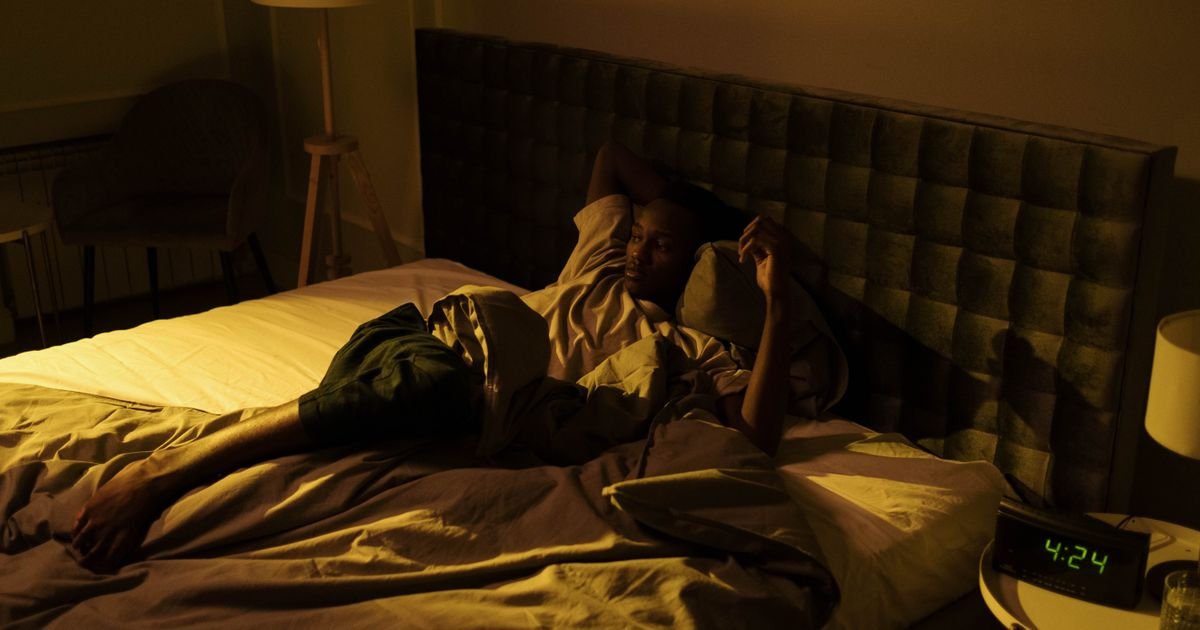
If you’re waking up two, three, or more times a night to use the bathroom, you’re not imagining it, and you’re not alone. Frequent nighttime urination — the clinical term is nocturia — becomes noticeably more common after age 50, for both men and women, and it’s one of the most under-discussed sleep disruptors out there. The good news: in most cases, nocturia has an identifiable cause, and several of those causes respond well to simple, evidence-based changes. This guide walks through what actually counts as “too much,” the most common reasons it happens as we age, which signs mean it’s time to see a doctor, and what genuinely helps.
Quick answer: Waking up once to urinate is considered normal sleep. Waking up two or more times, on a regular basis, is called nocturia and has a real, usually identifiable cause — commonly evening fluid habits, an enlarged prostate, overactive bladder, blood sugar changes, certain medications, or untreated sleep apnea. It becomes more common with age but isn’t something you simply have to live with.
What Counts as “Normal” vs. Nocturia?
Most healthy adults can sleep six to eight hours without needing to get up to urinate, though getting up once during that window is still considered within normal range. Nocturia is generally defined as waking up at least twice a night specifically because you need to urinate — not just waking up and happening to use the bathroom while you’re up. That distinction matters, because occasional wakefulness for other reasons (stress, noise, a partner’s movement) isn’t the same condition, and treating it as if it were can lead you down the wrong path.
Nocturia isn’t rare. Studies on aging and urinary health consistently show that the likelihood of waking at least once a night to urinate increases substantially after age 50, and climbs further after 60 and 70. It affects men and women in roughly similar numbers overall, though the leading causes differ somewhat between the sexes, which is why a one-size-fits-all explanation rarely fits.
The Most Common Causes of Frequent Nighttime Urination After 50
There’s rarely a single explanation. Nocturia is usually the result of one dominant cause plus one or two contributing factors that make it worse. Here are the causes seen most often in adults over 50.
1. Evening Fluid, Caffeine, and Alcohol Habits
This is the simplest cause to fix and the first thing most clinicians ask about. Caffeine and alcohol are both mild diuretics — they increase how much urine your kidneys produce and, in alcohol’s case, also suppress the hormone that normally helps you hold urine overnight. Drinking a large volume of any fluid in the two to three hours before bed simply gives your bladder more to process while you’re trying to sleep. This cause is often layered on top of one of the medical causes below, which is why cutting evening fluids sometimes helps but doesn’t fully solve the problem on its own.
2. An Enlarged Prostate (BPH)
For men, benign prostatic hyperplasia — a non-cancerous enlargement of the prostate gland that becomes increasingly common with age — is one of the leading drivers of nighttime urination. As the prostate enlarges, it can press on the urethra and irritate the bladder, causing it to signal “empty” even when it isn’t full, and making it harder to fully empty when you do go. This combination of urgency, frequency, and incomplete emptying is a classic BPH pattern, and it very commonly shows up first as nighttime trips to the bathroom before it’s noticeable during the day. If you’re a man over 50 dealing with nocturia alongside a weaker stream, dribbling, or a sense that you can’t fully empty your bladder, an enlarged prostate is worth discussing with a doctor specifically — and it’s a topic we cover in more depth in our Prostate Health section.
3. Overactive Bladder (OAB)
Overactive bladder is a separate condition from BPH, though the two can overlap in men and often get confused. OAB involves the bladder muscle contracting involuntarily, even when the bladder isn’t full, creating sudden, hard-to-ignore urges. It’s actually more common in women than men and tends to cause both daytime frequency and nighttime waking. Unlike BPH, OAB isn’t about a physical obstruction — it’s about the signaling between the bladder and nervous system, which is why the most effective treatments (bladder training, pelvic floor therapy, certain medications) work differently than BPH treatments do.
4. Blood Sugar Changes and Undiagnosed Diabetes
When blood sugar runs persistently high, the kidneys work to filter out the excess glucose, pulling extra water into the urine along with it — a process that can significantly increase how much urine your body produces, day and night. This is one of the reasons frequent urination, including at night, is a classic early warning sign of type 2 diabetes, and it’s also a common experience for people whose blood sugar is already diagnosed but not well controlled, especially overnight when blood sugar can drift for reasons unrelated to what you ate. If nighttime urination has come on somewhat suddenly, especially alongside increased thirst or unexplained fatigue, it’s worth having blood sugar checked rather than assuming it’s purely a bladder issue. We go into this pattern in more detail in our Blood Sugar & Metabolic Wellness section.
5. Medications, Especially Diuretics
Diuretics (“water pills”), commonly prescribed for high blood pressure or heart conditions, do exactly what the name implies — they increase urine output. If you take one in the evening, you’re essentially timing a mild diuretic effect to coincide with your sleep window. Some other medication classes, including certain antidepressants and blood pressure drugs, can contribute as a side effect as well. This is one of the more fixable causes: simply asking your prescriber whether the timing of a diuretic can be moved earlier in the day (many can be shifted safely) sometimes resolves nighttime urination almost entirely, without changing the medication itself.
6. Untreated Sleep Apnea
This connection surprises a lot of people. Obstructive sleep apnea causes repeated drops in blood oxygen during sleep, which triggers the body to release a hormone (atrial natriuretic peptide) that increases urine production as a compensatory response. In other words, apnea doesn’t just fragment your sleep directly — it can also make you need to urinate more, compounding the sleep disruption from two directions at once. People who use a CPAP machine inconsistently, or who have undiagnosed apnea, sometimes notice nighttime urination easing significantly once the apnea itself is properly treated. Loud snoring, gasping during sleep, or persistent daytime fatigue despite a full night in bed are worth mentioning to a doctor alongside nocturia.
7. Heart and Kidney-Related Fluid Shifts
During the day, gravity pulls fluid into the lower legs, especially in people with certain heart, kidney, or vein conditions. When you lie down at night, that fluid redistributes back into circulation and eventually gets processed by the kidneys — producing a burst of urine output a few hours into sleep. This is a recognized mechanism in congestive heart failure and chronic kidney disease specifically, which is part of why nocturia is taken seriously as a symptom worth mentioning to a doctor rather than dismissed as a normal part of aging, particularly if it’s accompanied by swelling in the ankles or legs.
8. Hormonal Changes Around Menopause
For women, declining estrogen during and after menopause can thin and weaken the tissues supporting the bladder and urethra, making the bladder more sensitive and reducing its effective capacity. This is separate from, but can overlap with, overactive bladder, and it’s a big part of why nocturia rates rise for women in the same age range that BPH becomes more common for men — two very different mechanisms producing a similar nighttime symptom.
9. Urinary Tract Infections and Bladder Irritation
A UTI causes bladder inflammation that creates urgency and frequency, day and night, and in older adults it can sometimes present with subtler symptoms than the burning sensation younger people typically describe. Interstitial cystitis (a chronic bladder pain condition) and bladder irritants like caffeine, artificial sweeteners, and spicy foods can produce a similar effect without an active infection.
Why This Becomes More Common After 50
Aging doesn’t cause nocturia directly, but several age-related changes stack the deck: bladder capacity and elasticity naturally decrease over time, the body produces somewhat less of the hormone that concentrates urine overnight, prostate tissue grows steadily in most men from midlife onward, and the medical conditions listed above (diabetes, heart disease, sleep apnea) simply become more prevalent with age. It’s the accumulation of several small shifts rather than one dramatic change, which is exactly why a single lifestyle tweak sometimes helps a little without solving the problem — and why identifying the dominant cause in your specific case matters more than generic advice.
When to See a Doctor About Nighttime Urination
Occasional nocturia, especially if you can trace it to an evening you had more coffee or wine than usual, isn’t cause for alarm. But it’s worth scheduling an appointment if you notice:
Nighttime urination that’s new or has gotten noticeably worse over a few weeks or months; blood in the urine; pain or burning during urination; a weak or interrupted urine stream, or a sense you can’t fully empty your bladder; unexplained swelling in your legs or ankles; unusual thirst, fatigue, or unexplained weight change; fever or lower back pain, which can indicate a kidney infection; or nocturia severe enough that it’s meaningfully disrupting your sleep and daytime functioning. None of these symptoms mean something is definitely seriously wrong, but they’re the kind of detail a doctor needs in order to point the workup in the right direction quickly, rather than guessing.
How Nocturia Gets Diagnosed
A doctor evaluating nighttime urination will typically start with a detailed history and a physical exam, and often ask you to keep a simple bladder diary for a few days — logging what and when you drink, and when and roughly how much you urinate, day and night. This single, low-tech tool is often more revealing than any lab test, because it can show whether the problem is too much urine overall (suggesting fluid intake, diabetes, or a fluid-shift issue) or normal urine volume split into too many small trips (suggesting a bladder capacity or irritation issue like OAB or BPH). From there, a urinalysis, blood glucose test, and for men a prostate exam are common next steps, with imaging or specialist referral reserved for cases that don’t have an obvious explanation.
What Actually Helps: Evidence-Based Ways to Reduce Nighttime Bathroom Trips
The right fix depends heavily on the underlying cause, but several strategies are supported broadly enough that they’re worth trying regardless, alongside addressing any specific medical cause a doctor identifies.
Shift your fluid timing, not necessarily your total intake. Rather than simply drinking less overall (which can cause its own problems, particularly for older adults who are already prone to dehydration), try front-loading fluids earlier in the day and tapering off in the two to three hours before bed. Staying adequately hydrated during the day can actually reduce concentrated, irritating urine at night.
Cut evening caffeine and alcohol specifically. Both have an outsized effect close to bedtime compared with the same amount earlier in the day. Moving your last cup of coffee to before mid-afternoon and your last drink to well before dinner is a low-cost experiment worth running for a week or two.
Ask about diuretic timing. If you take a diuretic or blood pressure medication, ask your prescriber whether it can be taken in the morning instead of the evening. This is often a simple, safe adjustment — but should be done with medical guidance, not on your own.
Elevate your legs for 30 minutes to an hour before bed. For anyone whose nocturia is related to fluid pooling in the legs during the day, elevating your legs (above heart level, if possible) in the early evening gives your kidneys a chance to process that fluid before you lie down for the night, rather than a few hours into sleep. Compression stockings during the day can help with the same mechanism.
Treat sleep apnea if you have it. If you snore heavily, have been told you stop breathing during sleep, or wake up unrefreshed despite adequate time in bed, a sleep study is worth pursuing. Consistent CPAP use, when apnea is confirmed, frequently reduces nighttime urination as a secondary benefit.
Do pelvic floor exercises. For both men and women, pelvic floor muscle training (often called Kegel exercises) is a well-supported first-line approach for overactive bladder symptoms and can meaningfully reduce urgency and nighttime frequency over several weeks of consistent practice.
Get blood sugar checked if it hasn’t been recently. This is a quick, low-effort step that can either rule out or catch a manageable underlying cause early — particularly valuable given how often elevated blood sugar goes unnoticed until a routine test reveals it.
Don’t just stop drinking water out of frustration. It’s a common, understandable reaction, but under-hydration in older adults carries its own real risks, including confusion, constipation, and more concentrated (more bladder-irritating) urine. The goal is smarter timing, not simply less water.
Frequently Asked Questions About Nighttime Urination
Is it normal to pee twice a night?
Waking up once is generally considered within normal range for a full night’s sleep. Two or more times, on a regular basis, meets the clinical definition of nocturia and is worth mentioning at your next checkup, even if it isn’t yet bothering you.
Does frequent nighttime urination mean I have diabetes?
Not necessarily — there are several common, unrelated causes. But because elevated blood sugar is one of the more common and easily overlooked causes, especially when nocturia has developed gradually alongside increased thirst or fatigue, it’s a reasonable and inexpensive thing to rule out with a simple blood test.
Can drinking less water before bed actually fix it?
It can help when evening fluid intake is the main driver, but for many people over 50, nocturia is caused by something else entirely (like BPH, OAB, or sleep apnea), and simply restricting water won’t resolve those underlying causes — it just removes one contributing layer.
Is nighttime urination always related to the prostate in men?
No. While an enlarged prostate is a very common cause in men over 50, overactive bladder, blood sugar issues, medication timing, and sleep apnea can all cause the same symptom in men just as they do in women, so a prostate-specific cause shouldn’t be assumed without a proper evaluation.
How many times a night is considered a medical concern?
Two or more nightly episodes, especially if it’s a change from your usual pattern or is affecting your daytime energy and functioning, is generally considered worth a medical conversation rather than something to simply manage alone indefinitely.
Can nocturia be a sign of a heart problem?
In some cases, yes. Fluid that pools in the legs during the day in people with certain heart or kidney conditions can redistribute and get processed by the kidneys overnight, causing a burst of urine production a few hours after lying down. This is one of the reasons nocturia paired with leg or ankle swelling is worth flagging to a doctor rather than dismissing.
Will nocturia go away on its own?
Sometimes, if it’s tied to a temporary factor like a period of higher evening fluid or alcohol intake. But when it’s driven by an underlying condition — BPH, OAB, diabetes, or sleep apnea — it typically doesn’t resolve without addressing that condition directly, even though several of the lifestyle steps above can meaningfully reduce how often it happens in the meantime.
Frequent nighttime urination is common after 50, but “common” doesn’t mean it has to be permanent or untreatable. Because so many different causes can produce the exact same symptom, the most useful first step isn’t guessing at home remedies — it’s tracking your pattern for a few days (a simple notes-app log of what you drink and when you wake up works fine) and bringing that information to a doctor. From there, most causes of nocturia respond well to a specific, targeted fix rather than a vague lifestyle overhaul.
If nighttime trips are tied to an enlarged prostate, our free prostate volume calculator can turn your ultrasound or MRI measurements into an estimated volume and PSA density.
If an enlarged prostate seems like it could be part of your picture, our guide to BPH symptoms covers the full range of what an enlarged prostate can cause, and our guide to weak urine stream in men covers that specific symptom in more depth.
Our ProstaVive review breaks down one commonly discussed supplement for prostate and urinary support, including what the evidence does and doesn’t show — and if you’re specifically weighing saw palmetto, our saw palmetto for enlarged prostate guide looks at what the research actually says.
If poor sleep quality or possible sleep apnea seems relevant, see our Sleep & Nerve Health section and our Yu Sleep review.
If blood sugar is a suspect, our Blood Sugar & Metabolic Wellness section covers related symptoms and management approaches in more depth.
This article is for informational purposes only and is not medical advice. It is not a substitute for a diagnosis or treatment plan from a qualified healthcare provider. If you are experiencing new, worsening, or concerning urinary symptoms, please consult a doctor.