Farxiga Side Effects: What to Expect and When to Call Your Doctor
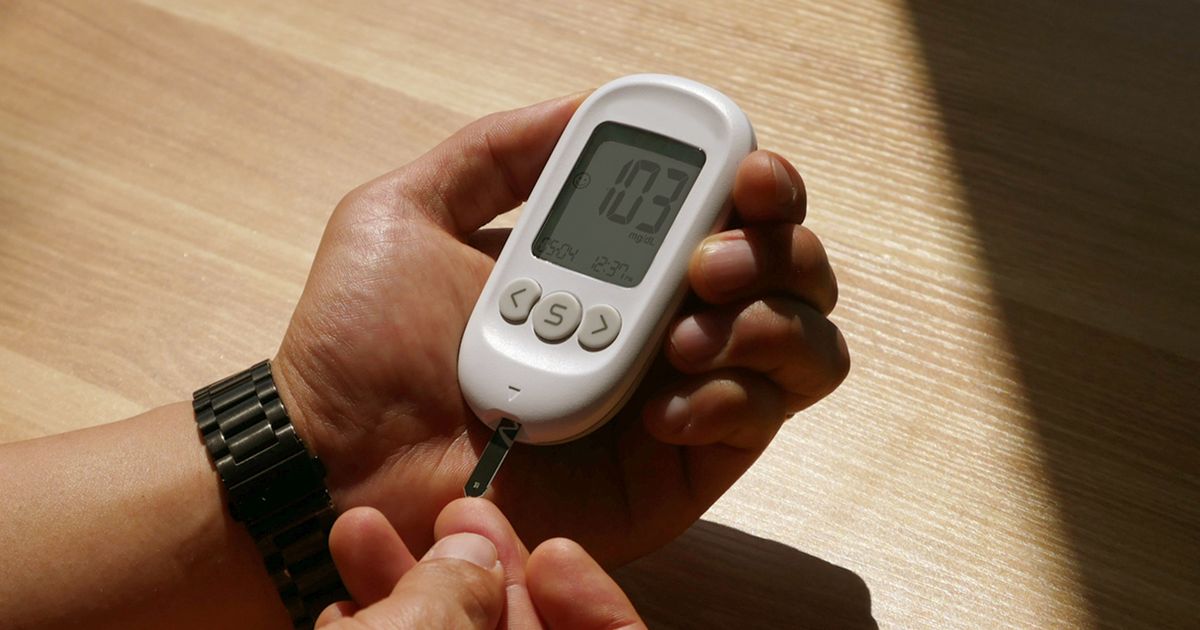
Farxiga side effects are worth understanding before you start this medication, since it works differently from older diabetes drugs like metformin or glipizide — and that different mechanism brings a different set of risks. Farxiga (dapagliflozin) belongs to a class of medications called SGLT2 inhibitors, which lower blood sugar by making the kidneys remove extra glucose through urine rather than by affecting insulin directly. That mechanism is also why Farxiga is now approved for heart failure and chronic kidney disease, not just type 2 diabetes. Most side effects are mild and related to that urinary glucose loss — yeast infections, urinary tract infections, mild dehydration — but a few rare risks are serious enough that it’s worth knowing the warning signs in advance. Here’s what’s common, what’s rare, and when a symptom is worth calling your doctor about.
Quick answer: Farxiga’s most common side effects are genital yeast infections and urinary tract infections, each affecting roughly 1% to 10% of patients, along with nausea, dizziness, and mild increases in cholesterol. More serious but rare risks include diabetic ketoacidosis (which can occur even with only moderately elevated blood sugar), dehydration and low blood pressure, acute kidney injury, and a very rare but severe genital infection called Fournier’s gangrene. Call your doctor promptly for nausea or stomach pain with unusual tiredness, fever or swelling in the genital area, or any sign of a severe allergic reaction.
What Is Farxiga and How Does It Work?
Farxiga is the brand name for dapagliflozin, a medication in a drug class called SGLT2 inhibitors (sodium-glucose cotransporter-2 inhibitors). Instead of boosting insulin release like glipizide or reducing how much glucose your liver produces like metformin, Farxiga blocks a protein in the kidneys that normally reabsorbs glucose back into the bloodstream. The result is that extra sugar simply passes out of the body in urine. According to NIH MedlinePlus, this mechanism is why Farxiga is approved not just for lowering blood sugar in type 2 diabetes, but also for reducing the risk of heart failure hospitalization in adults with type 2 diabetes or heart failure, and for slowing the progression of certain chronic kidney disease — benefits that go well beyond blood sugar control alone.
Common Side Effects: Yeast Infections and UTIs
Because Farxiga works by pushing glucose out through urine, that sugar-rich urine can encourage yeast and bacterial growth in the genital area and bladder. Clinical data from Drugs.com lists genital yeast infections (vulvovaginal candidiasis in women, balanitis in men) and urinary tract infections as common side effects, each occurring in roughly 1% to 10% of patients. Other common effects in that same range include nausea, constipation, back pain, dizziness, headache, mild increases in LDL cholesterol, and a modest rise in blood phosphate levels. Most of these are manageable: staying well-hydrated, practicing good genital hygiene, and reporting any burning, itching, or unusual discharge promptly can help catch a yeast infection or UTI early, before it becomes more uncomfortable.
Hypoglycemia: Mostly a Risk With Other Medications
On its own, Farxiga doesn’t typically cause low blood sugar, since it doesn’t affect insulin release the way sulfonylureas like glipizide do. But clinical trial data shows that hypoglycemia risk rises substantially when Farxiga is combined with a sulfonylurea or insulin — up to 43% in some add-on trials, compared to roughly 1.5% to 2.1% when combined with metformin, pioglitazone, or a DPP-4 inhibitor like Januvia. If you’re taking Farxiga alongside one of these other medications, it’s worth reviewing with your doctor whether your other diabetes drug doses need adjusting, and keeping an eye out for the usual low-blood-sugar symptoms: shakiness, sweating, confusion, or a racing heartbeat.
Dehydration and Low Blood Pressure
Because Farxiga increases urination, it can also lead to mild dehydration and a drop in blood pressure, particularly when standing up quickly. Drugs.com classifies dehydration, low blood pressure, and fainting as uncommon (0.1% to 1%), but the risk climbs in situations that already reduce fluid levels — hot weather, vomiting or diarrhea, or taking a diuretic (“water pill”) for blood pressure. NIH MedlinePlus specifically advises drinking enough water, getting up slowly from sitting or lying down, and asking your doctor what to do if you become sick, develop a fever, or face unusual physical stress, since all of these can affect how well your body handles the medication. Doctors typically have patients stop Farxiga for at least three days before any planned surgery, including dental surgery, for this same reason.
Diabetic Ketoacidosis: A Rare but Serious Risk
Diabetic ketoacidosis (DKA) is a rare but genuinely dangerous complication linked to SGLT2 inhibitors like Farxiga. In the large DECLARE clinical trial, DKA occurred in 27 of 8,574 patients taking dapagliflozin, compared to 12 of 8,569 patients on placebo — roughly double the rate, though still an uncommon event overall. What makes this particular risk tricky is that it can occur even when blood sugar is only moderately elevated, sometimes under 250 mg/dL, a pattern sometimes called “euglycemic DKA” that can catch patients and even some clinicians off guard, since it doesn’t look like the classic high-blood-sugar DKA most people are warned about. Watch for nausea, vomiting, stomach pain, unusual tiredness, or trouble breathing, and seek medical care right away if these appear — checking urine for ketones, if you have the ability to do so at home, can help confirm the concern while you’re getting help.
Fournier’s Gangrene: What You Need to Know
Fournier’s gangrene is a rare but severe flesh-destroying infection of the genital and perineal area, and the FDA has specifically flagged SGLT2 inhibitors, including Farxiga, as carrying this risk. Drugs.com cites 12 FDA-reported cases between 2013 and 2018 across all SGLT2 inhibitors (7 men and 5 women), all of whom required hospitalization and surgery, with one fatal outcome — against a background incidence of roughly 1.6 cases per 100,000 men per year in the general population. This is a genuinely rare event, but it progresses quickly, so the warning signs are worth knowing: fever, significant pain, tenderness, redness, or swelling in the genital area or the region between the genitals and rectum, along with feeling unusually tired or weak. NIH MedlinePlus advises calling your doctor immediately if any of these symptoms appear, since early treatment matters a great deal with this kind of infection.

Kidney Effects: A Genuine Paradox
Farxiga’s relationship with kidney health is a little counterintuitive. Over the long term, Farxiga is actually protective: it’s specifically approved to slow the progression of chronic kidney disease in certain patients. But in the short term, particularly when combined with dehydration, it can occasionally contribute to acute kidney injury. The FDA reviewed 101 acute kidney injury reports linked to SGLT2 inhibitors between 2013 and 2015 (28 involving dapagliflozin, 73 involving canagliflozin); of these, 96 required hospitalization, 15 required dialysis, and 4 patients died. The takeaway isn’t that Farxiga is bad for the kidneys — the long-term data says the opposite — but that staying hydrated and being cautious about combining it with NSAIDs, diuretics, or other medications that stress the kidneys matters, especially if you become sick or dehydrated for any reason.
Bone Fracture and Bladder Cancer: Uncertain Signals
Two other potential risks have come up in Farxiga’s safety data, though both remain genuinely uncertain. Bone fractures were reported in 13 dapagliflozin patients with moderately reduced kidney function (eGFR 30 to under 60), compared to none in the placebo group in that same subgroup — a small number that hasn’t been clearly explained. Bladder cancer cases were also tracked: 10 of 6,045 treated patients (0.17%) developed bladder cancer compared to 1 of 3,512 control patients (0.03%), but Drugs.com notes the numbers are too small to draw firm conclusions about whether Farxiga itself raises bladder cancer risk. Neither finding is a reason to avoid Farxiga on its own, but both are worth knowing about if your doctor is weighing your overall risk profile.
Who Should Be Extra Careful With Farxiga
A few groups deserve closer attention when starting Farxiga. Older adults are more prone to dehydration and the blood-pressure drops that come with it, so staying hydrated and rising slowly from sitting or lying down matters more with age. Anyone with reduced kidney function should have that function monitored periodically, since Farxiga’s effectiveness and safety both depend somewhat on how well the kidneys are working. People with a history of recurrent yeast infections or UTIs may find those issues become more frequent. Farxiga isn’t recommended for type 1 diabetes, given the ketoacidosis risk described above, and it’s typically paused before surgery, including dental procedures, and during any illness that causes vomiting, diarrhea, or reduced food and fluid intake.
How Farxiga Compares to Other Diabetes Medications
If you’ve already tried metformin, glipizide, or Januvia and your doctor is now suggesting Farxiga, it’s helpful to know this isn’t simply “another pill in the same category.” Metformin works mainly by reducing how much glucose the liver releases; glipizide stimulates the pancreas to release more insulin; Januvia (a DPP-4 inhibitor) also boosts the body’s own insulin response after meals; and pioglitazone makes the body’s existing insulin work more efficiently. Farxiga’s urine-based mechanism is genuinely distinct from all four, which is part of why it’s often added on top of one of these other medications rather than used as a straight swap — and why its side-effect profile (yeast infections, dehydration risk) looks so different from theirs (gastrointestinal upset for metformin, hypoglycemia for glipizide).
How Long Do Side Effects Last?
The common early side effects of Farxiga — mild nausea, headache, or an adjustment period as your body gets used to more frequent urination — tend to ease within the first few weeks. Yeast infections and UTIs can occur at any point during treatment rather than just at the start, since they’re tied to ongoing glucose in the urine rather than an initial adjustment period, so it’s worth staying alert to those symptoms throughout treatment, not just early on. The more serious risks covered above, like ketoacidosis or Fournier’s gangrene, aren’t tied to a particular timeline and can in principle develop at any point, which is why knowing the warning signs matters for as long as you’re taking the medication.
When to Call Your Doctor
Mild symptoms like a single urinary tract infection or occasional dizziness are usually worth mentioning at your next appointment rather than treating as an emergency. A shorter list of symptoms deserves a prompt call or same-day medical attention instead: nausea, vomiting, or stomach pain combined with unusual tiredness or trouble breathing (possible ketoacidosis); fever, pain, redness, or swelling in the genital or perineal area (possible Fournier’s gangrene); significant dizziness or fainting when standing; or any sign of a severe allergic reaction, such as swelling of the face, throat, or tongue, or difficulty breathing. None of these are symptoms to wait out.
Frequently Asked Questions
Is Farxiga the same as Jardiance?
No, but they’re closely related. Both Farxiga (dapagliflozin) and Jardiance (empagliflozin) are SGLT2 inhibitors that work the same basic way, and they share a similar side-effect profile, including yeast infections, dehydration risk, and a rare risk of ketoacidosis and Fournier’s gangrene. Your doctor may choose one over the other based on your specific health conditions, insurance coverage, or dosing preferences, since the two aren’t identical in every approved use.
Can Farxiga cause weight loss?
Many patients do lose a modest amount of weight on Farxiga, generally a few pounds, since excreting extra glucose through urine means losing some calories along with it. It isn’t approved or marketed specifically as a weight-loss medication the way some newer drugs are, and the effect is typically smaller than what’s seen with GLP-1 medications.
Do I need to stop Farxiga before a dental procedure?
Often, yes. Because Farxiga can increase dehydration and ketoacidosis risk during and after procedures, and because fasting before surgery or sedation reduces fluid and food intake, doctors commonly have patients pause Farxiga for at least three days before a planned procedure, dental surgery included. Always confirm the specific timing with whichever doctor prescribed Farxiga, since recommendations can vary based on your overall health.
What’s the difference between a UTI from Farxiga and a regular UTI?
Medically, they’re treated the same way, typically with antibiotics. The difference is really about risk: Farxiga increases how often UTIs and yeast infections occur because of the extra glucose passing through urine, so people taking it may simply notice these infections more frequently than they did before starting the medication. Good hydration and prompt treatment of early symptoms can help reduce how often they recur.
This article is for general educational purposes and isn’t a substitute for personalized medical advice. Always follow your doctor’s specific guidance about dosing, monitoring, and any side effects or symptoms that concern you.
Farxiga works differently from older diabetes medications, and that different mechanism is exactly why its side effects look different too — more about yeast infections, hydration, and kidney monitoring than about the gastrointestinal upset or hypoglycemia tied to other options. Most people tolerate it well, and the rare but serious risks, like ketoacidosis and Fournier’s gangrene, are genuinely uncommon. Knowing the specific warning signs for each one, though, means you’re prepared to act quickly on the rare occasion one of them shows up, rather than waiting to see if it gets better on its own.
Related Reading
Already taking metformin? See metformin side effects for what’s common and what’s rare.
Comparing it to a sulfonylurea? See glipizide side effects for how the hypoglycemia risk differs.
Considering a DPP-4 inhibitor instead? See Januvia side effects for what to expect.
Curious about a thiazolidinedione option? See pioglitazone side effects for how it compares.
Working on the root cause? See how to reverse insulin resistance for a realistic, step-by-step guide.
Taking a GLP-1 medication instead? See Trulicity side effects.
Looking at another newer-class diabetes medication? See Victoza Side Effects.
Jardiance is another SGLT2 inhibitor with a similar side-effect profile — see our Jardiance side effects guide for a direct comparison.