Doxazosin Side Effects: What to Know
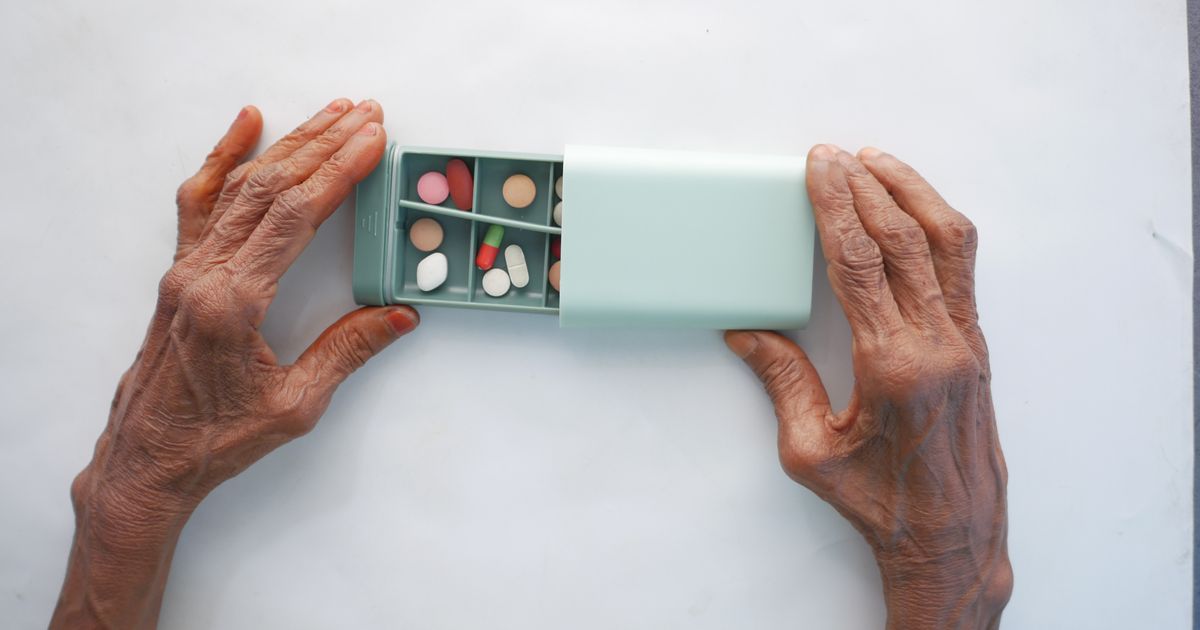
Whether it’s been prescribed for high blood pressure, an enlarged prostate, or both at once, understanding real doxazosin side effects helps take the guesswork out of a new prescription. Doxazosin (sold under the brand name Cardura) is an older, well-studied alpha blocker that works differently from some of the newer prostate-specific medications, which means its side-effect profile — particularly around dizziness and blood pressure — deserves its own explanation rather than being lumped in with every other alpha blocker. This guide covers what’s common, what’s rare but serious, how doxazosin compares to other options, and exactly when a symptom is worth a call to your doctor.
Quick answer: Doxazosin’s most common side effects are dizziness (affecting up to 19% of people), fatigue, headache, and a drop in blood pressure when standing up (postural hypotension) — all more pronounced than with newer, prostate-selective alpha blockers because doxazosin relaxes blood vessels throughout the body, not just in the prostate. This effect is strongest after the first dose or a dose increase, which is why doctors typically start at a low dose and often recommend taking the first dose at bedtime. Two rare but serious warnings apply to the whole alpha-blocker class: priapism (a prolonged, painful erection requiring emergency care) and intraoperative floppy iris syndrome, which anyone scheduled for cataract surgery should mention to their eye surgeon. Fainting, an erection lasting more than four hours, chest pain, or an irregular heartbeat are all reasons to seek medical attention right away.
What Is Doxazosin and Why Is It Prescribed?
Doxazosin (brand name Cardura) is an alpha-1 blocker prescribed for two very different problems that happen to share the same underlying mechanism: high blood pressure and the urinary symptoms of an enlarged prostate (benign prostatic hyperplasia, or BPH). According to the Cleveland Clinic, it works by relaxing blood vessels, which reduces the workload on the heart, and by relaxing the smooth muscle in the prostate and bladder neck, which makes it easier to urinate. For men with both high blood pressure and BPH — a common combination after 50 — doxazosin can sometimes address both conditions with a single prescription, though it’s also used on its own for either one.
How Doxazosin Works
Doxazosin blocks alpha-1 receptors throughout the body, not just in the prostate. That distinction matters more than it might seem. Newer alpha blockers developed specifically for BPH, like tamsulosin and alfuzosin, are more “uroselective” — they target the alpha-1 receptors concentrated in the prostate and bladder neck more precisely, with less effect on blood vessels elsewhere. Doxazosin, by contrast, relaxes smooth muscle in blood vessels throughout the body as well as in the prostate, which is exactly why it can treat blood pressure and BPH at the same time, and also why its side-effect profile leans more heavily toward dizziness and blood-pressure-related effects than some of the newer, prostate-specific alternatives.
Common Side Effects
The most frequently reported doxazosin side effects involve the nervous system and general fatigue. Dizziness is the standout, affecting up to 19% of people taking it, according to clinical data compiled by Drugs.com. Fatigue or a general feeling of malaise is also common, reported by around 12% of people, along with headache and somnolence (drowsiness). Postural hypotension — a drop in blood pressure when standing up — along with palpitations and a faster heart rate are also commonly reported. Less frequently, people notice dry mouth, mild stomach upset, muscle or back aches, itching, or swelling in the legs and ankles (edema). Most of these effects are dose-related and tend to be most noticeable after the first dose or after any dose increase.
The First-Dose Effect: Why Timing Matters
Doxazosin carries a well-documented “first-dose phenomenon”: a real risk of a sharp blood pressure drop, dizziness, or even fainting shortly after the first dose or after a dose increase. The Cleveland Clinic specifically notes that impaired coordination and slowed reaction time are “likely to occur after the first dose, after an increase in dose, or during hot weather or exercise.” This is exactly why doctors typically start doxazosin at a low dose and increase it gradually, and often recommend taking the first dose at bedtime, when a brief drop in blood pressure is far less risky than it would be while standing at the top of a staircase. Standing up slowly — sitting on the edge of the bed for a moment before standing, for instance — helps reduce this risk at any point during treatment, not just with the first dose.
Practical tips that reduce risk:
• Take the first dose (and the first dose after any increase) at bedtime
• Rise slowly from sitting or lying down, especially first thing in the morning
• Avoid alcohol, hot showers, long hot weather exposure, and prolonged standing when starting or adjusting the dose
• Sit or lie down right away if you feel lightheaded, rather than trying to push through it
Priapism: A Rare but Urgent Warning
Like other alpha blockers, doxazosin carries a rare but serious risk of priapism — a prolonged, sometimes painful erection unrelated to sexual activity. The Cleveland Clinic is direct about this one: contact your care team right away if an erection lasts longer than four hours or becomes painful, since priapism left untreated can cause permanent damage. This side effect is uncommon, but it’s serious enough that it belongs on the very short list of doxazosin effects that call for same-day medical attention rather than a wait-and-see approach.
Eye Surgery and Doxazosin: What to Tell Your Surgeon
Anyone taking or who has ever taken doxazosin (or a similar alpha blocker) and is scheduled for cataract surgery should tell their eye surgeon in advance. Alpha blockers are associated with intraoperative floppy iris syndrome (IFIS), a condition where the iris becomes unusually floppy during surgery, increasing the risk of complications. This doesn’t mean cataract surgery is off the table — surgeons who know about the medication beforehand can adjust their technique accordingly — but it’s a detail that’s easy to forget to mention, especially if doxazosin was stopped some time before the surgery is scheduled, since the effect on the iris can persist.
Doxazosin Compared to Other Alpha Blockers for BPH
For men taking doxazosin specifically for enlarged prostate symptoms rather than blood pressure, it’s worth knowing how it stacks up against the newer, more prostate-selective alpha blockers. Tamsulosin and alfuzosin were designed to act more selectively on the alpha-1A receptors concentrated in the prostate and bladder neck, with comparatively less effect on blood vessels elsewhere in the body — which generally means less dizziness and orthostatic blood pressure drop, though they carry their own trade-offs, including a higher rate of ejaculatory dysfunction with tamsulosin specifically. Doxazosin’s broader, non-selective action is precisely what makes it useful for someone who needs both blood pressure control and BPH symptom relief from one medication, but it also means the blood-pressure-related side effects discussed above are more prominent than they tend to be with the newer, prostate-specific options. Neither approach is universally “better” — the right choice depends on whether blood pressure also needs treatment, how a person tolerates each drug, and what other medications they’re taking.
How Doxazosin Is Typically Started and Monitored
Because of the first-dose effect described above, doctors almost always start doxazosin at the lowest available dose — often 1 mg once daily — and increase it gradually over several weeks, checking blood pressure (including a reading taken after standing up) at each step. This gradual approach is specifically designed to let the blood vessels adjust before the dose goes any higher, and skipping ahead to a higher starting dose without medical supervision is exactly how the more dramatic first-dose reactions happen. If a dose is missed for several days in a row, some doctors recommend restarting at the lowest dose rather than picking back up at the previous, higher one, since the body’s tolerance to the blood-pressure effect can fade quickly. This is worth confirming directly with the prescribing doctor rather than assuming, since restart guidance can vary by individual situation.
Drug Interactions to Know
Doxazosin’s blood-pressure-lowering effect can be intensified by other blood pressure medications, by erectile dysfunction drugs like sildenafil (Viagra) or tadalafil (Cialis), and by alcohol — all of which can compound dizziness and fainting risk. It should generally not be combined with other alpha blockers prescribed for BPH, since doing so doubles up on the same mechanism without added benefit. A complete, current medication list reviewed with a doctor or pharmacist is the most reliable way to catch these interactions before they cause a problem, particularly for anyone who takes medication for both a heart condition and an enlarged prostate.
Who Should Be Extra Cautious With Doxazosin
People with a history of fainting spells, significant orthostatic hypotension, or liver disease should discuss these specifically with their doctor before starting doxazosin, since all three can be made worse by the drug’s blood-pressure-lowering effect. Older adults, who are already more prone to falls, are worth special mention here: the same dizziness and blood pressure drop that’s merely inconvenient for a younger person can meaningfully raise fall risk after 50, which is one more reason the first-dose precautions above are worth taking seriously rather than skipping.
When to Call Your Doctor
Mild, brief dizziness in the first day or two of treatment, or after a dose increase, is a known and expected effect that’s usually worth mentioning at a routine visit rather than an urgent call. Several situations call for prompt medical attention instead: an erection lasting longer than four hours or becoming painful; fainting or near-fainting, especially with a fall or injury; chest pain, a noticeably irregular or racing heartbeat; or significant swelling in the legs or ankles that doesn’t improve. Any signs of a severe allergic reaction — facial swelling, hives, or difficulty breathing — require emergency care.
Frequently Asked Questions
Why does doxazosin need to be started at a low dose?
Doxazosin’s blood-pressure-lowering effect is strongest with the first dose and after any dose increase, which is when the risk of dizziness or fainting is highest. Starting low and increasing gradually, usually with the doctor’s guidance over several weeks, lets the body adjust and meaningfully reduces this risk.
Can doxazosin be taken for BPH without also treating blood pressure?
Yes. Doxazosin is prescribed for BPH symptoms in men who don’t necessarily have high blood pressure, though because it lowers blood pressure as part of how it works, it’s generally used with some caution in men whose blood pressure is already on the low side.
Is doxazosin better than tamsulosin for an enlarged prostate?
Neither is universally better. Tamsulosin and similar drugs are more prostate-selective and tend to cause less dizziness, while doxazosin’s broader action makes it a reasonable choice when blood pressure also needs treatment. The right option depends on an individual’s full health picture, which is worth discussing directly with a doctor.
What should I do if I feel dizzy after taking doxazosin?
Sit or lie down right away rather than trying to continue standing or walking, since fainting carries a real fall risk. If dizziness is frequent, severe, or doesn’t improve after the first week or two, it’s worth a call to your doctor about adjusting the dose or timing.
Does doxazosin interact with erectile dysfunction medications?
Yes — combining doxazosin with drugs like sildenafil or tadalafil can intensify blood-pressure-lowering effects and increase dizziness or fainting risk. This combination is sometimes used carefully under medical supervision, but it should never be started without a doctor’s specific guidance.
This article is for general educational purposes and isn’t a substitute for personalized medical advice. Always follow your doctor’s specific guidance about dosing, timing, and any symptoms that concern you.
Doxazosin remains a genuinely useful option for men managing both blood pressure and enlarged prostate symptoms, and for many people the side effects are mild and manageable with the right precautions. Understanding the first-dose effect, the priapism warning, and the eye-surgery consideration clearly is what makes it possible to use doxazosin safely rather than being caught off guard by an effect no one mentioned in advance.
Related Reading
Erectile Dysfunction Causes: What’s Really Behind ED
Considering a different alpha-blocker? See Silodosin Side Effects.
Comparing the non-selective alpha-blockers? See Terazosin Side Effects.
Also taking a PDE5 inhibitor like tadalafil? See Tadalafil Side Effects.
Also taking an ED medication alongside your alpha-blocker? See Vardenafil Side Effects.