Gum Disease and Periodontitis: Symptoms, Causes, and Treatment

Gum disease and periodontitis are often talked about as if they’re one and the same, but periodontitis is actually the more advanced, more serious stage — the point where gum inflammation has progressed to affect the bone and tissue that hold your teeth in place. According to CDC data, periodontitis is extremely common after age 50, and it’s a leading cause of tooth loss in older adults, yet many people don’t realize they have it until a dentist points out bone loss on an X-ray. Here’s what the evidence shows about how periodontitis develops, who’s most at risk, and what the symptoms and treatment options actually look like.
Quick answer: Periodontitis is an advanced form of gum disease in which inflammation has spread beneath the gumline to damage the bone and connective tissue anchoring your teeth. According to CDC and National Institute of Dental and Craniofacial Research (NIDCR) data based on national health surveys, roughly 42% to 47% of U.S. adults aged 30 and older have some degree of periodontitis, and prevalence rises sharply with age — reaching about 60% to 70% of adults 65 and older, depending on the data source. Common symptoms include gums that bleed easily, gums that look red, swollen, or have pulled away from the teeth, persistent bad breath, loose or shifting teeth, pain when chewing, and pus between the teeth and gums. Smoking and diabetes are two of the strongest risk factors — periodontitis is roughly 60% more common in current smokers than nonsmokers. Treatment typically starts with a deep cleaning (scaling and root planing), sometimes combined with an antibiotic, with surgery reserved for more advanced cases.
Gingivitis vs. Periodontitis: Understanding the Stages
Gum disease generally progresses in stages. It typically begins as gingivitis — inflammation limited to the gums themselves, usually caused by a buildup of bacterial plaque along the gumline. At this stage, the damage is usually reversible with better oral hygiene and professional cleaning. If gingivitis isn’t addressed, the inflammation can spread below the gumline and begin breaking down the ligaments and bone that anchor your teeth — this is periodontitis, and unlike gingivitis, the bone and tissue loss it causes generally can’t be fully reversed, only managed and stabilized. Dental professionals typically classify periodontitis by severity — mild, moderate, or severe — based on how much attachment loss and pocket depth are found around the teeth during an exam.
How Common Is Periodontitis After 50?
Periodontitis becomes dramatically more common with age. CDC survey data found that periodontitis prevalence rises from about 24% in adults aged 30 to 34, to roughly 57% in adults 50 to 64, and around 70% in adults 65 and older (NIDCR’s separately reported figures, using a different case definition, put the 65-and-older prevalence closer to 60%, with about 9% having the severe form). Either way, the pattern is consistent: periodontitis becomes one of the most common chronic conditions among older adults, which is part of why routine dental checkups matter even more as you age, not less.
Symptoms of Periodontitis
- Gums that bleed easily. Especially when brushing or flossing, even with gentle pressure.
- Red, swollen, or tender gums. Healthy gums are typically pale pink and firm.
- Receding gums. Gums that have pulled away from the teeth, making teeth look longer than they used to.
- Persistent bad breath or a bad taste. That doesn’t go away with normal brushing and mouthwash.
- Loose or shifting teeth. A sign that the supporting bone has been significantly affected.
- Pain when chewing. Or a noticeable change in how your teeth fit together when you bite down.
- Pus between the teeth and gums. A sign of active infection that needs prompt dental attention.
Because periodontitis often progresses slowly and without obvious pain in its earlier stages, many people don’t notice symptoms until the disease is fairly advanced — which is exactly why routine dental exams, which can detect gum pocket depth and bone changes long before symptoms appear, matter so much.
Major Risk Factors
- Smoking. CDC data found periodontitis in about 64% of current smokers compared with about 40% of nonsmokers — one of the strongest modifiable risk factors identified. Quitting smoking measurably improves treatment outcomes and slows further bone loss.
- Diabetes. NIDCR survey data found periodontitis in roughly 60% of adults with diabetes compared with about 40% of those without it. The relationship runs both ways: periodontitis can also make blood sugar harder to control, which is part of why managing diabetes is considered an important part of periodontitis treatment and prevention.
- Infrequent flossing or irregular dental visits. Survey data found higher periodontitis rates among adults who don’t floss regularly and those who haven’t seen a dentist in the past year.
- Older age. As detailed above, prevalence rises substantially with each decade of life, independent of other risk factors.
- Genetics and other factors. A family history of gum disease, certain medications that reduce saliva flow, and hormonal changes can all play a role as well.
Why Periodontitis Matters Beyond Your Teeth
Periodontitis isn’t just a dental issue in isolation. CDC research notes it as a leading cause of tooth loss among older adults, and it has also been linked to an increased risk of aspiration pneumonia in older adults, since bacteria from an infected mouth can be inhaled into the lungs. Periodontitis has also been studied for its associations with cardiovascular disease and with harder-to-control blood sugar in people with diabetes, which is one more reason dental health is increasingly treated as part of overall health management for older adults, not a separate concern.
How Periodontitis Is Diagnosed
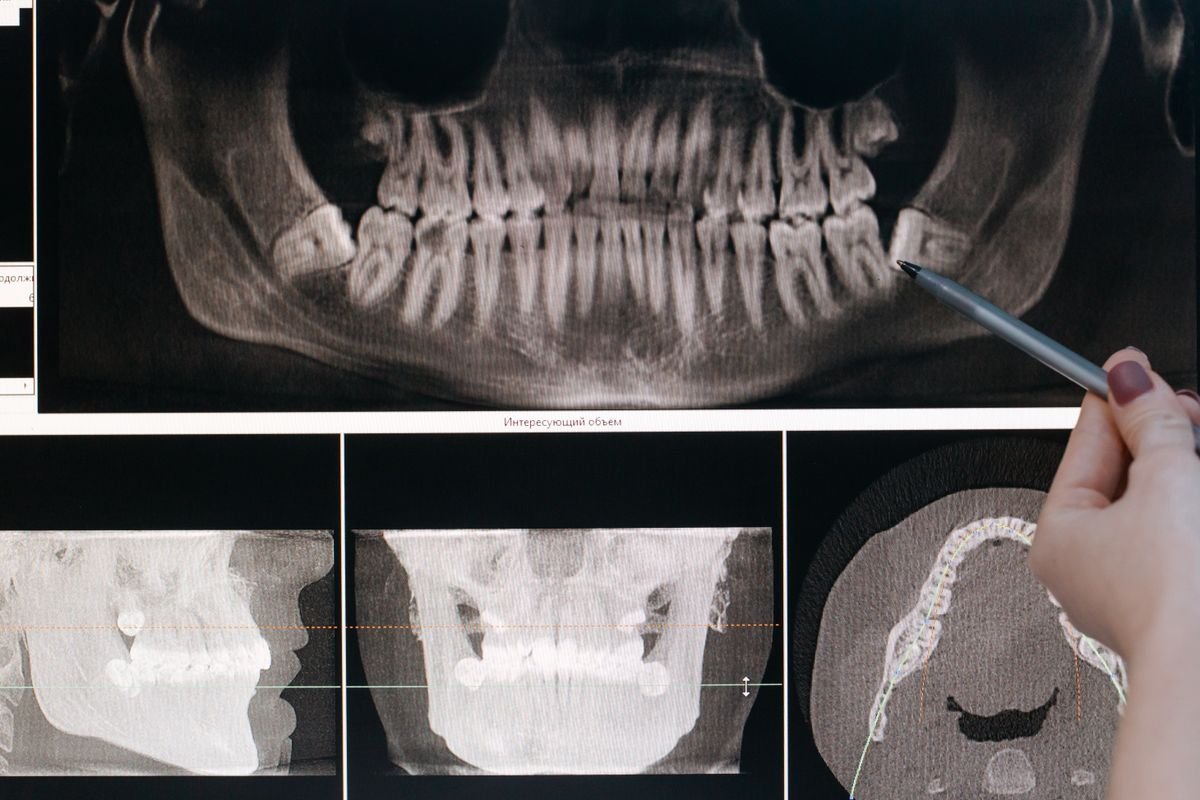
A dentist or periodontist (a dental specialist in gum disease) diagnoses periodontitis through a combination of a visual exam, gentle probing to measure pocket depth around each tooth, and dental X-rays to check for bone loss. Pocket depths of 4 millimeters or more, combined with measurable loss of the tissue attachment around a tooth, are generally what separates periodontitis from simple gingivitis. This is why a routine cleaning appointment that includes periodontal charting — not just a visual look — is important for catching periodontitis in its earlier, more manageable stages.
Treatment Options
- Scaling and root planing (deep cleaning). A non-surgical procedure that removes plaque and tartar from below the gumline and smooths the tooth root to help gums reattach, usually the first-line treatment for most cases.
- Antibiotic therapy. Sometimes prescribed alongside a deep cleaning, either as a topical gel placed directly in the gum pockets or, in some cases, an oral antibiotic such as doxycycline at a low, anti-inflammatory dose rather than a standard infection-fighting dose.
- Ongoing periodontal maintenance. More frequent professional cleanings, often every three to four months instead of the typical twice a year, to keep pocket depths from worsening again.
- Surgical treatment. For more advanced cases, options include flap surgery to clean deeper pockets, bone grafting to help rebuild lost bone, or guided tissue regeneration.
- Managing contributing conditions. Such as improving blood sugar control in diabetes and quitting smoking, both of which measurably improve how well periodontal treatment works.
What to Expect at a Periodontal Evaluation
If your dentist suspects periodontitis, the evaluation typically goes beyond a standard cleaning. A periodontal probe — a thin, blunt instrument marked in millimeters — is gently used to measure the depth of the “pocket” between the gum and tooth at several points around every tooth. Healthy pockets generally measure 1 to 3 millimeters; deeper pockets suggest attachment loss consistent with periodontitis. X-rays are used to check the level of the bone supporting each tooth, since bone loss doesn’t show up on a simple visual exam. Based on these measurements, your dentist or a periodontist will classify the severity as mild, moderate, or severe, which guides how aggressive treatment needs to be. This full evaluation is sometimes called periodontal charting, and it’s reasonable to ask whether it’s part of your regular checkup, since a quick visual look alone can miss periodontitis that’s already fairly advanced.
Living With Periodontitis Long-Term
Because the bone and tissue loss from periodontitis generally isn’t fully reversible, the long-term goal of treatment is stabilization rather than a cure: stopping further bone loss, keeping pocket depths from increasing, and preserving as many natural teeth as possible for as long as possible. This typically means committing to a more frequent professional maintenance schedule than someone without a periodontitis history, along with consistent daily brushing and flossing at home. For some people, especially those with more advanced bone loss, a dentist may also recommend a night guard if grinding is contributing to tooth mobility, or coordination with a physician if diabetes or another contributing condition isn’t well controlled. Staying engaged with this long-term maintenance plan, rather than only returning to the dentist when something hurts, is what gives most people the best chance of keeping their natural teeth well into older age.
Preventing Periodontitis
Brushing twice daily, flossing once a day, and seeing a dentist for regular cleanings and periodontal checks remain the foundation of prevention. For adults with risk factors like smoking or diabetes, more frequent dental visits may be worth discussing with your dentist, since catching gum inflammation at the gingivitis stage — while it’s still reversible — is far easier than treating established periodontitis later. If you’ve noticed bleeding gums, persistent bad breath, or gums that seem to be pulling away from your teeth, these are worth mentioning at your next dental visit even if they seem minor.
When to See a Dentist
See a dentist promptly if you notice gums that bleed regularly, persistent bad breath that doesn’t improve with brushing, teeth that feel loose or have shifted position, pus around the gumline, or pain when chewing. Even without any of these symptoms, adults over 50 — especially those who smoke or have diabetes — benefit from regular periodontal exams, since periodontitis can progress with few obvious symptoms until it’s fairly advanced.
Frequently Asked Questions
Can periodontitis be reversed?
The bone and tissue loss caused by periodontitis generally can’t be fully reversed, but treatment can stop it from progressing further and, in some cases, help regain some lost attachment. This is different from gingivitis, the earlier stage, which is typically fully reversible with good oral hygiene and a professional cleaning.
Is periodontitis the same as gum disease?
Periodontitis is a specific, more advanced stage of gum disease. “Gum disease” is a broader term that includes gingivitis (early, reversible gum inflammation) as well as periodontitis (the stage where bone and supporting tissue are affected).
Can periodontitis cause tooth loss even without pain?
Yes. Periodontitis often progresses gradually and without significant pain until teeth become loose, which is exactly why it’s a leading cause of tooth loss in older adults and why regular dental checkups matter even when nothing feels wrong.
Does treating diabetes help treat periodontitis?
Better blood sugar control is associated with better periodontal treatment outcomes, since uncontrolled diabetes can make gum inflammation harder to resolve. The relationship works in both directions, so managing one condition tends to help the other.
How often should I see a dentist if I have risk factors for periodontitis?
This varies by individual, but adults with diabetes, a smoking history, or existing periodontitis are often advised to have cleanings every three to four months rather than the standard twice-yearly schedule. Ask your dentist what interval makes sense for your specific situation.
This article is for general educational purposes and isn’t a substitute for personalized dental or medical advice. See a dentist for an evaluation of your own gum health.
Periodontitis is far more common after 50 than most people realize, and because it often develops with few obvious symptoms, regular dental exams that include periodontal charting are one of the most effective ways to catch it early. The bone and tissue damage it causes generally can’t be undone, but with consistent treatment, including deep cleanings and, when needed, management of contributing conditions like smoking or diabetes, further progression can usually be controlled.
Related Reading
Want to catch gum problems earlier? See Early Gum Disease: Warning Signs.
Noticing blood when you brush? See Why Are My Gums Bleeding When I Brush?.
Dealing with gum recession specifically? See How to Stop Receding Gums.
Prescribed an antibiotic for a dental infection? See Doxycycline Side Effects.
Recovering from a tooth extraction? See Dry Socket Symptoms.
Wondering about swollen gums specifically? See Swollen Gums: Common Causes and When to See a Dentist.